Marsha Schuld
Bronze, stitchery (embroidery), glass (scroll down this page). Click the link to check out her printmaking, watercolours, and drawing
“I am a fierce proponent of the preservation of hand-craft and hand made. I feel the world is a richer place if we honour skills built over a lifetime by individuals devoted to their preservation.”
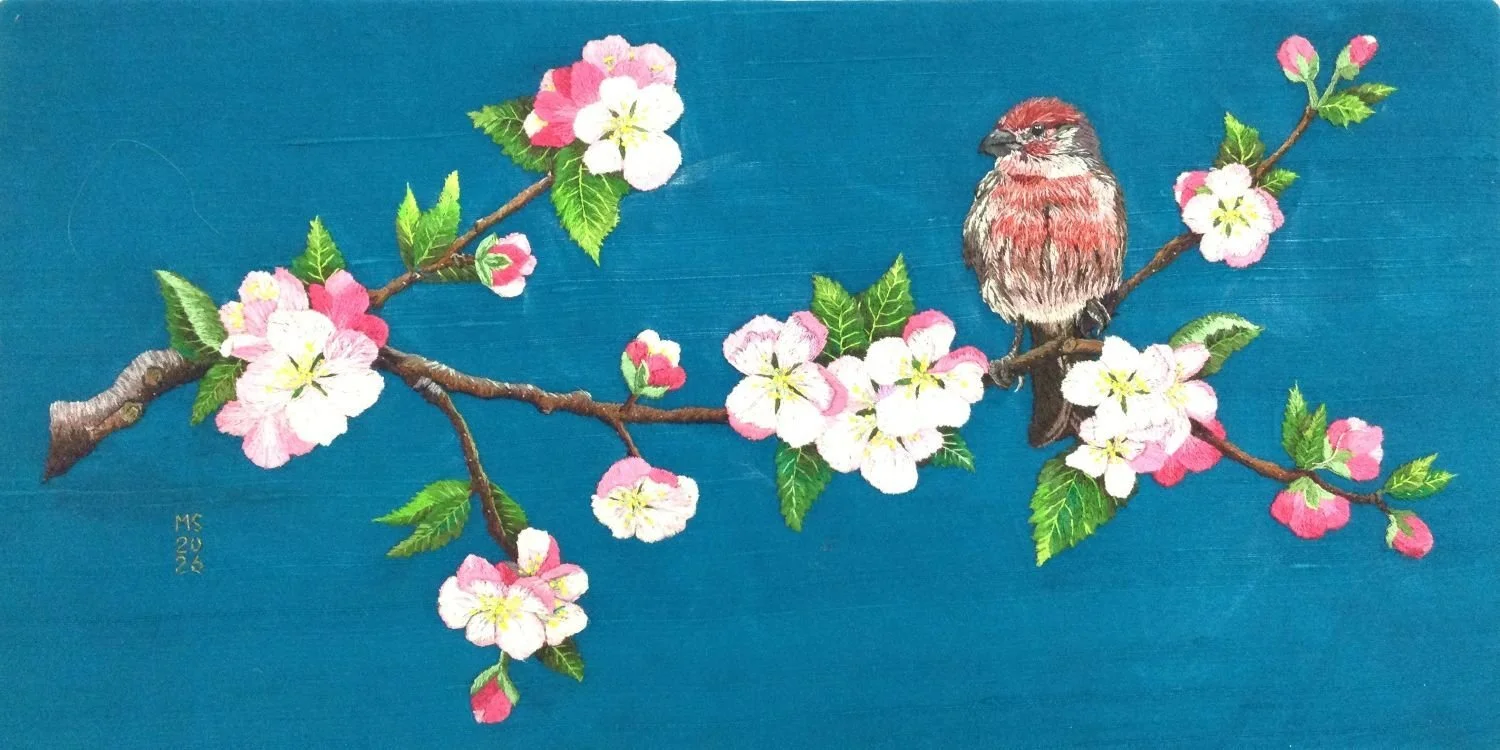
House Finch And Apple Blossoms, 2026, hand embroidery, silk-shading, cotton thread on silk dupioni ground, 8.25 x 16.25 inches (20.5 x 42 cm), framed, $3300 Cdn.
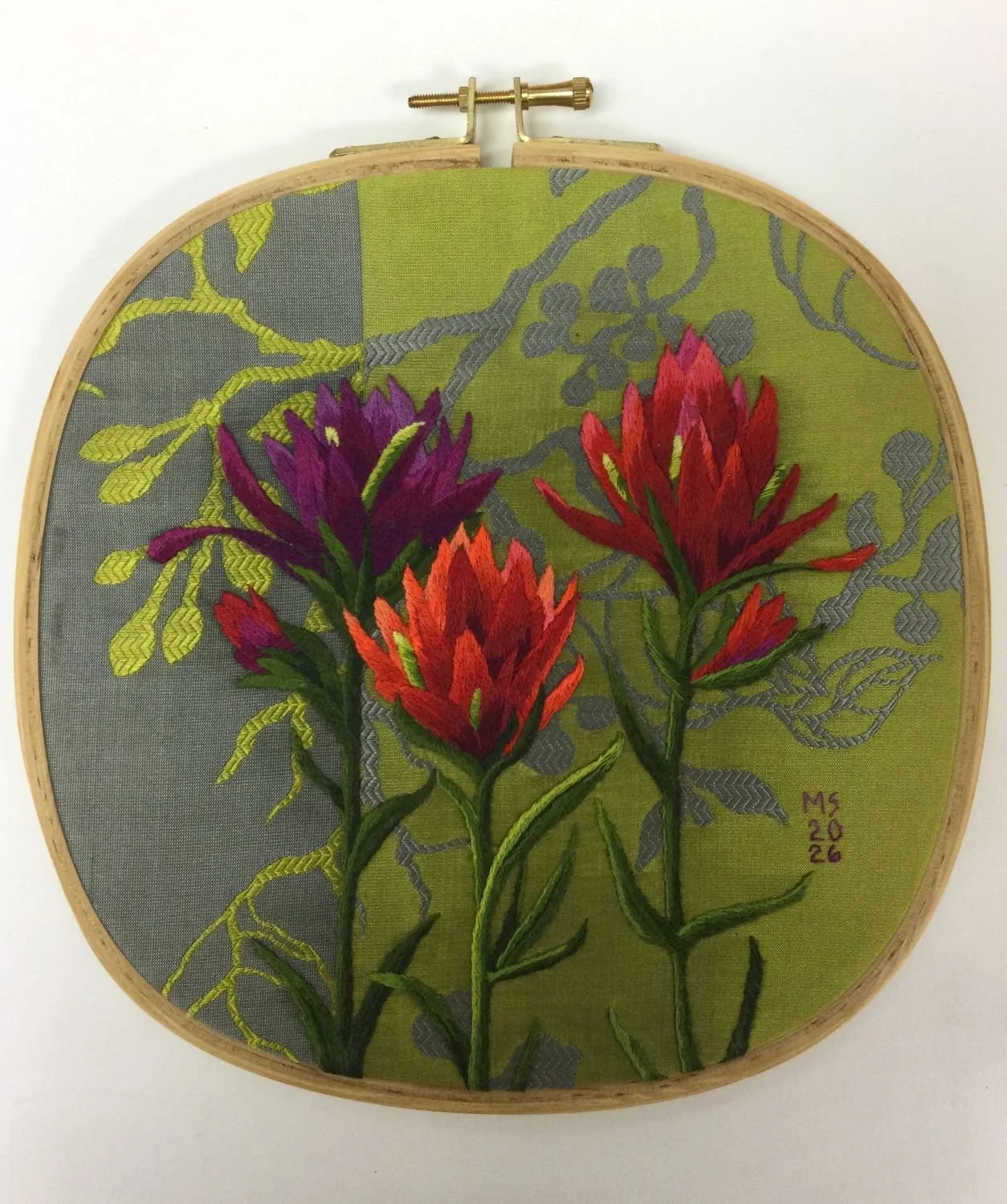
Indian Paintbrush (#26.6.6), 2026, hand embroidery, silk shading on silk ground, framed in oak hoop, 8.5 x 8.25 x .25 inches (21.5 x 21 x .75 cm), $1400 Cdn.
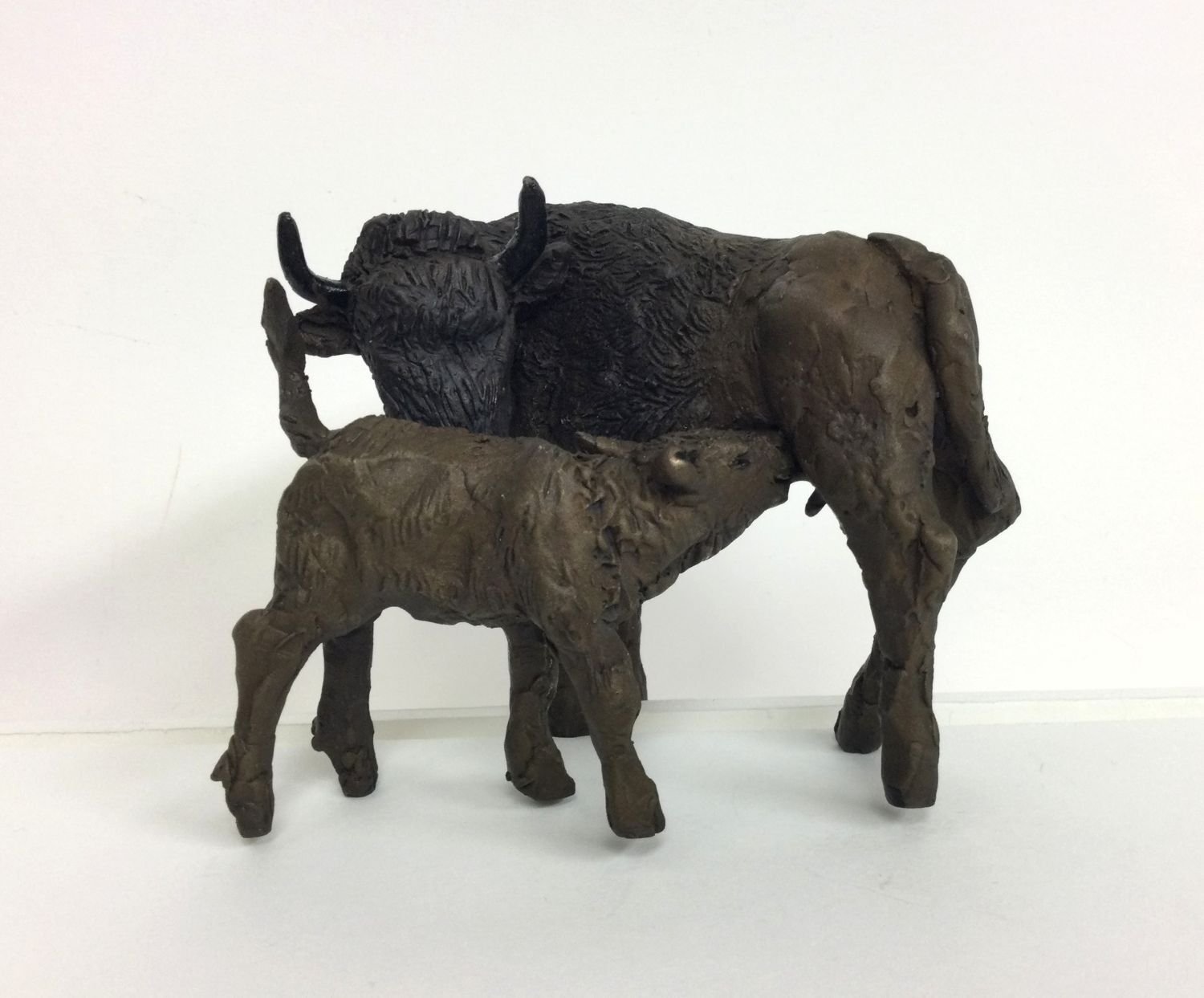
Mama and Me (bison with calf, unique), 2026, patinated bronze, 3.75 x 4 x 2.75 inches (9.5 x 10 x 7 cm), $700 Cdn.
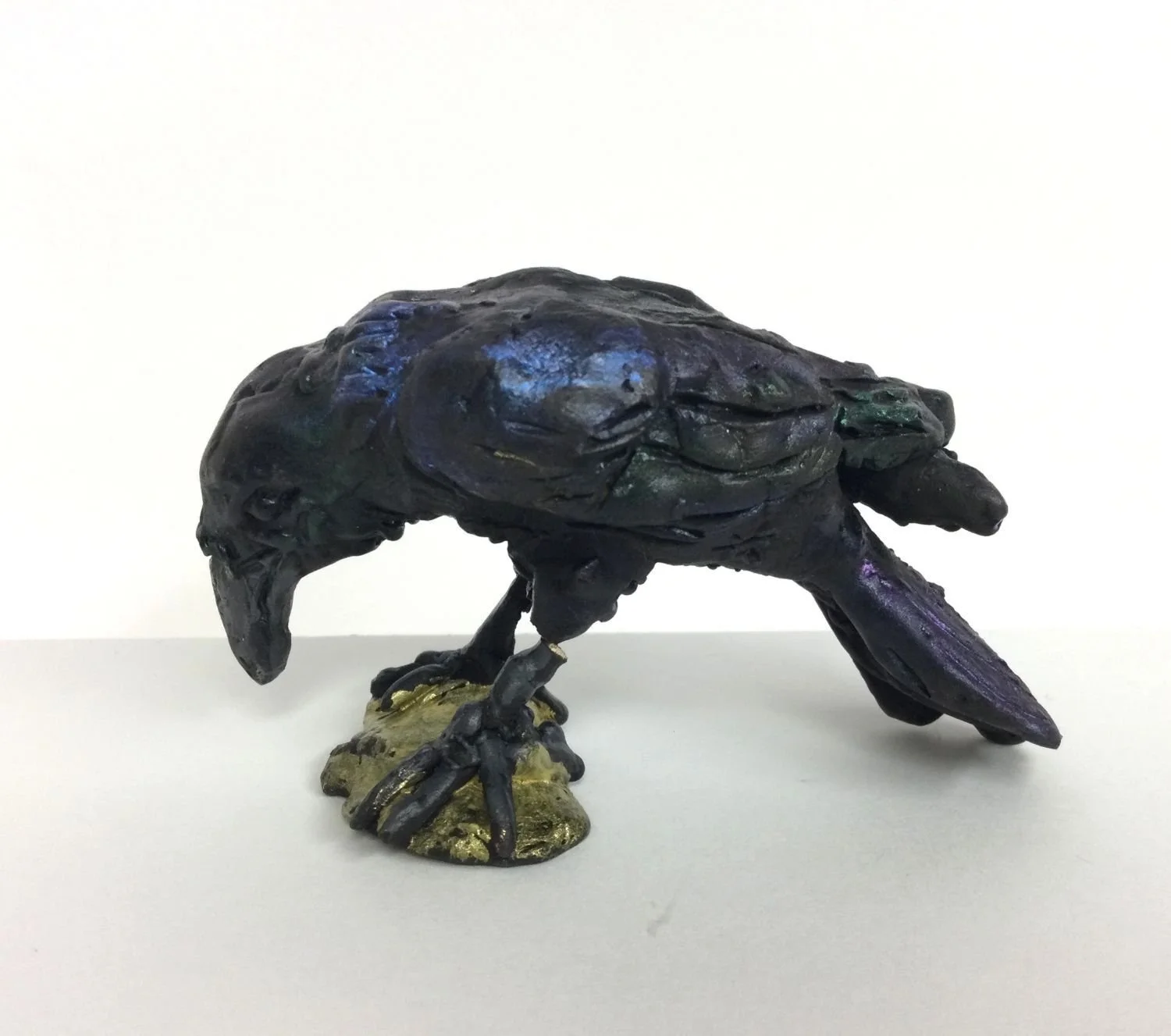
Reverence the Raven (#26.6.5, unique), 2026, patinated bronze, 1.75 x 3.75 x 1.5 inches (4.5 x 7 x 3.75 cm), $350 Cdn
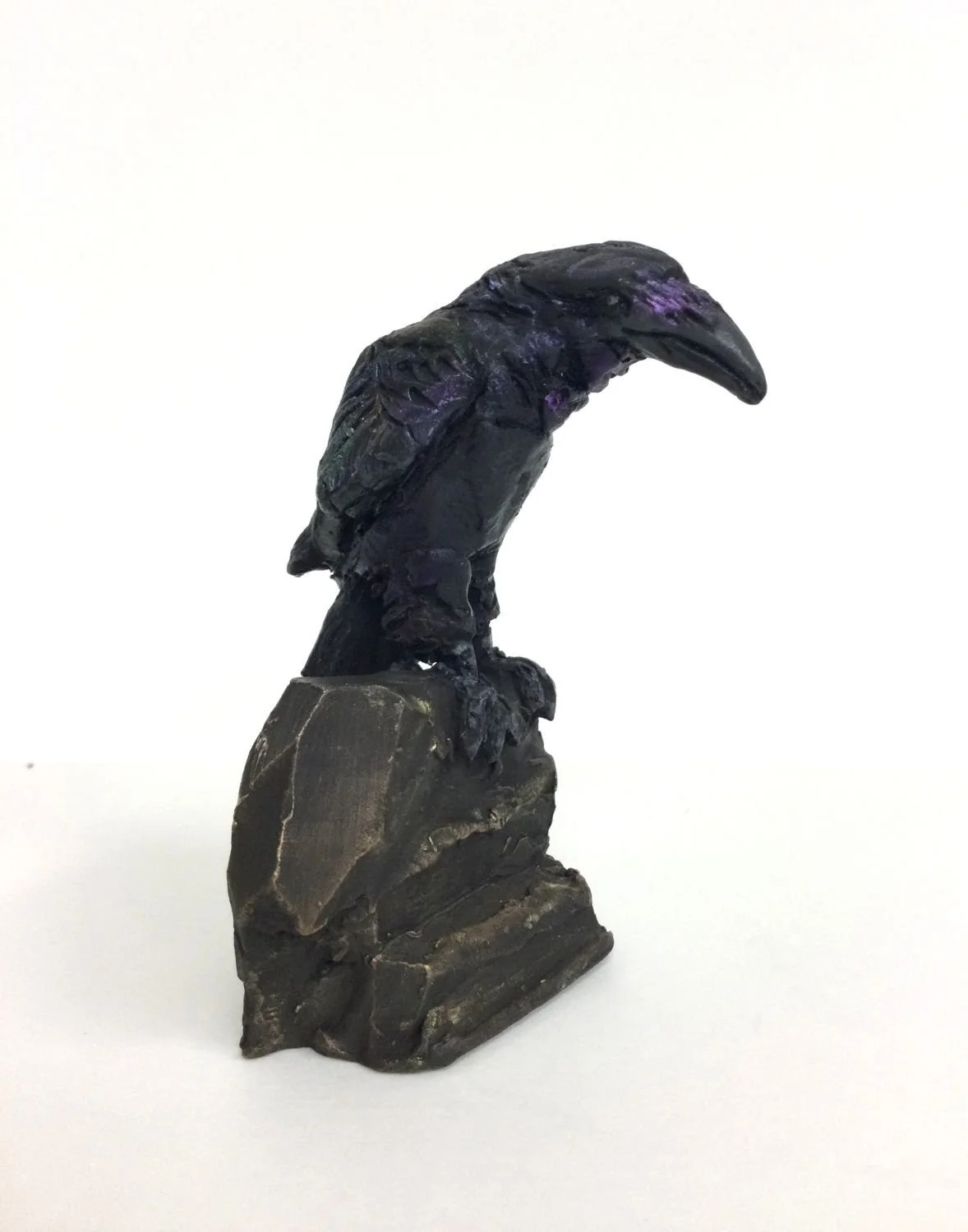
Reflection the Raven (#26.6.4), unique, 2026, patinated bronze, 3.5 x 2 x 2.5 inches (9 x 5 x 6.25 cm), $350 Cdn.
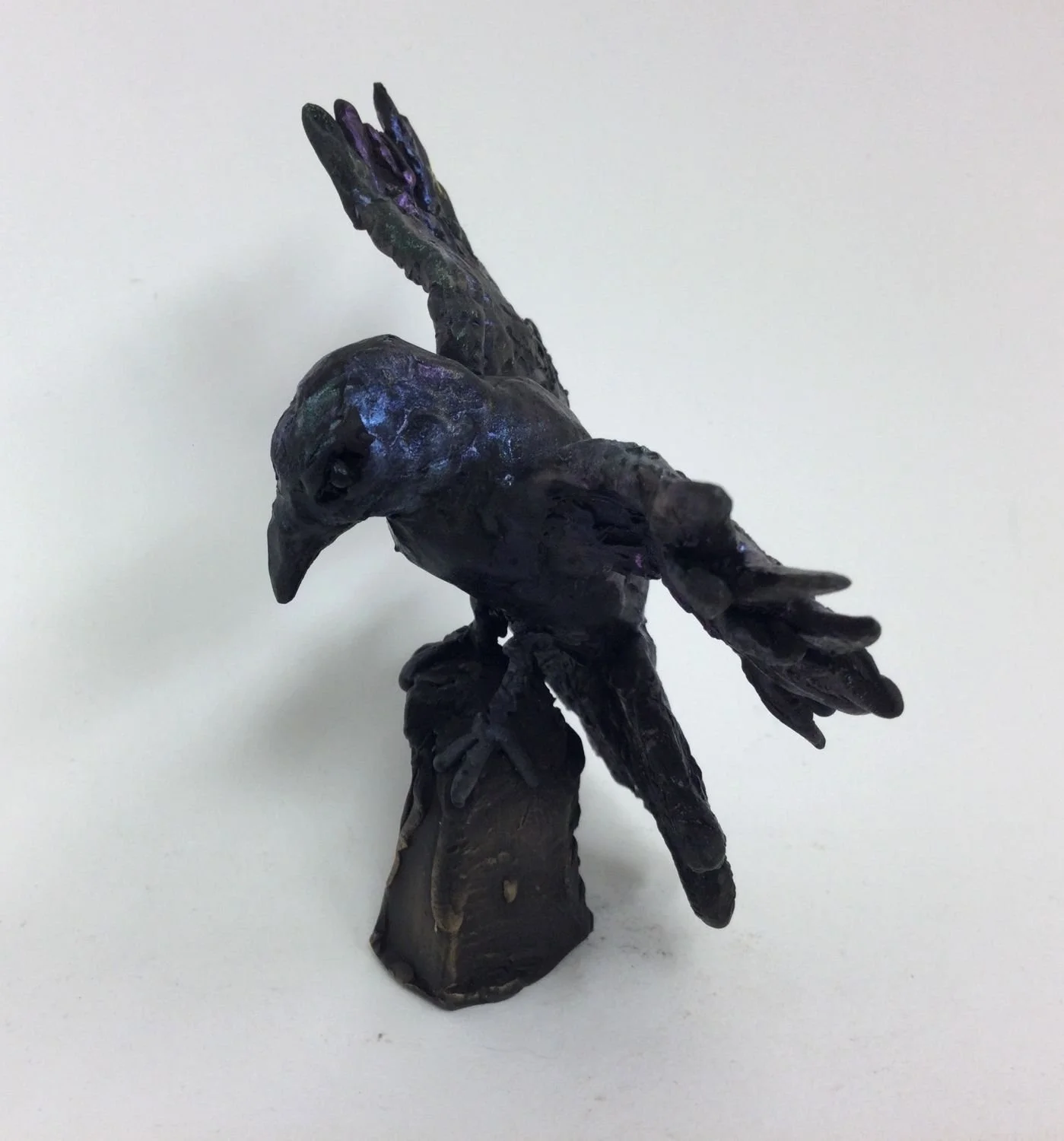
Rex the Raven (#25.6.3), unique, 2026, patinated bronze, 4 x 4.75 x 2 inches (10 x 12 x 5 cm), $395 Cdn.
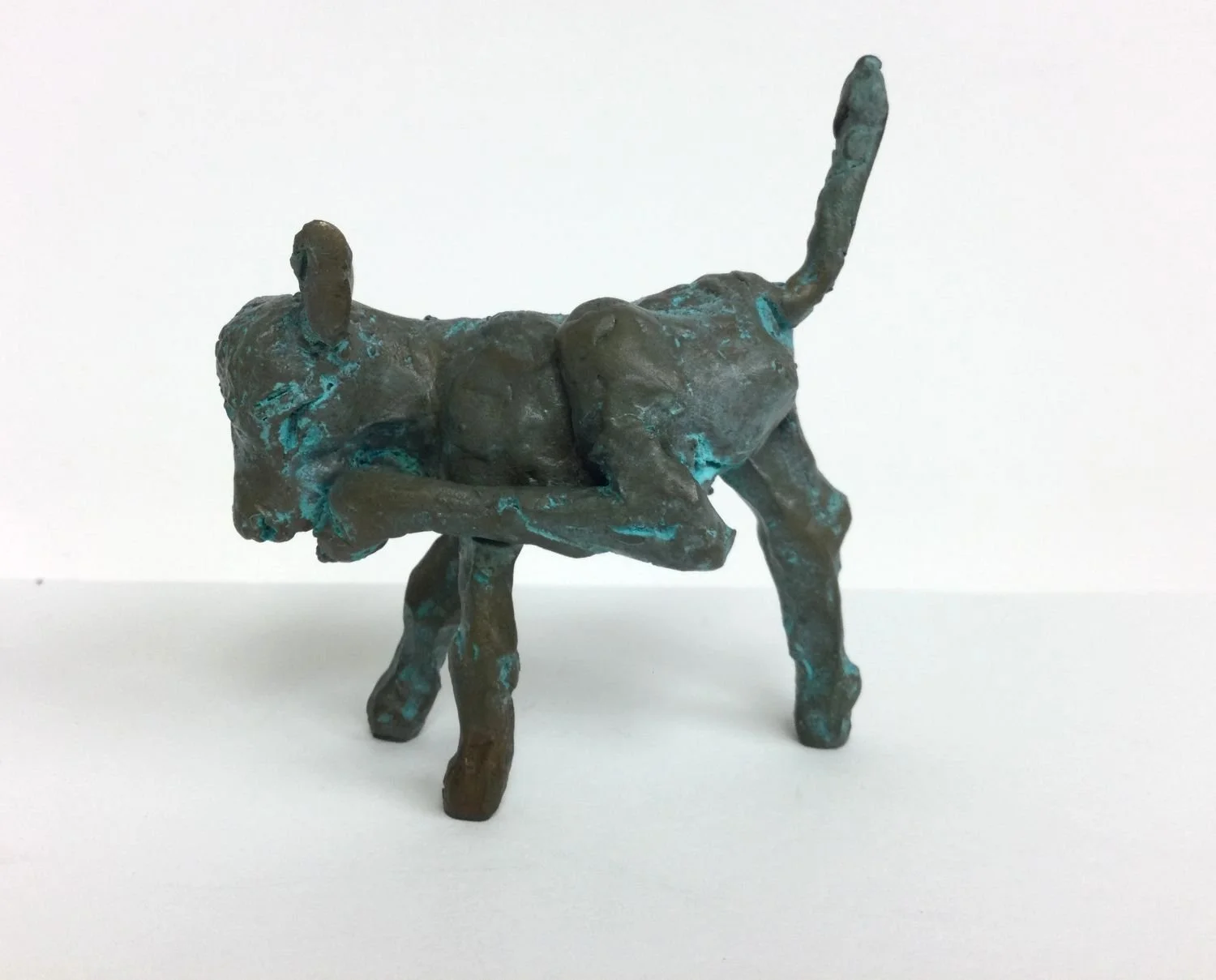
An Itch (baby calf, #25.6.2), unique, 2026, patinated bronze, 3.5 x 3.25 x 1.5 inches (9 x 8.5 x 3.75 cm), $350 Cdn.
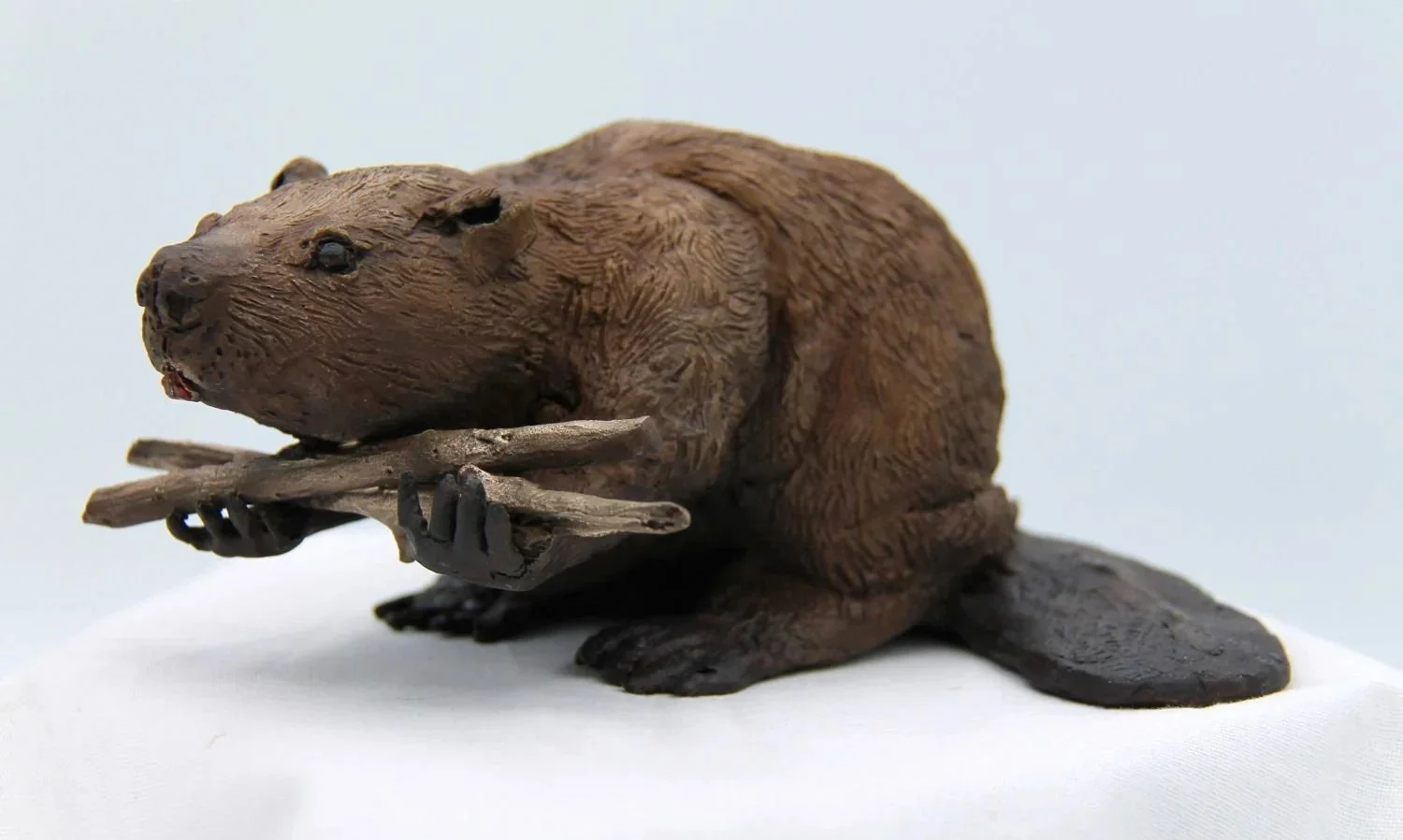
William (Beaver) Carrying Wood, 2024, ed. 1/9, patinated bronze, 3.5 x 7 x 6" (9 x 17.5 x 15 cm), $2050 Cdn.
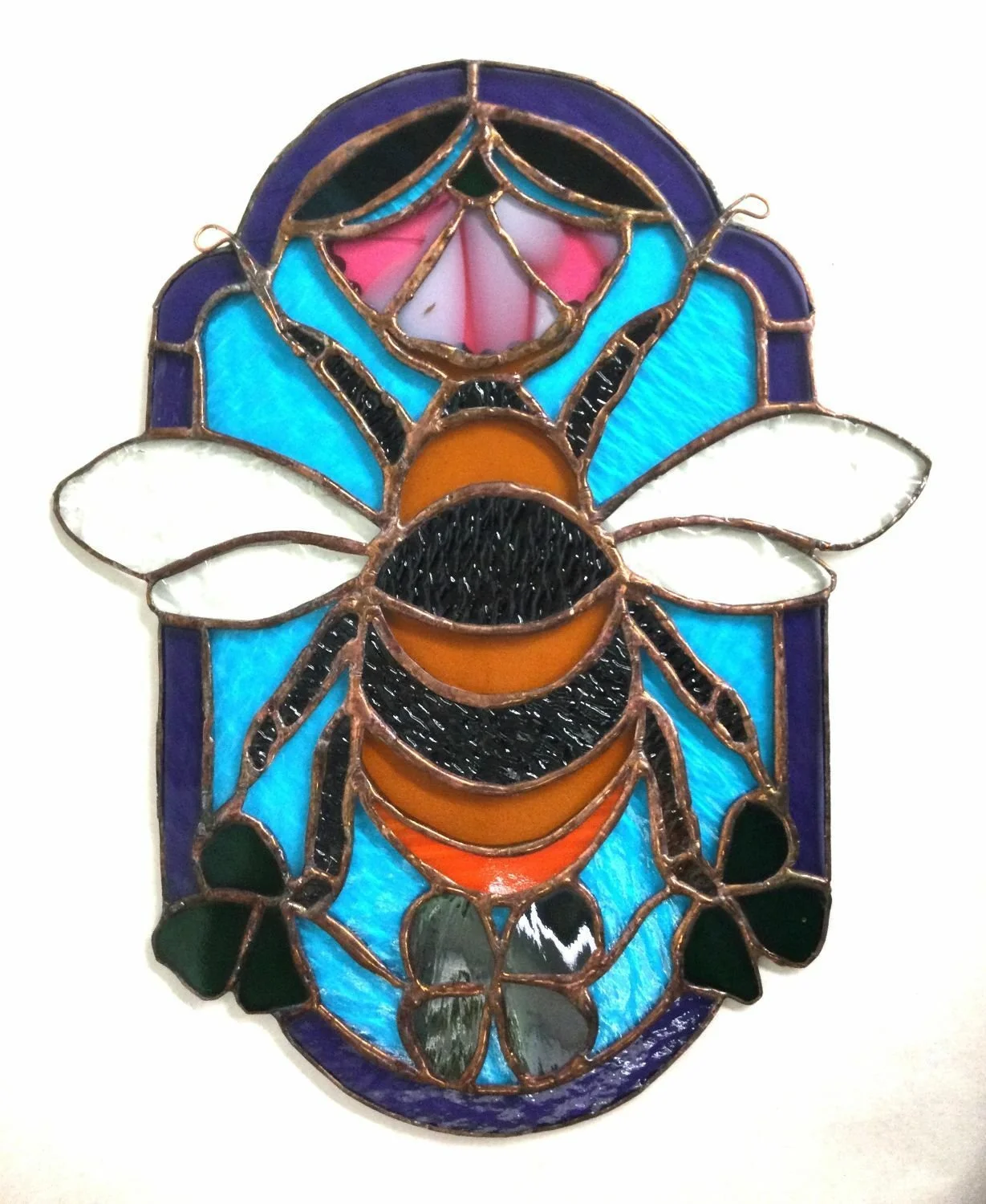
Bumblebee In Clover (#25.12.3), 2025, stained glass with copper foil panel, 12 x 9.75 inches (30.5 x 25 cm), $585 Cdn.

Lidded Fox Box, hand painted, stained glass box, 2.75 x 8 x 5.25 inches (7 x 20.5 x 13.5 cm), $1500 Cdn.

Meadowlark (Spring Song), 2023, fused glass, 3 x 4" (7.75 x 10 cm), mounted and framed, $400 Cdn.

A Gaggle Of Geese, 2018, stained glass, etched glass, copperfoil panel, zinc frame, 16 x 28" (41 x 71cm), $2240 Cdn.

A Nag Of Magpies, 2019, stained glass, etched glass, copperfoil panel, zinc frame, 25 x 16" (63.5 x 41 cm), $2000 Cdn.

Bear At Sunrise, 2025, raised hand embroidery, cotton and metal threads, framed in oak hoop, 8 x 8" (20 x 20 cm), $1400 Cdn. ----- Technique: Silk Shading - The Bear At Sunrise uses a modest 15 or so colours of thread.

Fantasy Finch, 2019, 3-dimensional hand embroidery, metal work, bead work, silk threads, glass beads, metal threads on silk and silk velvet, 6 x 7 x 4" (15 x 18 x 10 cm), $1200 Cdn.

Pounce (Canadian Lynx), 2025, ed. 1/5, patinated bronze, 5.5 x 7.5 x 4.25" (14 x 19 x 11 cm), $4100 Cdn.

The Sentinel (Cougar), 2025, ed. 1/5, patinated bronze, 8.5 x 10 x 6" (22 x 25.5 x 15 cm), $4100 Cdn.
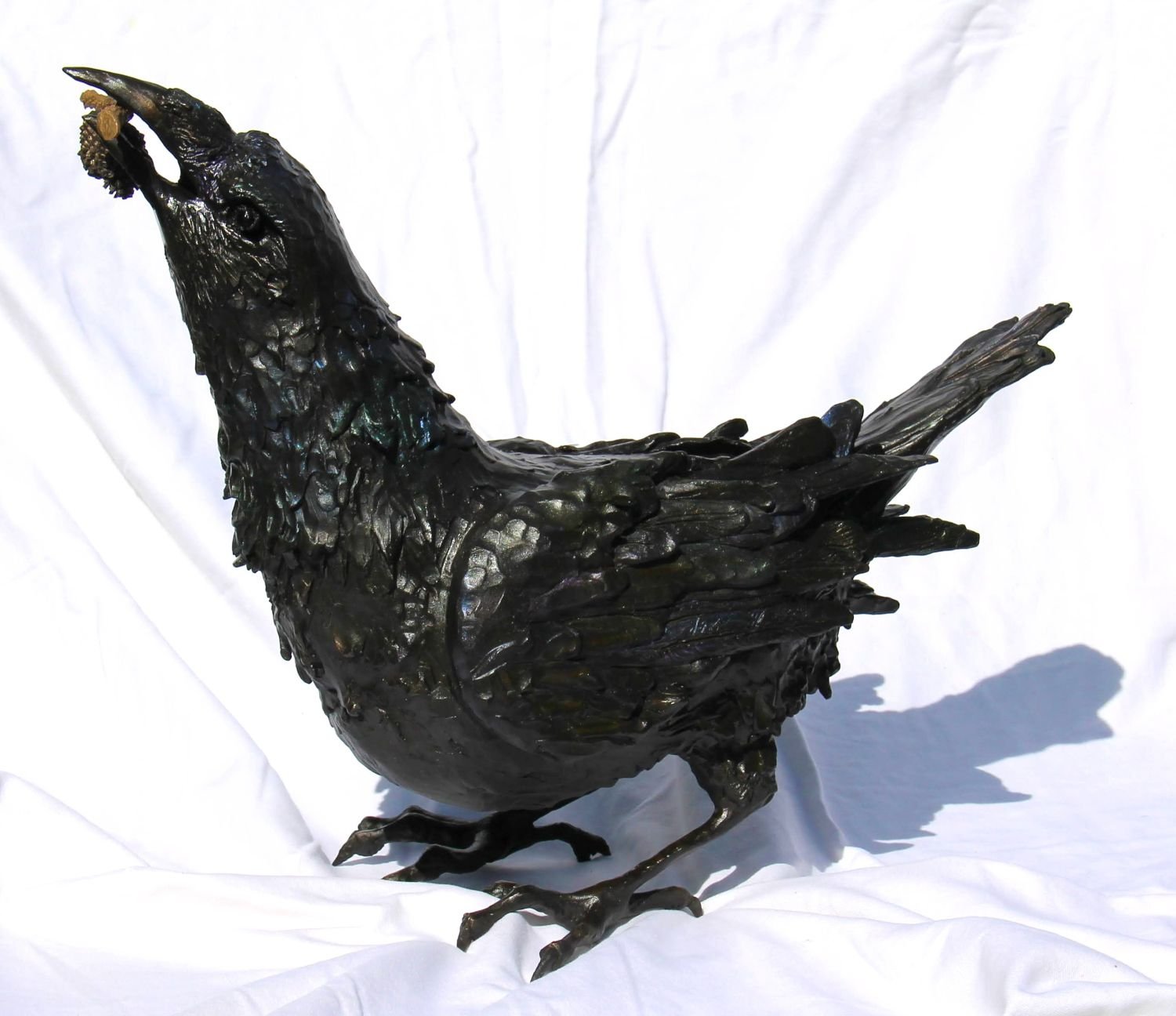
Edgar And The Pinecones, 2020, ed. 3/3, patinated bronze 16 x 22 x 7" (41 x 56 x 18 cm), $15,500 Cdn
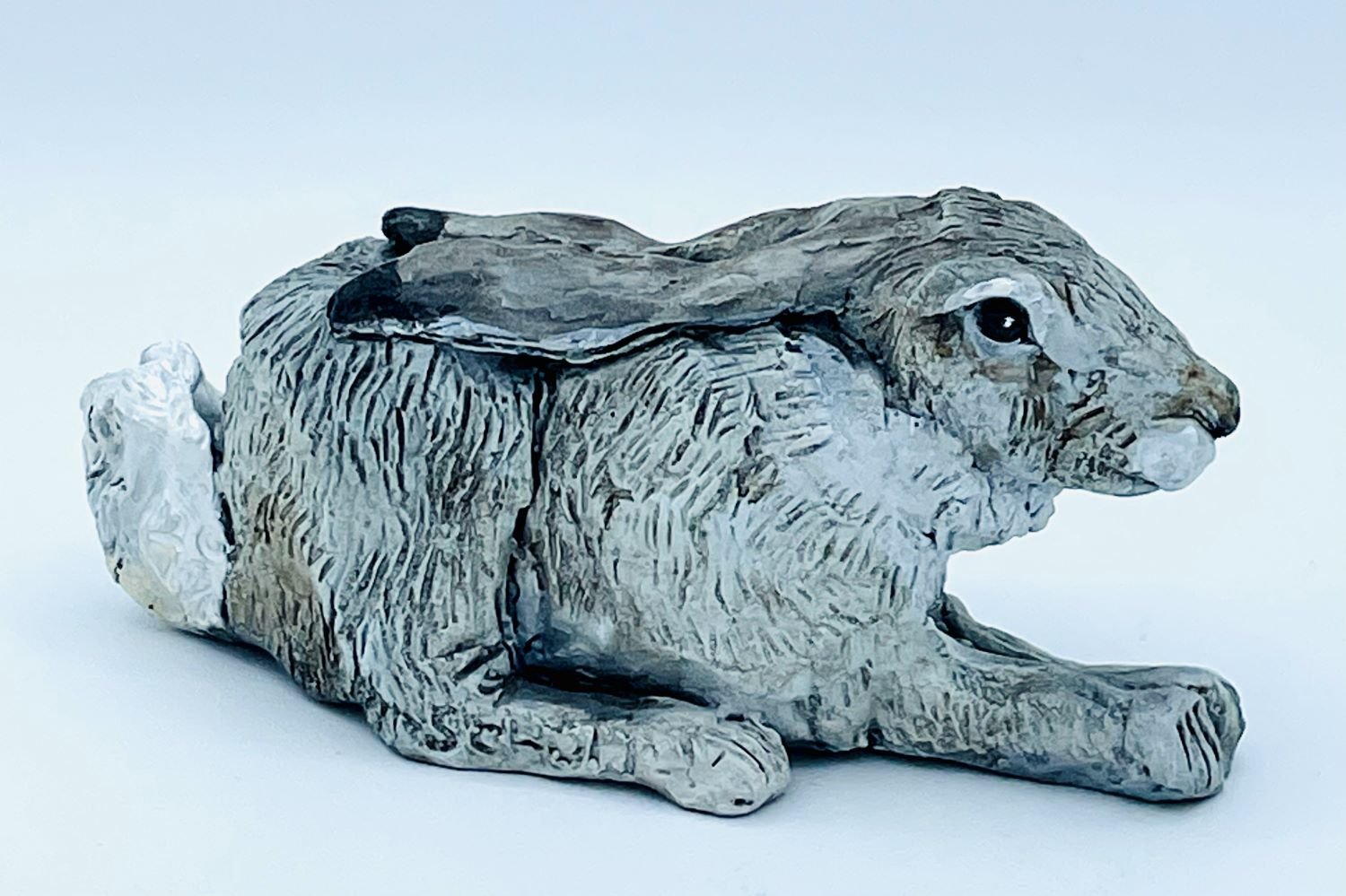
Horace The Hare, 2024, ed. 3/20, patinated bronze, 2 x 2 x 4.25 inches (5 x 5 x 11 cm), $525 Cdn.
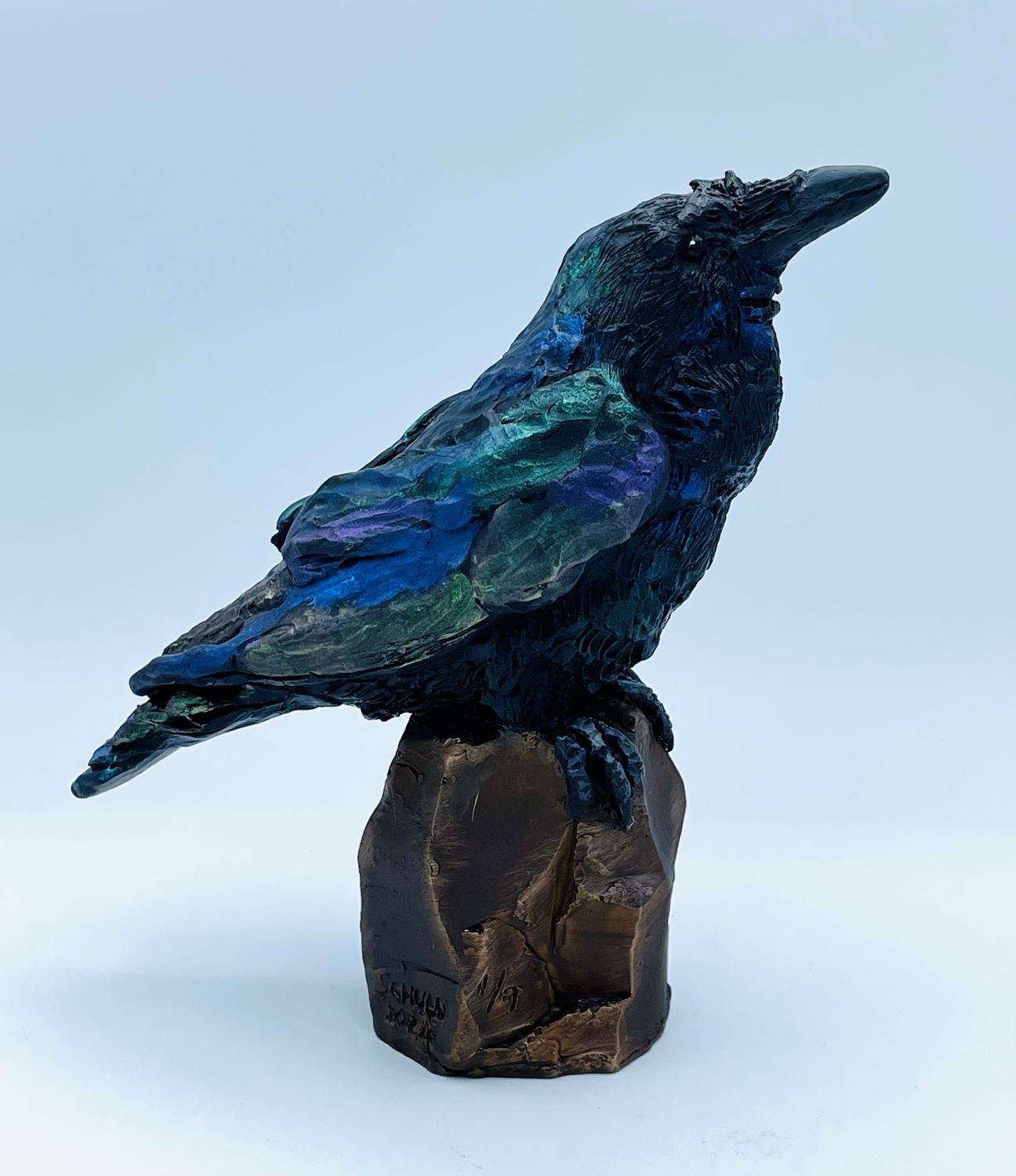
Revery (Raven), 2024, edition 3/9, patinated bronze, 7 x 6.25 x 2.5 inches (18 x 16 x 6.5 cm), $900 Cdn.
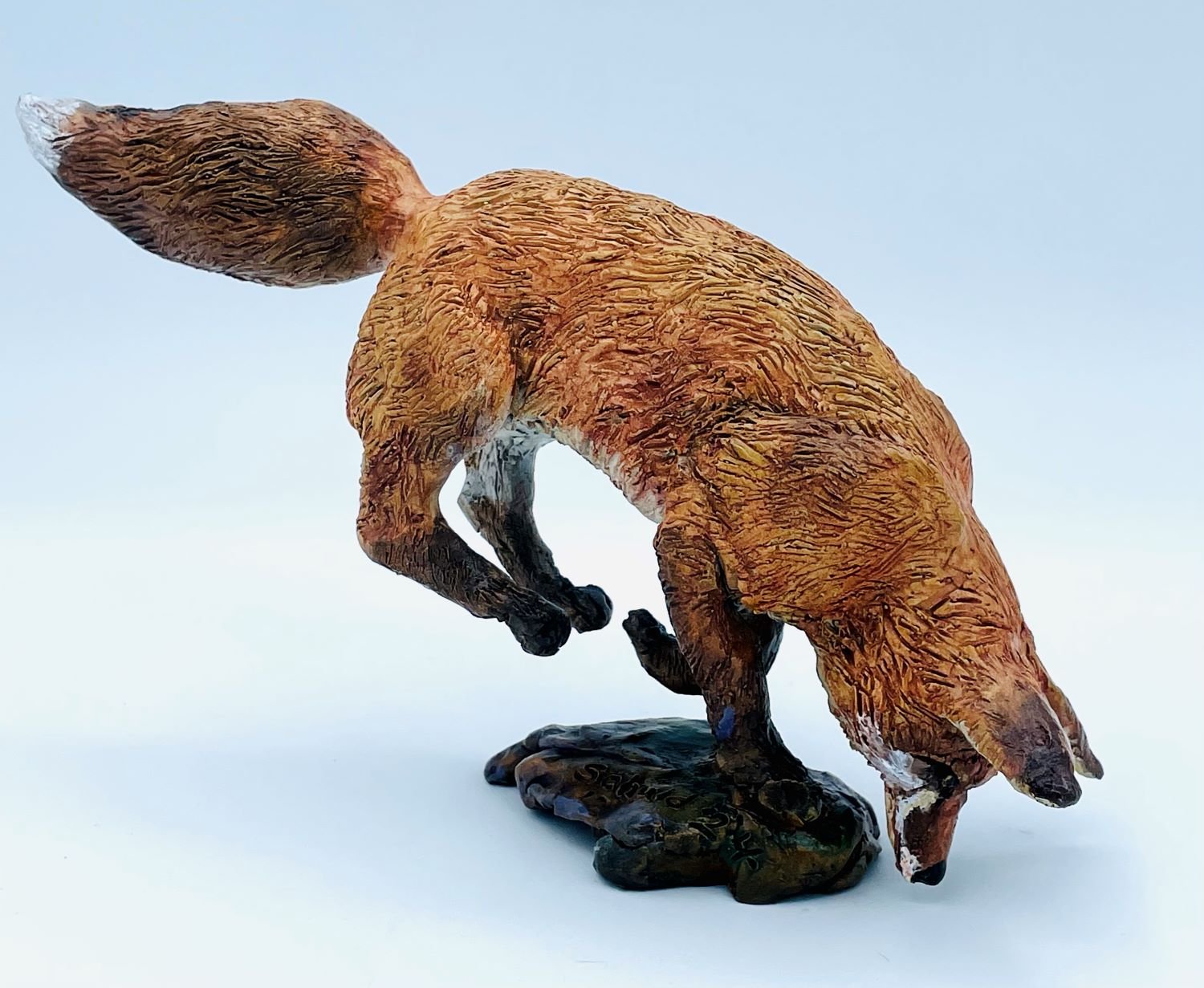
Flying Finian the Fox, 2024, ed. 1/9, patinated bronze, 4.75 x 2 x 9 inches (12 x 5 x 23 cm), $1525 Cdn.
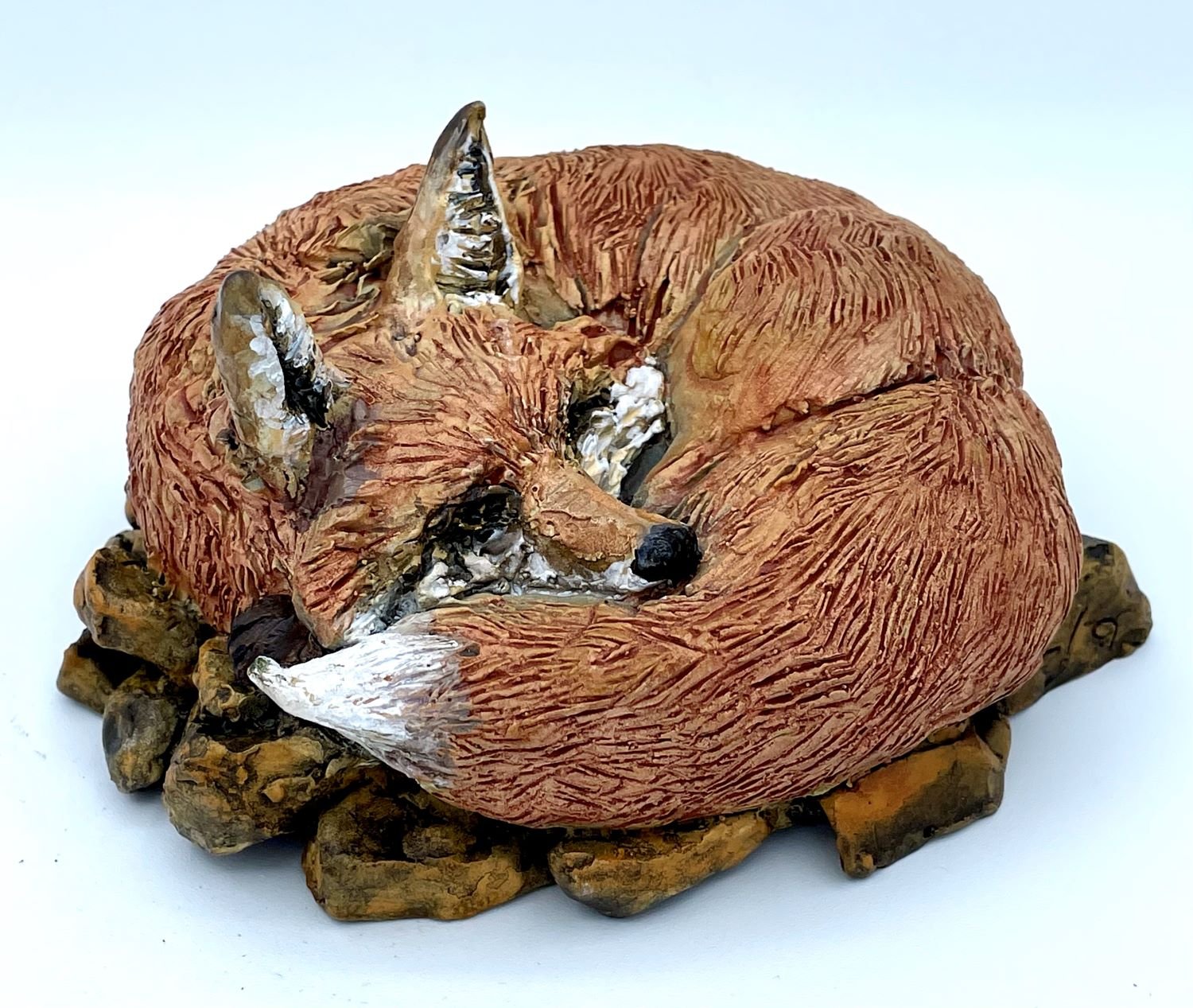
Fast Asleep Fabian The Fox, 2024, ed. 1/9, patinated bronze, 3 x 5.5 x 5.5 inches (7.5 x 14 x 14 cm), $1525 Cdn.
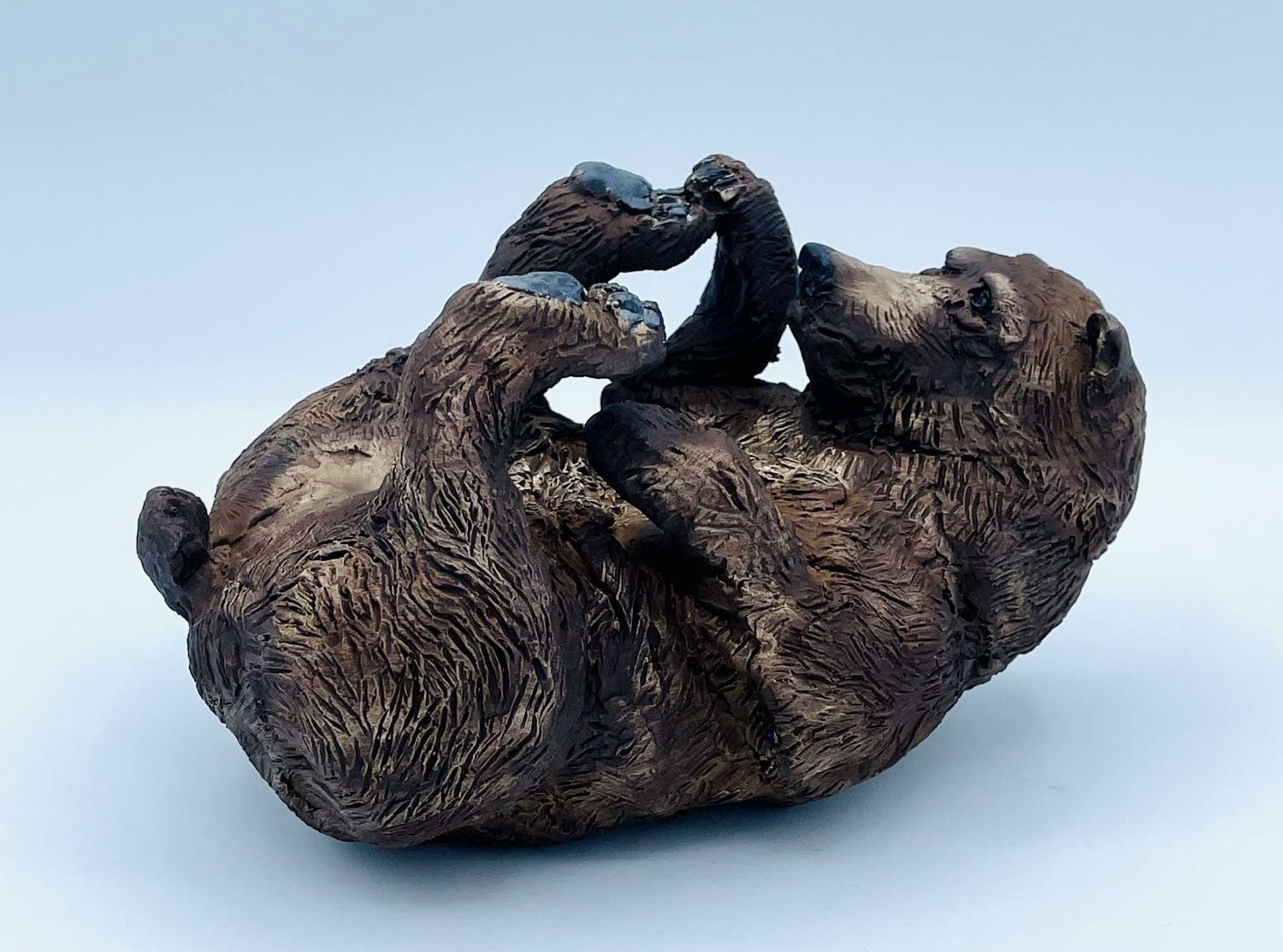
Beckett The Rolling Bear, 2024, ed. 4/9, patinated bronze, 3.5 x 3.5 x 6 inches (9 x 9 x 15 cm), $1000 Cdn.

How Now Red Cow Bookends (ochre), bronze, edition 2/5, 6 x 4 x 8 inches (15 x 10 x 20 cm), two pieces, $2480 Cdn.
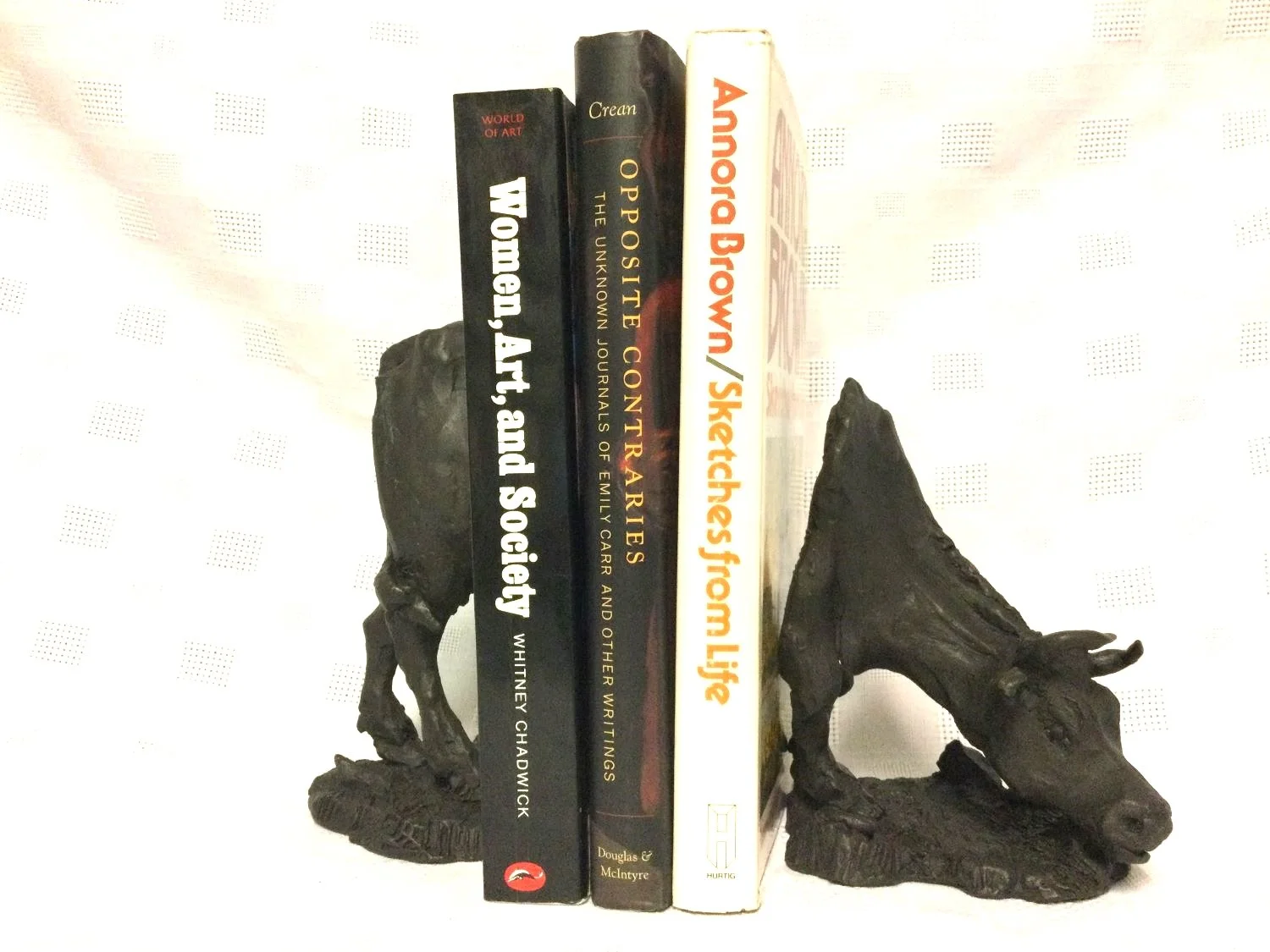
How Now Brown Cow Bookends (dark brown), bronze, edition 5/5, 6 x 4 x 8 inches (15 x 10 x 20 cm), two pieces, $2480 Cdn.
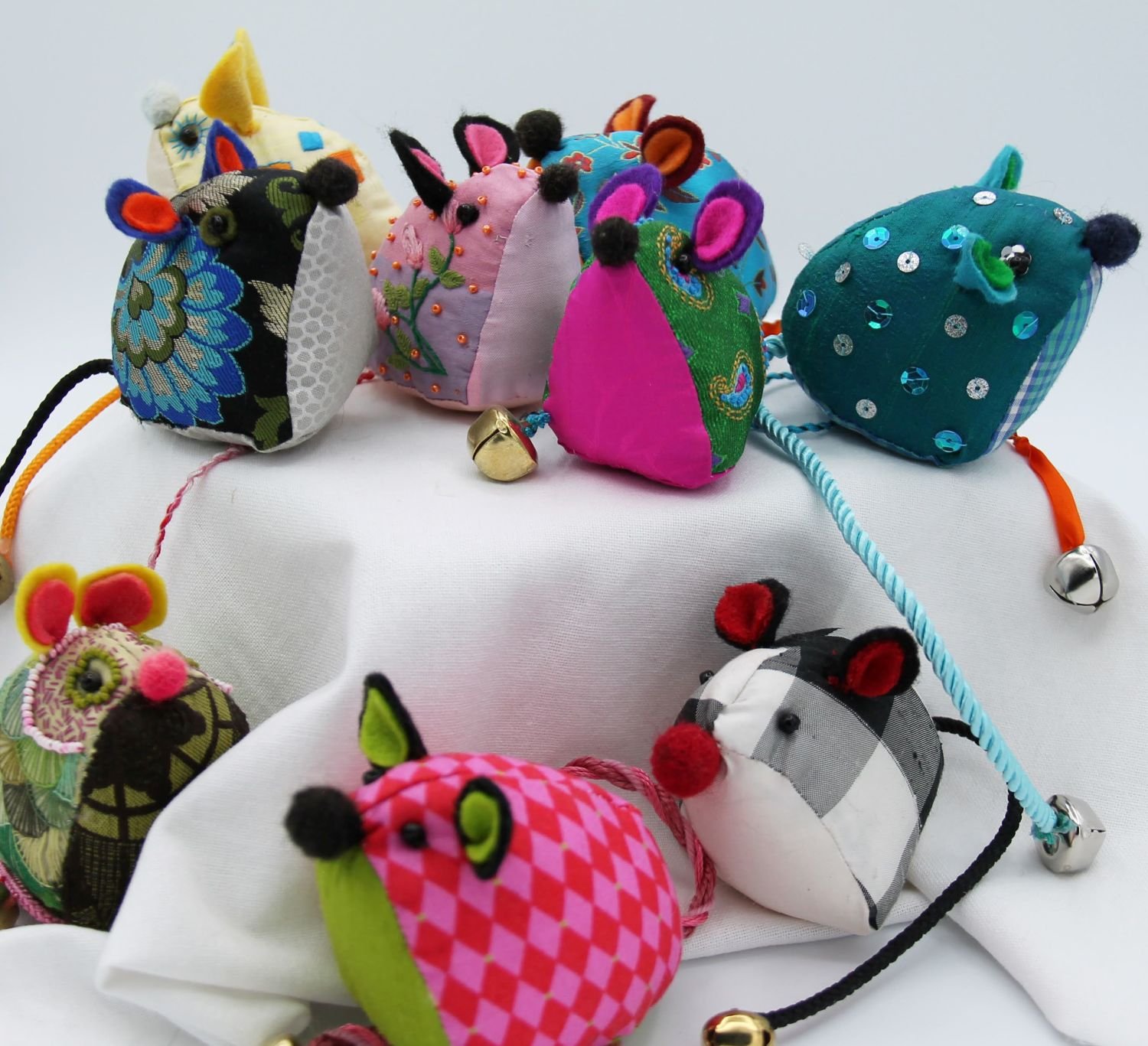
Embroidered Mowzes, 2024, hand embroidered with silk and cotton threads on silk, cotton ground, wool felt, brass bell, 3 x 7.5 x 2.25" (7.5 x 19 x 6 cm), $70 Cdn each.

Embroidered Birdies, 2024, hand embroidered with silk and cotton threads on silk, cotton ground, wool felt, 3 x 5 x 1.75" (8 x 13 x 4.5 cm), $70 Cdn each.
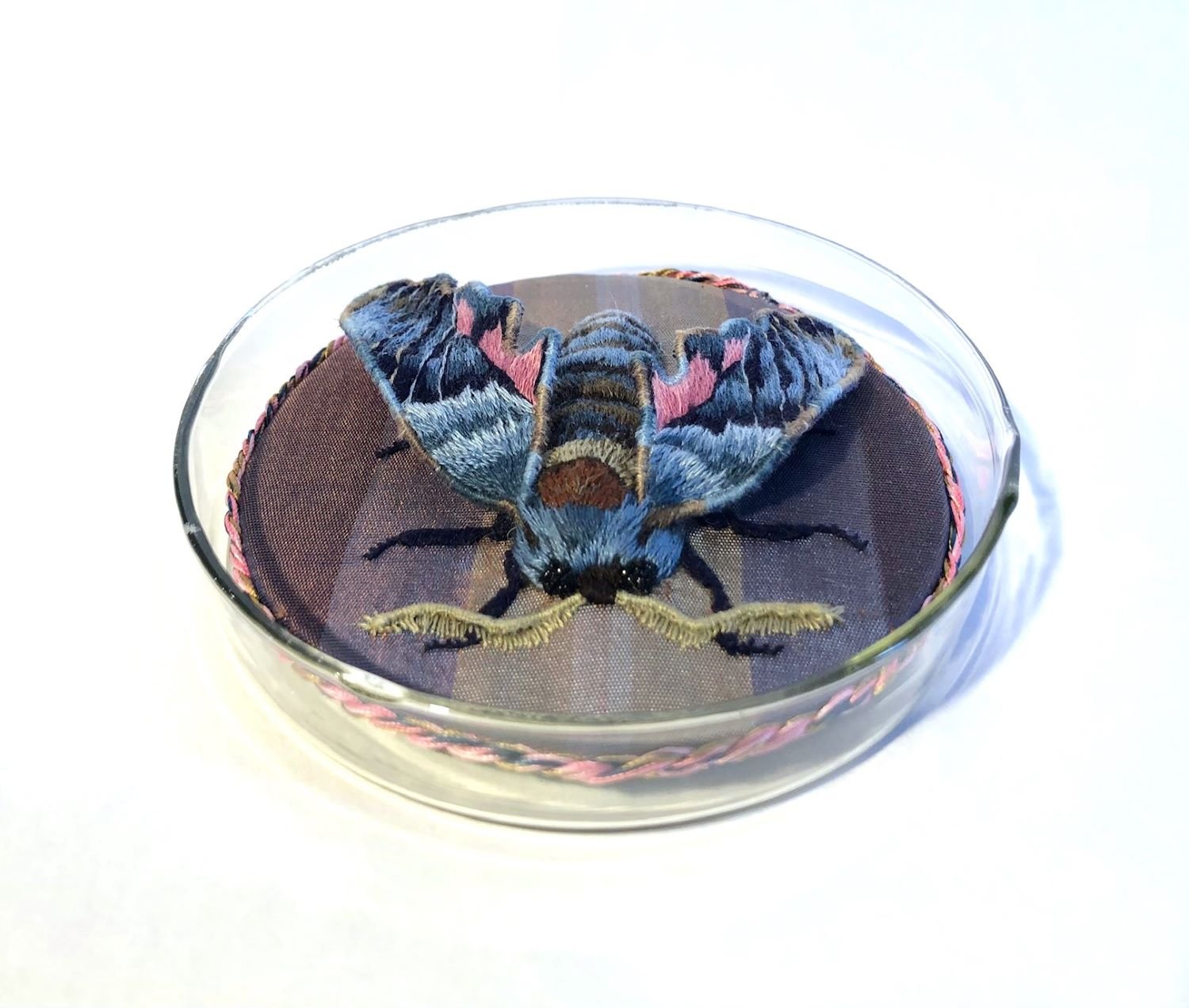
Specimen: Modest Sphinx Moth, 2023, hand embroidery 3D stump work, glass petri dish, 4 inches (10 cm) diameter, $475 Cdn. ----- Technique: Stumpwork - Stumpwork is a form of embroidery that has been made since the Middle Ages in England and elsewhere. It is characterized by being 3-dimensional – elements are raised above the surface to which they are attached. Embroidery can be done over varying supports such as small pieces of wood, wire and various kinds of padding. Generally a wide variety of threads and stitches are used to create different textures and effects. In the case of the Modest Sphinx moth – the body was stitched on the ground fabric over heavy felt padding. The wings were stitched separately onto a fine silk gauze with fine wire supporting the wing edges. Once the stitching is complete it is carefully cut away from the gauze and then mounted with the wires to the body.
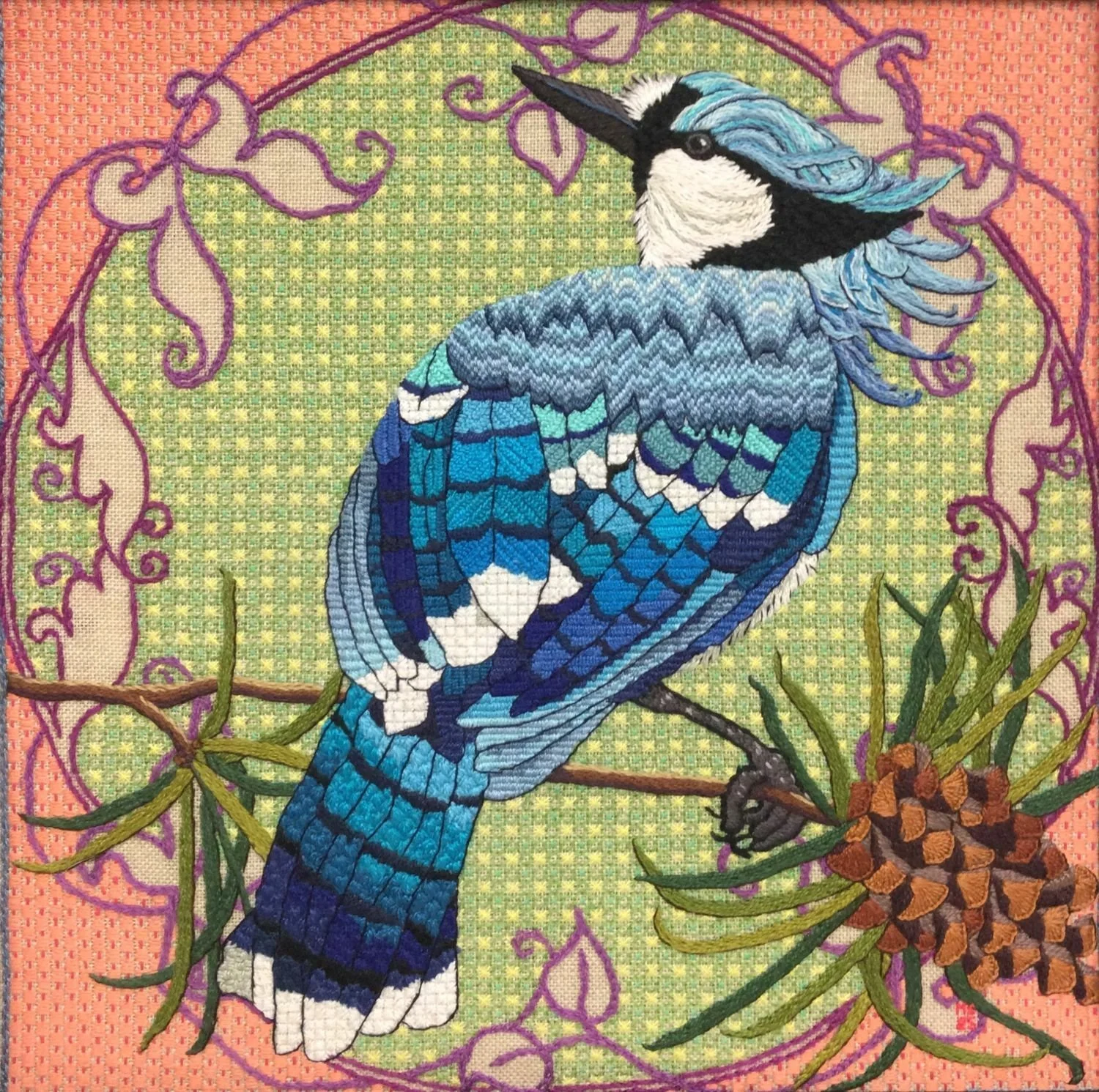
Blue Jay In The Pines (#25.12.1), 2025, hand embroidery (Colbert style) Perle cotton, cotton floss on pure linen, 10 x 10 inches (25.5 x 25.5 cm), framed, $2000 Cdn ----- Technique: modified Colbert Embroidery - Colbert embroidery is an exceptionally rare style of needlework developed in France during the reign of Louis XIV. Named after Jean-Baptiste Colbert (1619–1683), the finance minister tasked with reviving France’s struggling economy, this embroidery style emerged as part of his broader push to promote the arts, sciences, and domestic industry. Colbert placed limits on imports to strengthen French craftsmanship, but the public's appetite for elaborate lace remained strong. In response, some embroiderers created a stitching technique that mimicked the intricate appearance of lace—without actually making lace.

Great Blue Heron, 2025, hand embroidery (Colbert style), Perle cotton, wool threads on linen ground, 17.75 x 22.25" (45 x 56.5 cm), $4000 Cdn. ----- Technique: Colbert embroidery is distinguished by its bold colours and prominent outlines, often stitched in Perle Cotton, which frame open, voided areas. The background is filled with delicate, patterned stitches to add texture and complexity. This particular piece features additional elements, such as cattails, which are not traditionally part of Colbert embroidery but reflect the artist’s creative interpretation. Today, Colbert embroidery is so rare that very few people still practice or even recognize the technique. In fact, only two printed references to traditional Colbert patterns are known to exist worldwide.

Fox And Hare, 2022, hand embroidery (Coronation Stitch), goldwork, raised work, gold, silver and copper metal threads, beetle wings, glass beads, kid leather, silk thread on cotton velvet, 20.5 x 18.5" (52 x 47 cm), $4000 Cdn. ----- Technique: Goldwork - Goldwork is a style of embroidery that utilizes metal threads to create shimmering embroideries. Modern goldwork includes silver, copper and multi-coloured metals in addition to gold. The various threads are cut, bent, and placed carefully over felt padding to create the final effect. Highlights in this piece include silk threads (fox legs, hare’s ear) and real beetle wings (the emerald green bits). Cotton thread wrapped with thin strips of gold (Japan thread) couched down in concentric shapes forms most of the bodies. The acorns are formed from very fine kid leather stitched over felt padding; for the leaves and spots, very fine wire coiled into varying patterns of springs (purls) is cut to length and stitched down individually like tiny beads. Each segment was then outlined with couched (over-stitched) Pearl Purl to finish.
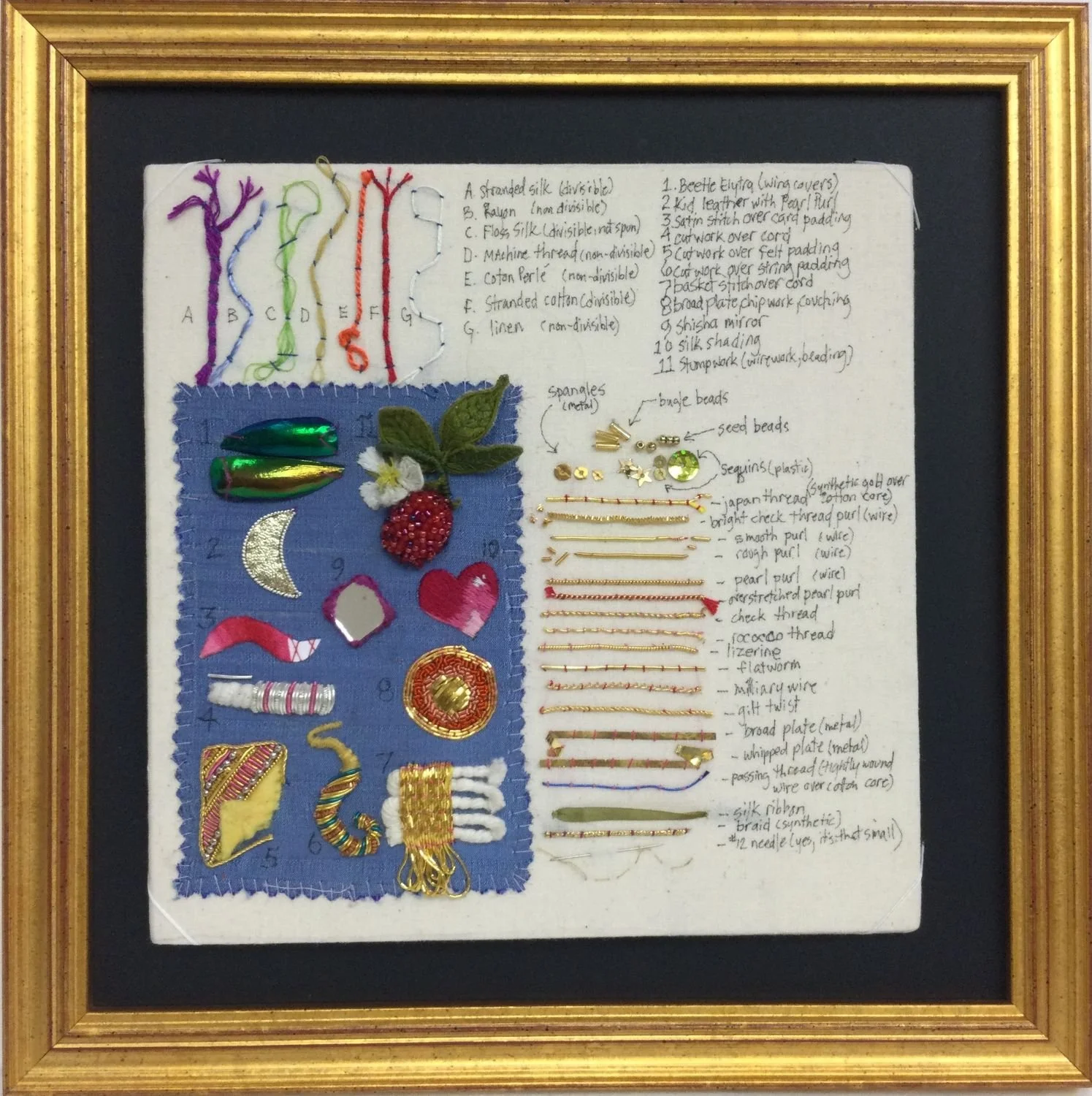
Marsha Schuld, Sampler
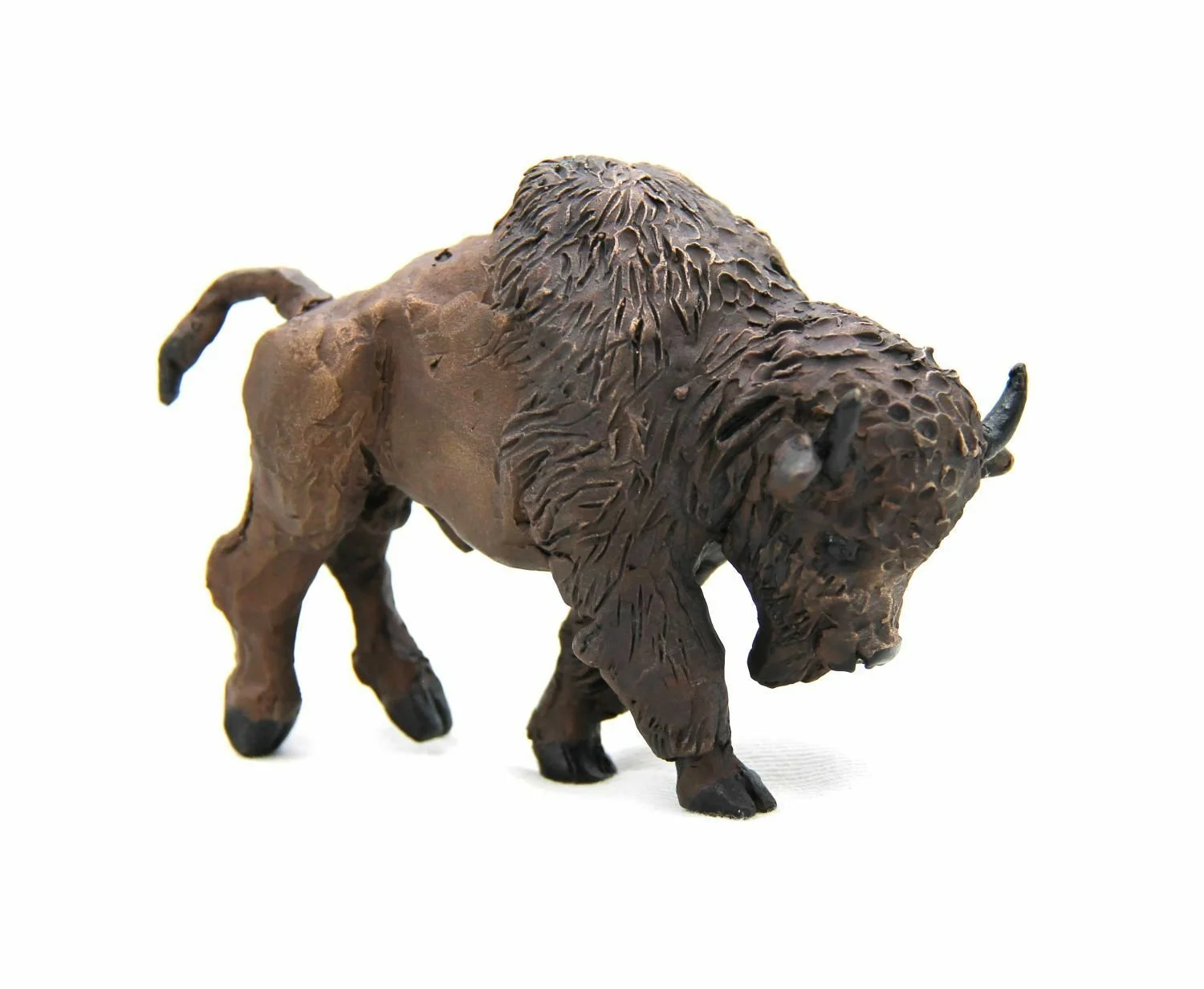
Free To Roam (Bison Calf) (#25.12.6), 2025, unique patinated bronze, 3.5 x 4.5 x 2 inches ( 9 x 12 x 5 cm) sold.
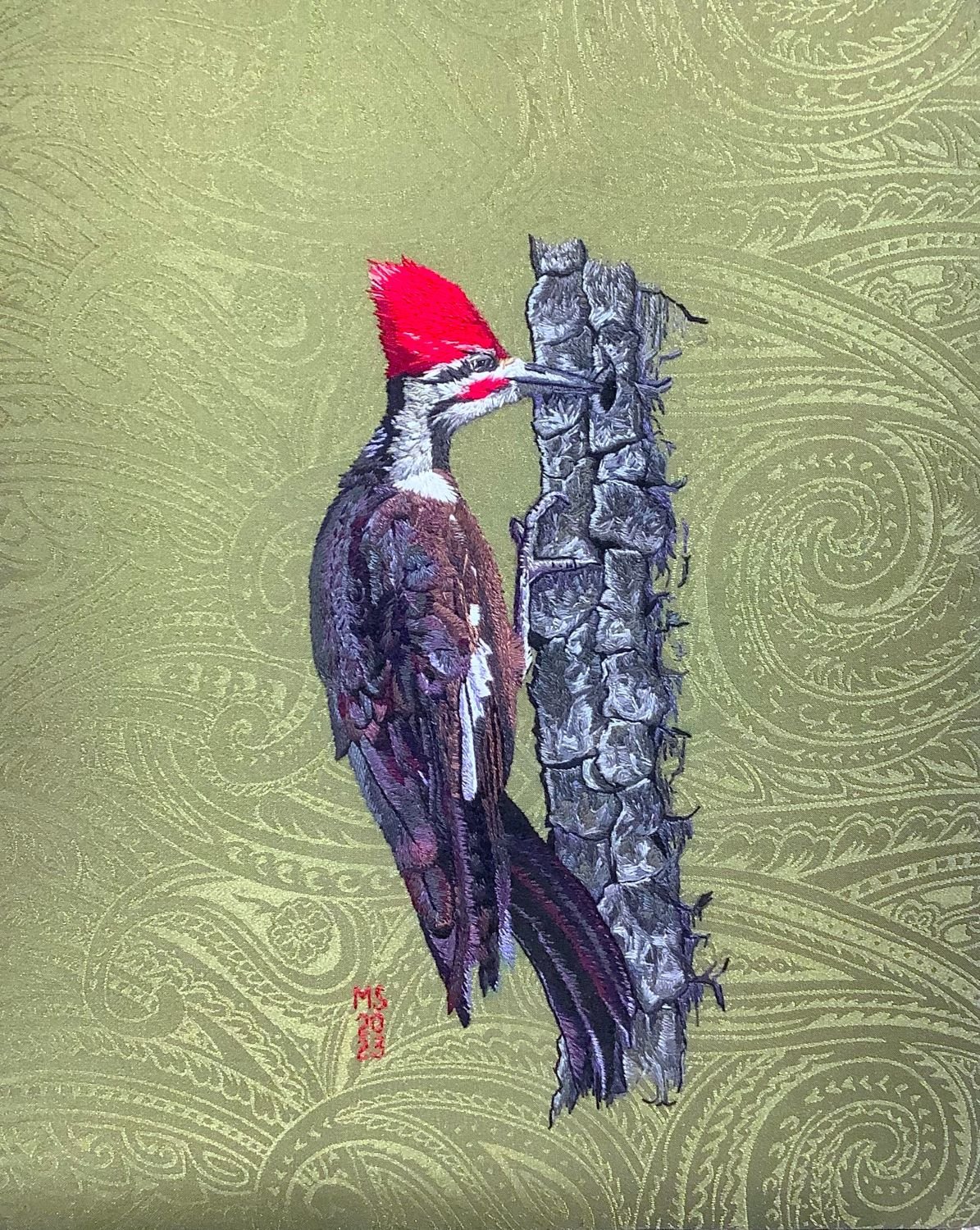
Pilated Woodpecker, 2023, hand embroidery (silk-shading), silk threads on silk ground, 10 x 8 inches (26 x 20 cm), archivally mounted, framed, sold.

Raven, 2025, free-form copper-foil panel, 15 x 11" 38 x 28 cm), sold.

A Murder Of Crows, 2016, stained glass, etched glass, copperfoil panel, zinc frame, 23 x 16" (58.5 x 41 cm), sold.

Specimen: Bumble Bee, 2023, hand embroidery 3D stump work, glass petri dish, 4 inches (10 cm) diameter, sold.

Raven Calls Pendant, 2024, kiln fused glass, hand drawn with powdered glass, 2 x 1" (5 x 2.5 cm), sold.

A Day At The Lake (Lake Louise), 2025, stained glass, fused glass, copperfoil panel, oak frame, 12 x 20" (30 x 51 cm), sold.

Owl Pendant, 2024, kiln fused glass, hand drawn with powdered glass, 2 x 1" (5 x 2.5 cm), sold.

Crow Pendant, 2024, kiln fused glass, hand drawn with powdered glass, 2 x 1" (5 x 2.5 cm), sold.

Raven Flies Pendant, 2024, kiln fused glass, hand drawn with powdered glass, 2 x 1" (5 x 2.5 cm), sold

Crow Calls Pendant, 2024, kiln fused glass, hand drawn with powdered glass, 2 x 1" (5 x 2.5 cm), sold.
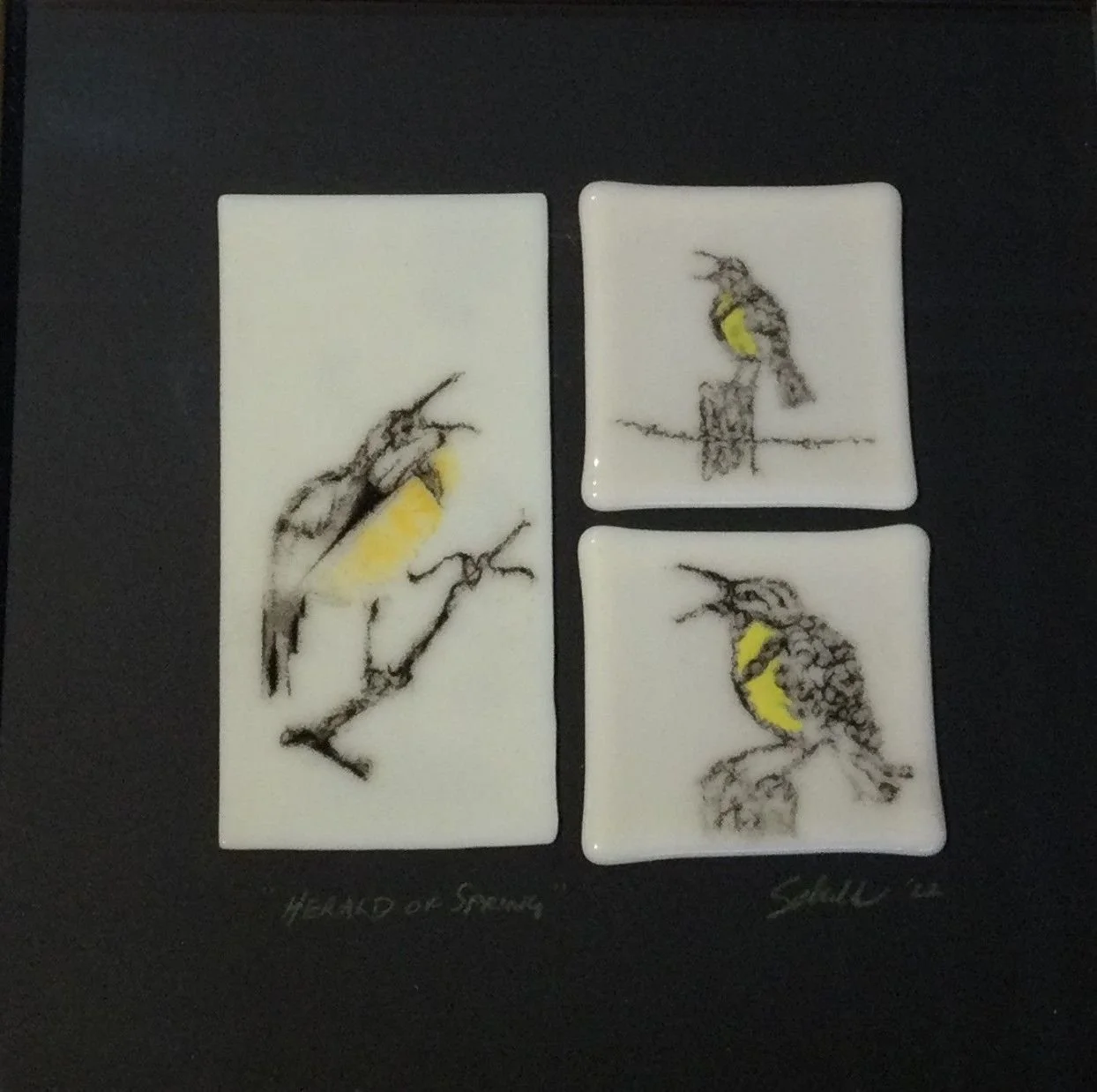
Meadowlark Trio, 2023, fused glass, 6 x 6" (15 x 15 cm), mounted and framed, sold.

Mr. Badger, 2023, needlefelted pure Merino wool, hinged limbs, glass eyes, 7 x 4 x 3" (18 x 10 x 8 cm), sold.

Canadian Floral Emblems (set of 14), hand embroidery, silk ribbons, each c. 2 x 2" (5 x 5 cm), overall 25 x 20 inches (63.5 x 51 cm), sold.
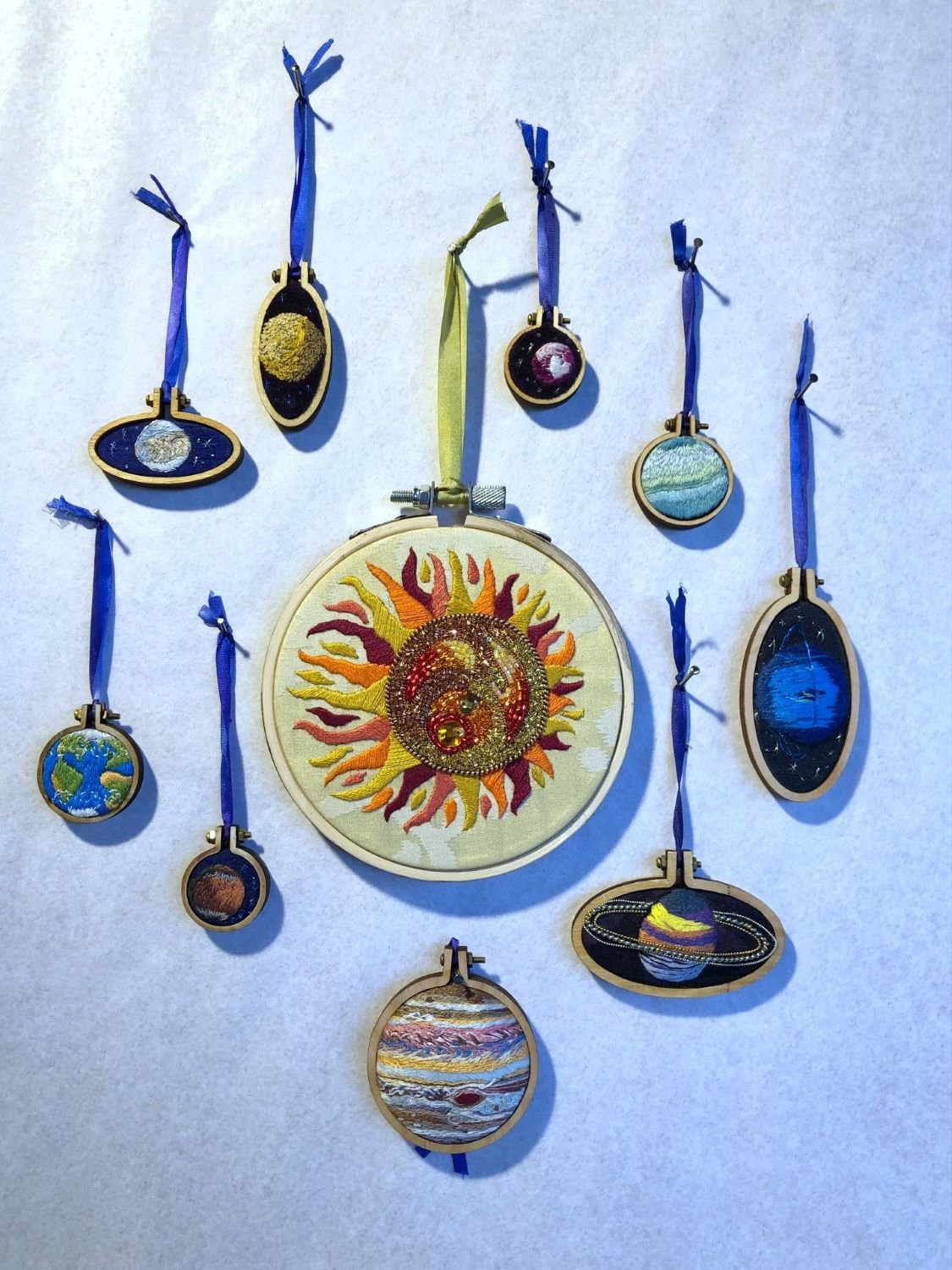
Solar System (10 pieces), 2023, hand embroidery, the sun is 4.5 inches (10 cm) diameter, sold.
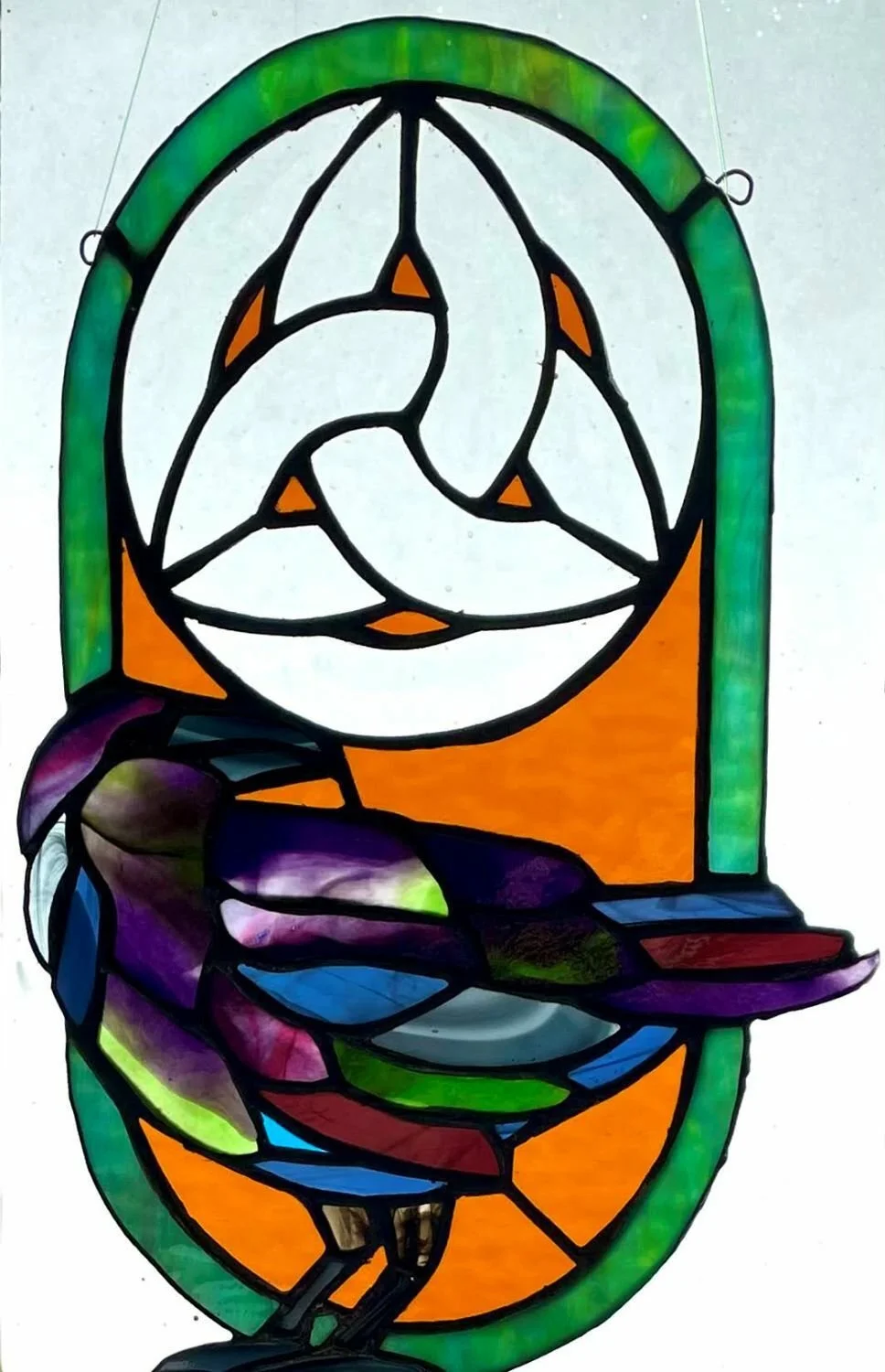
Celtic Raven (#25.12.2), 2025, stained glass with copper foil panel, 13.25 x 9 inches (33.5 x 22.5 cm), sold.

Bernadette (Grizzly Bear), 2025, ed.1/3, patinated bronze, 9.5 x 19 x 8" (24 x 48.5 x 20 cm), sold.

Edgar (Raven), bronze + pyrite, edition 2/3, 17 x 21 x 9 inches (43 x 54 x 23 cm), part of Whyte Museum of the Canadian Rockies June to October 2023 exhibition: FOR THE BIRDS.... sold.
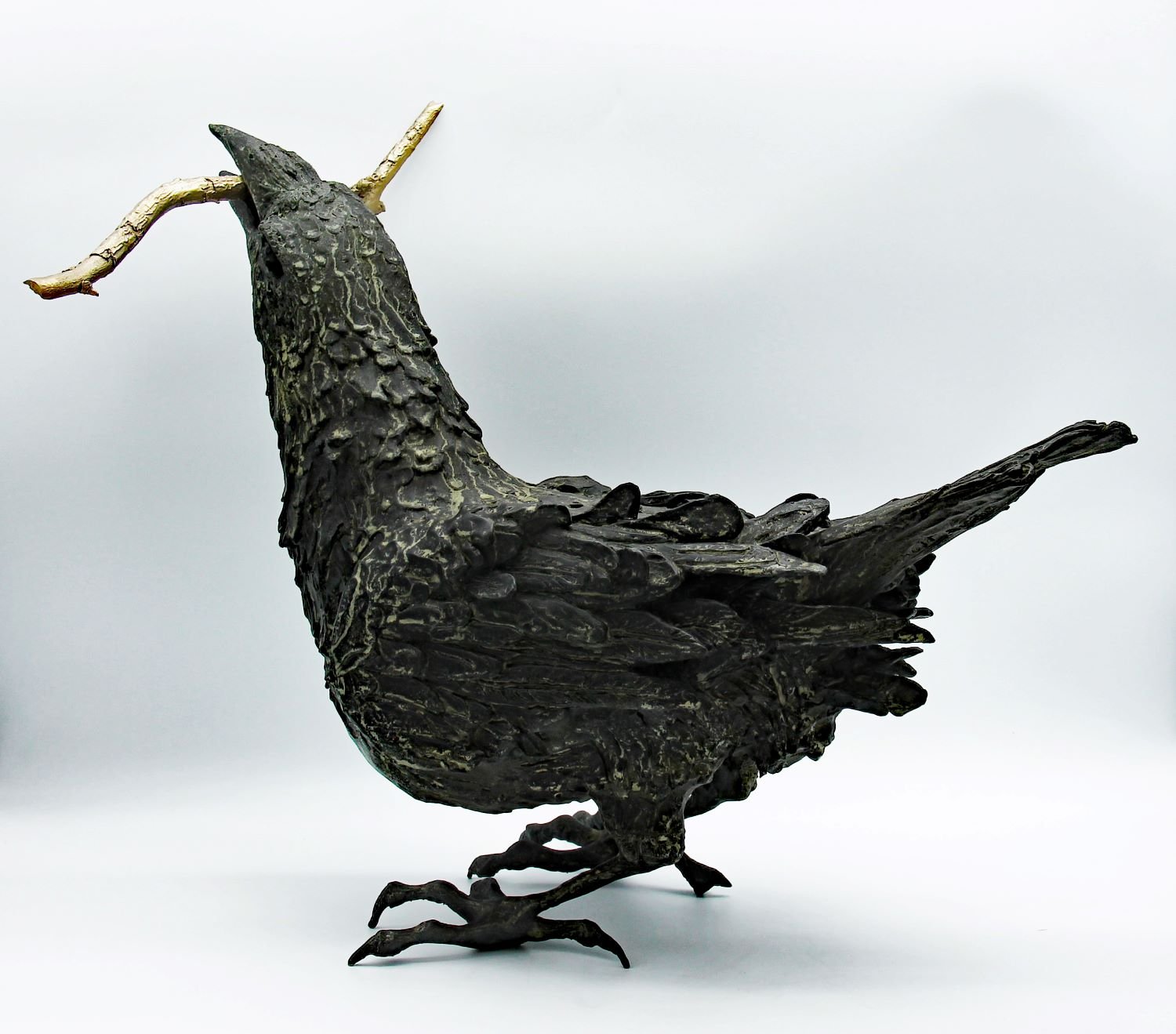
Edgar & The Golden Branch, bronze + gold patina bronze branch, edition 1/3, 17 x 21 x 9 inches (43 x 54 x 23 cm), sold...now part of Banff's Art In Nature Trail June to September.

Fish For Dinner (Belted Kingfisher), 2025, hand embroidery, silk shading on silk brocade, 10 x 10" (25.5 x 25.5 cm), SOLD ----- Technique: Silk Shading - The Belted Kingfisher’s fish was a huge challenge to stitch and took more time than the bird itself.
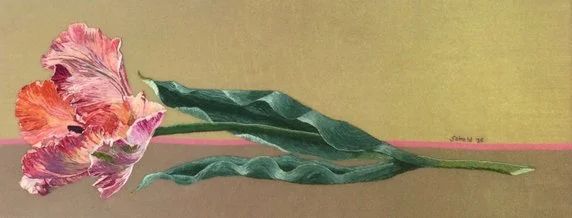
Rembrandt Tulip, 2025, hand embroidery, silk shading, silk and cotton thread on silk ground, 6.5 x 16 (16 x 41 cm), SOLD ----- Technique: Silk Shading - Silk Shading is highly detailed and colourful surface embroidery that tends to have a naturalistic feel. The highlights and tones of the subject matter are depicted through careful mixing of thread colours and stitch direction. It is generally flat or very low relief but can appear quite three-dimensional. The majority of stitches are made using silk or cotton floss with some additional details using metallic, sewing or other threads. The pieces are worked from “back to front” – elements that appear most distant are stitched first, then middle zone, then the most forward bits are stitched last. This is one of my favourite techniques to stitch as it gives me full artistic freedom to decide on colours and highlights as well as to utilize my extensive collection of amazing silk fabrics as background surface. The Bear At Sunrise uses a modest 15 or so colours of thread while the Rembrandt Tulip is made with nearly 50 different colours. The Belted Kingfisher’s fish was a huge challenge to stitch and took more time than the bird itself.

A Bear Went Over the Mountain, 2025, stained glass, fused glass, copper-foil panel, oak frame, 17 x 24" (43 x 61 cm), sold.
Marsha Schuld — Bronze & Embroidery
There are different ways of knowing, and some artists come to understand their world through the very materials they choose to work with. Such is the case with Marsha Schuld, a Southern Saskatchewan artist who has embraced multiple media as a means of making sense of her world and her life. With meticulous attention to detail in every element of her practice, Schuld invites us into a deeper appreciation of both embroidery and bronze —two mediums that, at first glance, might seem worlds apart, yet in Schuld's hands become complementary languages for expressing a unified artistic vision.
Schuld's multiplicity of approaches is not merely a matter of versatility — it is foundational to how she sees. Working across media affords her different views and perspectives, allowing her to visualize for us the way she interacts with life beyond her studio walls. She plays with combinations and juxtapositions of colour, shapes, values, and lines, and her solutions emerge from an inner dialogue among the artist, the idea, and the materials at hand. It is a constant process of decision-making: observing, listening, experimenting, focusing, and ultimately learning how to communicate through whichever medium best serves the expression. She pushes herself to explore beyond the ordinary, seeking out those moments that offer insights into both process and life itself. Whether in bronze or stitchery, she demonstrates a mastery of each fitting technique, finding the medium and the scale that allow for the strongest possible expression of a given idea.
Ultimately, what guides Schuld's choices is a conviction rooted in deep respect for hand-craft. As she states, "I am a fierce proponent of the preservation of hand-craft and hand made. I feel the world is a richer place if we honour skills built over a lifetime by individuals devoted to their preservation." It is this principle — paired with her ongoing journey of observation and impression — that informs her selection of the medium to match the message. By choosing the most suitable medium for each subject, she shows her ability to communicate across materials, reaching her audience from different angles while ensuring her message remains clear. Her works in bronze and embroidery process her response to nature, connecting her insight and viewpoint to a sense of place and offering viewers a feeling of belonging. From the perspective of southern Saskatchewan, her art speaks to that reality while expanding to encompass individual experience far beyond the prairie — drawing life from outside the studio into the studio to consider, evaluate, and reinterpret, saying something profound about what we are doing on this lovely planet.
Each day I go out to my studio and do what I do...
Sculpting, embroidery, and printmaking allows the artist to examine the essence of these animals. The texture of fur or feathers, the way light shines on antlers and horn, the artist presents them in unconventional portraiture and with minimal colour or with a brilliant application of vivid colour to bring across the character and diversity of what she sees.
Marsha Schuld is a multi-media artist working out of her studio in southern Saskatchewan. A lifelong artist, Marsha came to art as a career through all her other jobs and interests.
Largely self-taught, she has studied art formally through the University of Saskatchewan and arts programs at Red Deer College as well as attending numerous courses and workshops over the years in a variety of media. That diverse background is shown in her art practice which ranges across painting to drawing, sculpting, stained glass and needlework.
She received a second to none education from the skilled tutors at the Royal School of Needlework (RSN). The result is a proudly earned Certification with Merit from the people who embroider the Queen's coronation robes. To be included in this elite group of stitchers is a high honour indeed.
Her artwork has been exhibited in solo and group exhibitions and won numerous awards. Her work is in corporate and public collections in Canada, the United Kingdom, and the United States.
“I believe strongly that we are a part of an integrated planet. No one thing exists without affecting all that is Earth. It is not “environmentalism” or “conservation” that drives me, though these things, to me, are the inevitable result of living fully. The environment around me has always evoked within me strong emotion and equally strong devotion. The basis for my work over the past 3 decades has been this which is near, that dictates my daily life and personal vision.
The Alberta and Saskatchewan are a region of habitats that requires patience, time, and attention to detail for their treasures to be revealed. So, I look. Closely. Through my work I wish to make a convincing argument for the importance of wildness. It is not enough to simply tell people that it is important – they must be brought to a new level of understanding. I want my work to prompt questions, to surprise, to charm and to convince the viewer that what they are seeing is worthy of notice, of protection, of honour.”