
Printmakers
John Topelko (1925-2019)
a WWII veteran whose printmaking captured Canada's wilderness while pushing the boundaries of optical art.
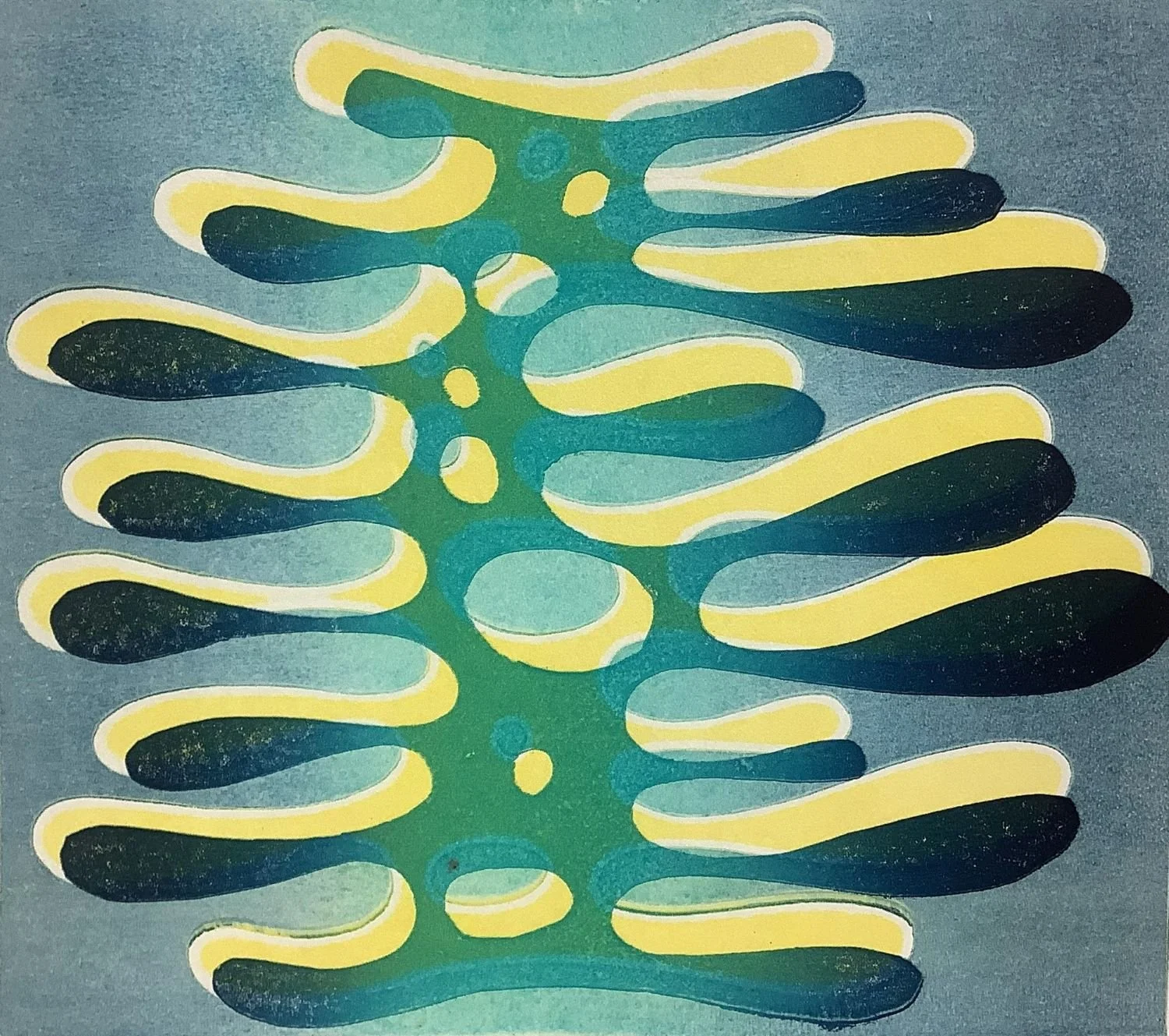
Grand Bonsai IV (ed.9/10), 1985, stone lithograph on handmade paper, 15.5 x 17.5 inches (39.5 x 44.5 cm), provenance: private collection Ontario, framed, $795 Cdn.
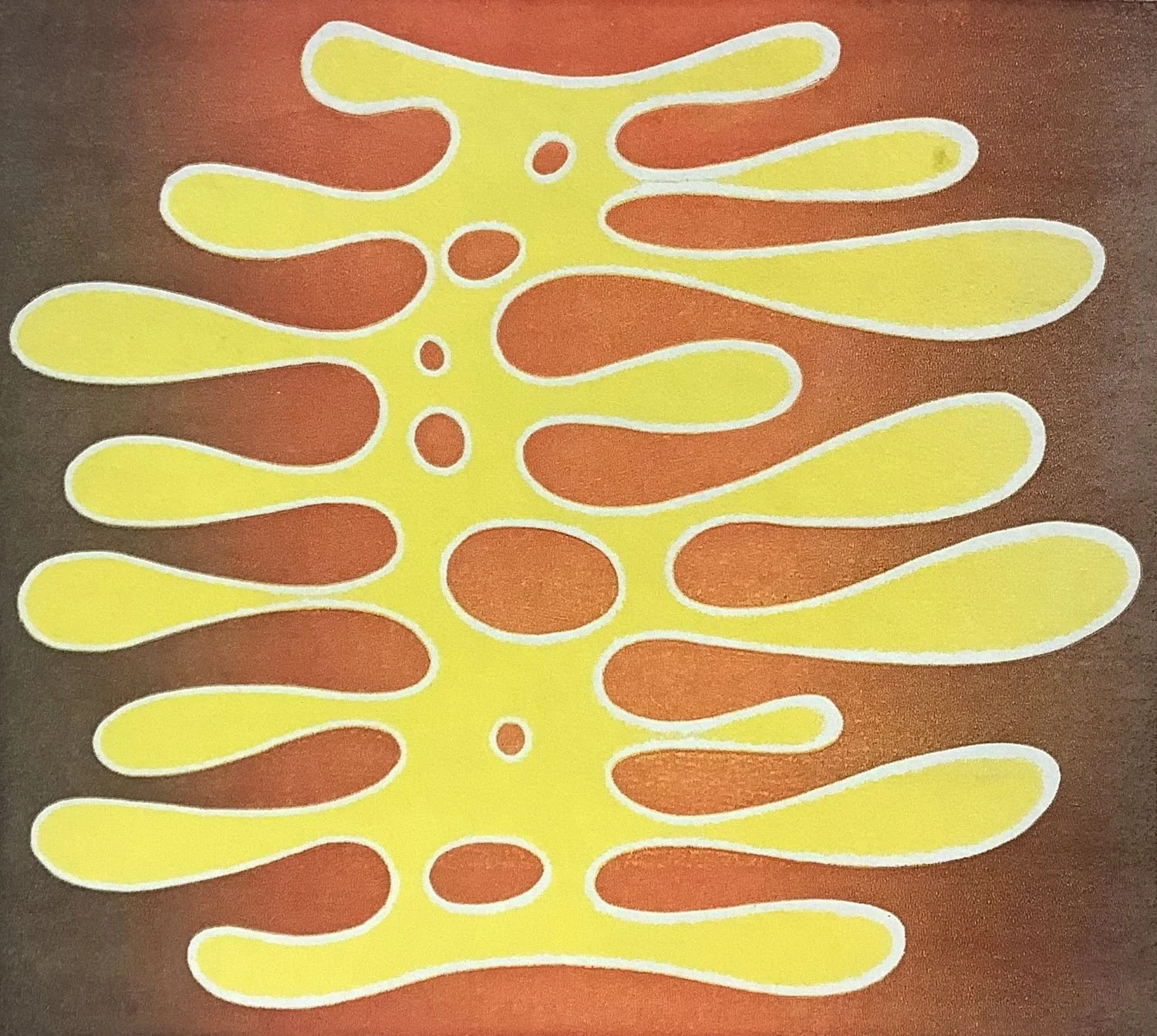
Grand Bonsai I (ed.7/12), 1985, stone lithograph on handmade paper, 15.5 x 17.5 inches (39.5 x 44.5 cm), provenance: private collection Ontario, framed, $795 Cdn.
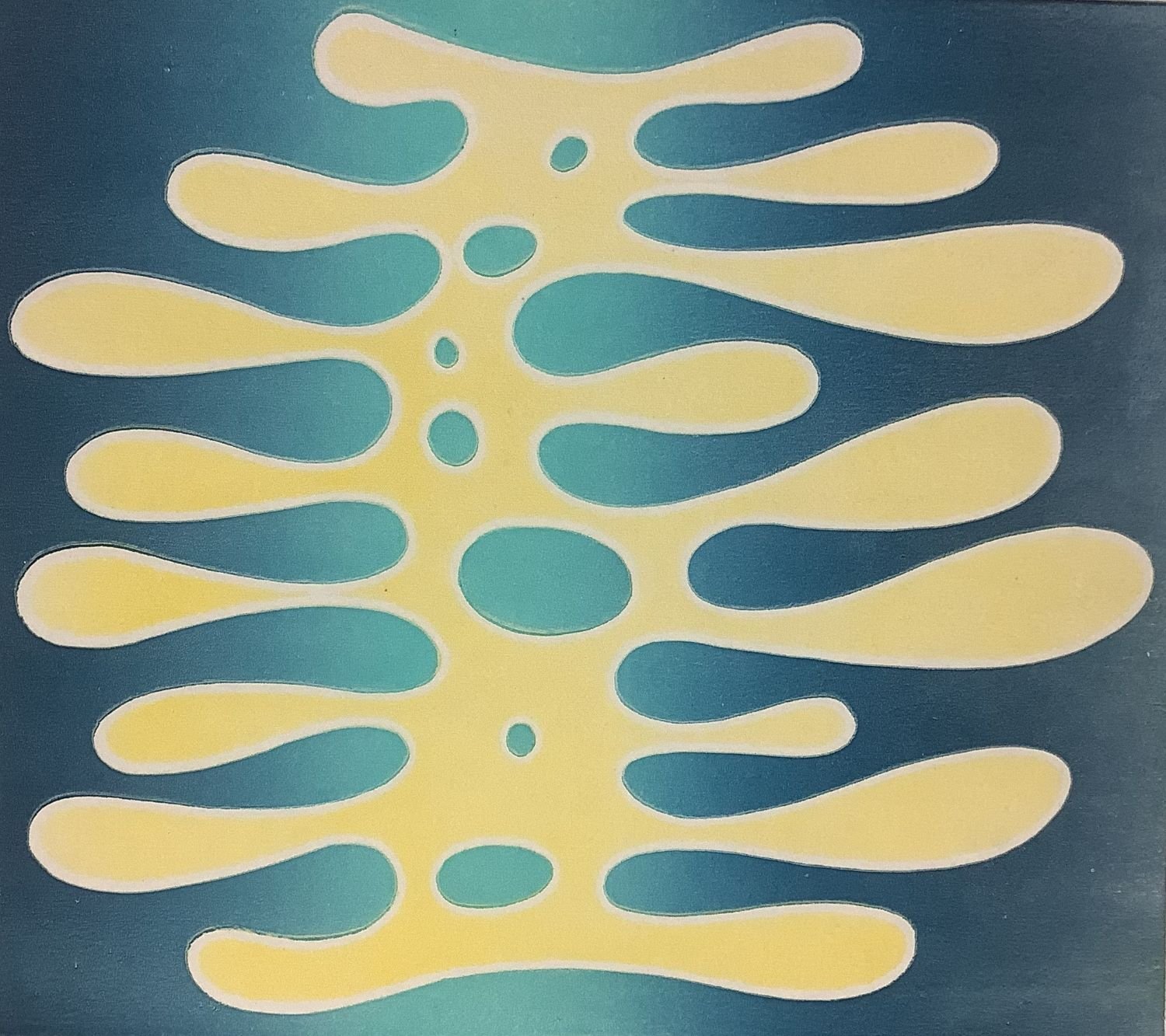
Grand Bonsai III (ed.2/10), 1985, stone lithograph on handmade paper, 15.5 x 17.5 inches (39.5 x 44.5 cm), provenance: private collection Ontario, framed, $795 Cdn.
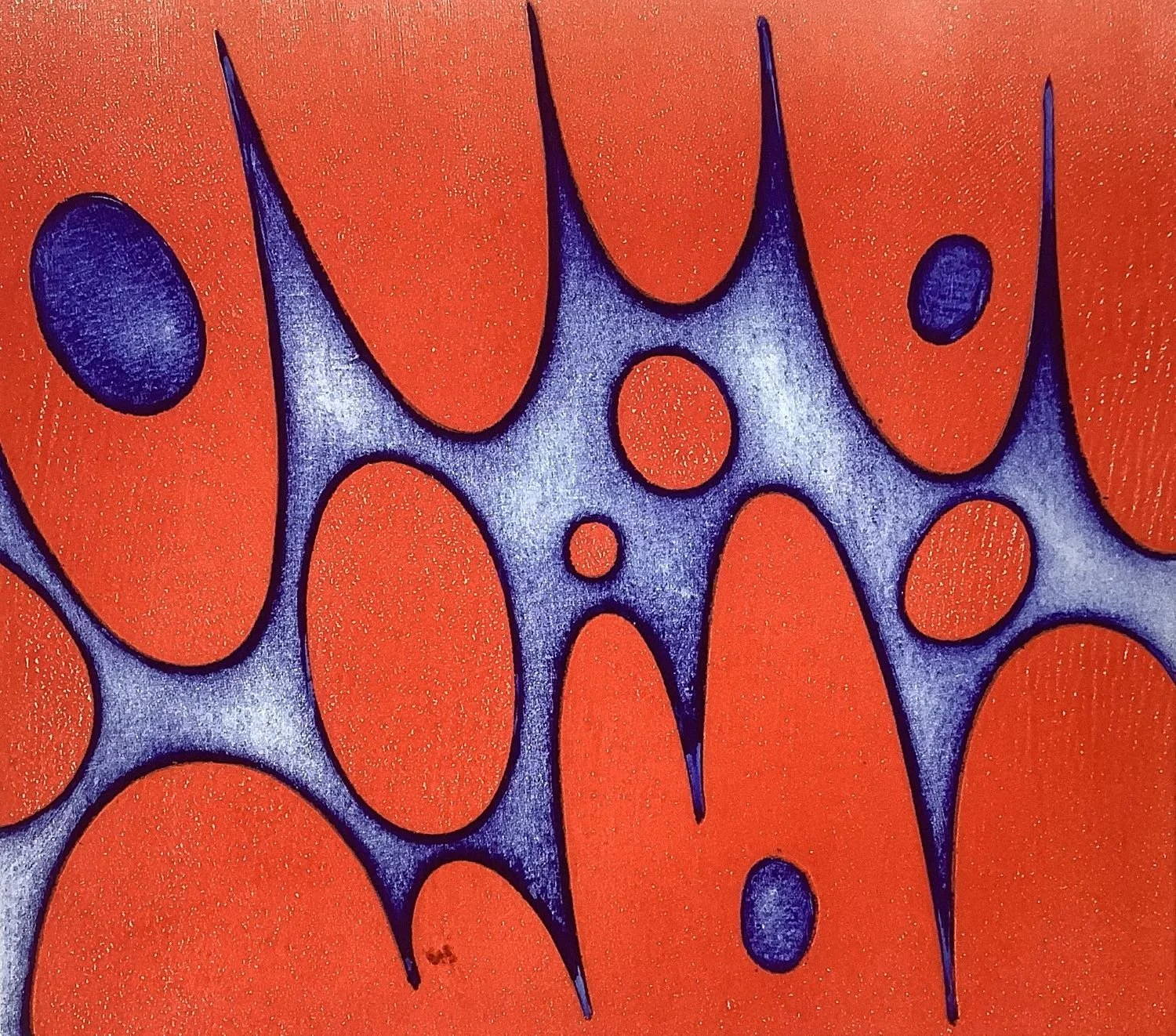
Grand Apsis I (ed.18/20), 1985, stone lithograph on handmade paper, 15.5 x 17.5 inches (39.5 x 44.5 cm), provenance: private collection Ontario, framed, $795 Cdn.
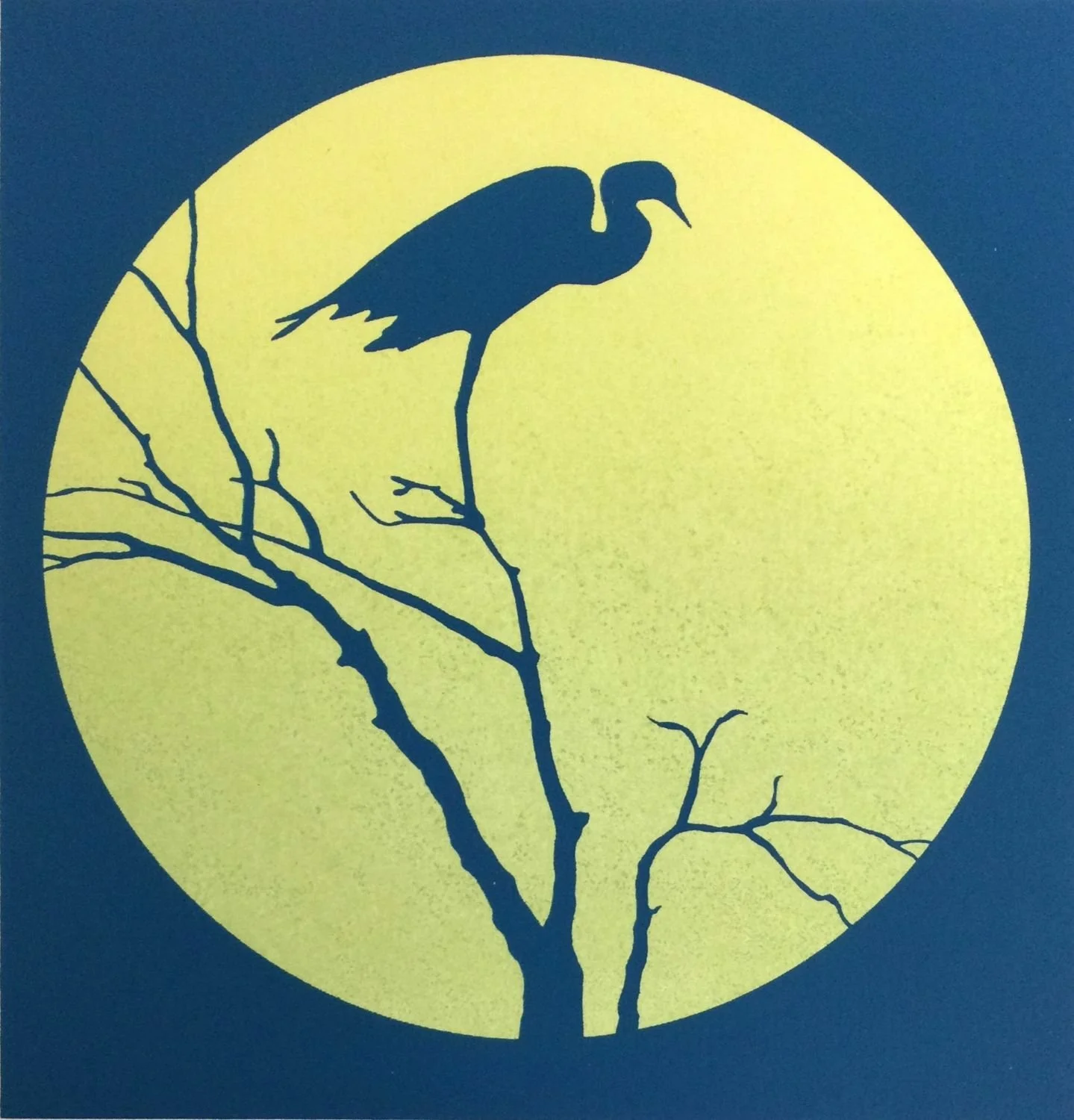
Egrets II, 1985, ed. 53, serigraph/paper, 7.5 x 7.25 inches (19 x 18.5 cm), provenance: Topelko/TBC, framed, $495 Cdn

Egrets I, 1985, ed. 50, serigraph/paper, 7.5 x 7.25 inches (19 x 18.5 cm), provenance: Topelko/TBC, framed, $495 Cdn.

Dawn Flight (Ducks), 1988, ed. 62, serigraph/paper, 16x10.5 inches (40.5 x 26.6 cm), provenance: Topelko/TBC, framed, $595 Cdn

Reverie (Heron), 1988, ed. 64, serigraph/paper, 18 x 12 inches (46 x 30.5 cm), provenance: Topelko/TBC, framed, $595 Cdn.

Anise Swallow Tail (Butterfly), ed. 60, 2007, woodblock, 7x10 inches (17.5 x 25.5 cm), provenance: Topelko/TBC, framed, $495 Cdn.

The Viceroy (Butterfly), 2007, ed. 40, woodblock, 7x10 inches (18 x 25.5 cm), provenance: Topelko/TBC, framed, $495 Cdn.
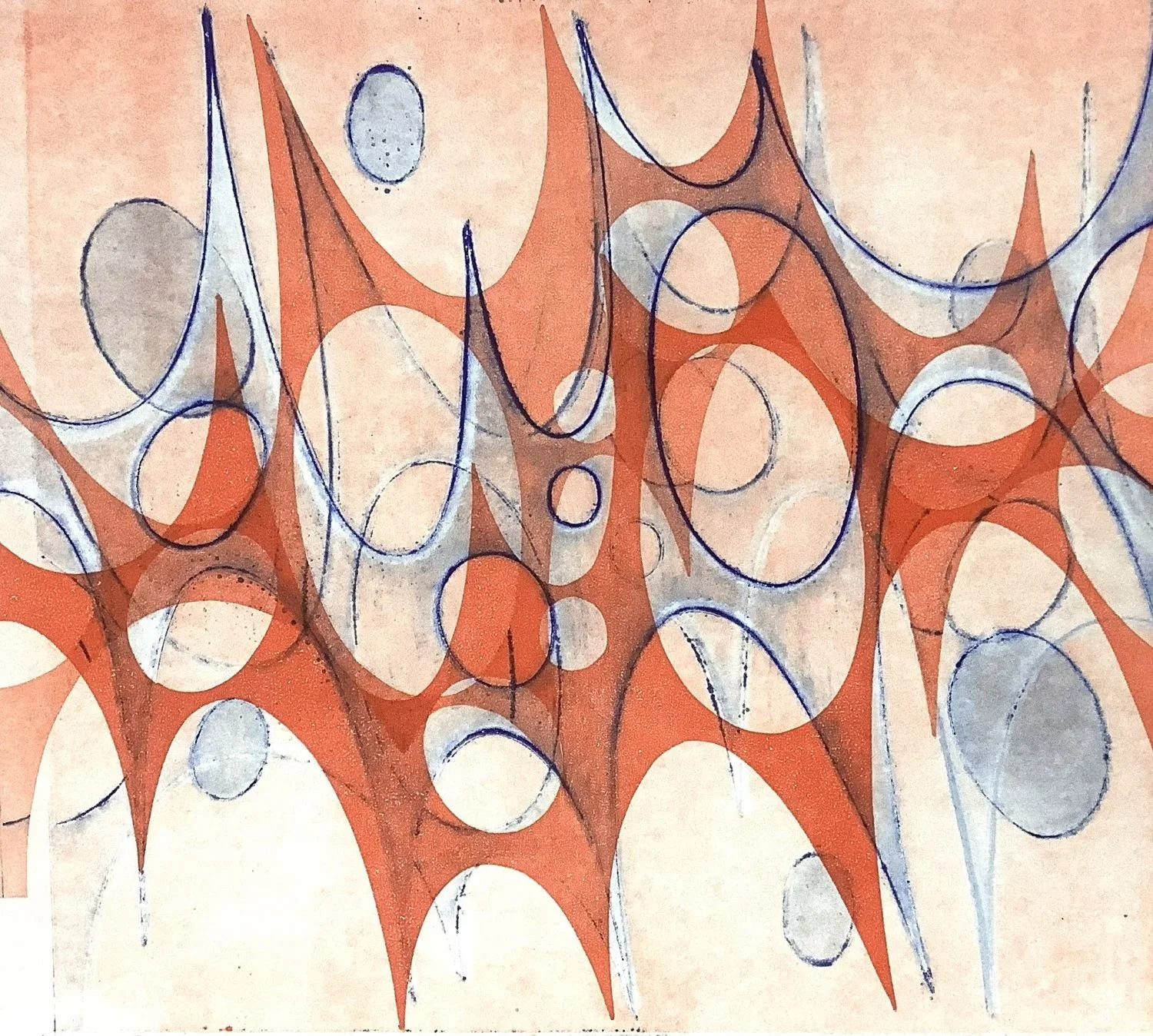
Grand Apsis III (ed.7/10), 1985, stone lithograph on handmade paper, 15.5 x 17.5 inches (39.5 x 44.5 cm), provenance: private collection Ontario, sold.

Bull Moose (rare), 1988, ed. 30, woodblock/paper, 9 1/4 x 11 3/8 inches, one remaining in the collection, framed, $595 Cdn (unframed $395 Cdn).

Moose Pasture II, 2006, ed. 34, woodblock/paper, 9x11 inches, three remaining in the collection, 1 framed @ $595 Cdn (2 unframed @ $395 Cdn each).

Camp Site, 1988, ed. 30, woodblock/paper, 10 x 14 inches, one remaining in the collection, framed, $595 Cdn (unframed $395 Cdn).

Birch Grove (Beaver and Grouse), 2006, ed. 23, woodblock/paper, 13 x 10 inches, framed, $595.00 Cdn.

Ducks Fishing, 1988, ed. 31, woodblock/paper, 10x7.5 inches, framed, $595.00 Cdn.

Camp Visitors (Bears), 1988, ed. 30, woodblock/paper, 15 5/8 x 10 1/4 inches, framed, $595.00 Cdn.

Loons, 1988, ed. 30, woodblock/paper, 10 x 12 inches, framed, $595.00 Cdn.

Portage, 1988, ed. 30, woodblock/paper, 14 3/4 x 10 3/4 inches, framed, $595.00 Cdn.

Heading South, 1988, ed. 29, woodblock/paper, 9x11 inches, framed, $595.00 Cdn.

Pheasant Hunt, 1988, ed. 30, relief engraving/paper, 14 3/4 x 6 3/4 inches, framed, $595.00 Cdn.

White Water Ahead II, ed. AP I/III (rare), woodblock on paper, 10x11.5 inches (25.5 x 29 cm), sold.

At Forest's Edge, 1988 (rare), woodblock on paper, 15 x 11 inches (38 x 28 cm), sold.

John Topelko, c.1999

Click to enjoy John Topelko's paintings...
Biography
1925-2019
Generosity
In 2014 John Topelko donated a sizeable number of his block prints to The Banff Centre in order to support their Artist's Fund. We are pleased to represent John's work, on behalf of The Banff Centre, knowing that a portion of sales will realize this generous artist's wish.
There is a John Topelko Award in the Print Media Faculty at Concordia University, Montreal.
“In my works, I do not merely describe the visible world, I select, arrange and rearrange, and emphasize as I attempt to interpret the moods, the character and the spirit of the country.”
CV
Solo Exhibitions
Willock & Sax Gallery, Banff
Green Gables Gallery, Oakville
Rothwell Gallery, Ottawa
University of Toronto
City Hall, Ottawa
Ukranian Canadian Art Foundation, Toronto
Robertson's Gallery, Ottawa
National Capital Art Gallery, Ottawa
Masonic Temple, Ottawa
After serving on the tribal-class destroyer H.M.C.S. Haida during World War II—including participation in the D-Day attacks on Normandy—John Topelko pursued art education. He first enrolled at the Provincial Institute of Art & Technology in Calgary (1945–46) and later attended the Ontario College of Art in Toronto (1949–50). In 1949, while working at the White Owl Café in Banff (now the Magpie & Stump) to raise funds for his OCAD studies, he met Jock MacDonald and A.Y. Jackson, who were teaching at the Banff School of Fine Arts. At that time, he was offered a scholarship to the Banff School, though his finances still did not permit him to attend. Years later, he returned the gesture by donating works to the Banff Centre to support their artists' fund, ensuring future students could access the opportunity he had been denied. His legacy also endures through the John Topelko Award for Print Media at Concordia University, Montreal.
His friendship with Jackson was renewed when both artists were back in Toronto and then Ottawa. Topelko and Jackson frequently shared Yonge Streetcar rides where they exchanged stories about the war (Jackson was an official war artist). Their friendship continued in Ottawa’s Capital Region, since Jackson later resided at Manotick, Ontario and John was long time art director at Ottawa’s Canterbury High School.
Topelko's printmaking practice spanned from the early 1970s until 2006, when health complications from asbestos exposure during the war forced him to stop. Working primarily in woodblocks, stone lithographs, engravings, and serigraphs, he approached printmaking as experimentation with process rather than adherence to prescribed techniques. This newsletter highlights his bold colour stone lithographs and woodblocks—a departure from the black-and-white woodblocks we've emphasized previously. Though his formal training focused on painting, he received Canada Council Grants in 1974 and 1976 for printmaking exploration and lectured on block-print techniques at the Bytown Museum and Billings Estate. His work is held in public and corporate collections including the Canada Council, House of Commons Speaker's Chamber, National Gallery of the Ukraine (Kiev), University of Ottawa, University of Toronto, Ford Motor Company of Canada, and private collections across Canada, England, the United States, Australia, Japan, and the Ukraine.
As an avid outdoorsman, Topelko found inspiration in Canada's wilderness through skiing, hiking, canoeing, sailing, and mountain climbing. Immersed in these landscapes, he had ample time to absorb its beauty and reflect on ways of expressing his appreciation. Whether in block prints or oil paintings, he depicted wilderness scenes populated by birds, butterflies, and wildlife—capturing not only the natural environment but also humanity's relationship with it. His works feature pitched tents, campsites, and dynamic scenes of 'shooting' the rapids, conveying both reverence for and participation in the wild.
While his representational work honoured the landscape directly, Topelko also pursued a deeper understanding of his art practice's inner workings through abstraction. Influenced by Op Art pioneer Victor Vasarely (Hungarian, 1908–1997), who studied motion and perception, Topelko explored suggestions of movement and optical illusion within two-dimensional works. This investigation gave rise to his Apsis and Bonsai series, where he juxtaposed contrasting forms and bold colours to examine underlying order and structure.
Throughout his career, Topelko weighed controlled process against a free-flowing approach to determine how each impacted the final artwork. This created a rhythm and order within his practice, allowing him to consider larger ideas around structural foundations—principles he valued sharing with others. For Topelko, art mattered because it helped us understand our world from the smallest details to the grandest spaces.