b. 1968
Bradley Keys explores the geography of Western Canada in Grounded.
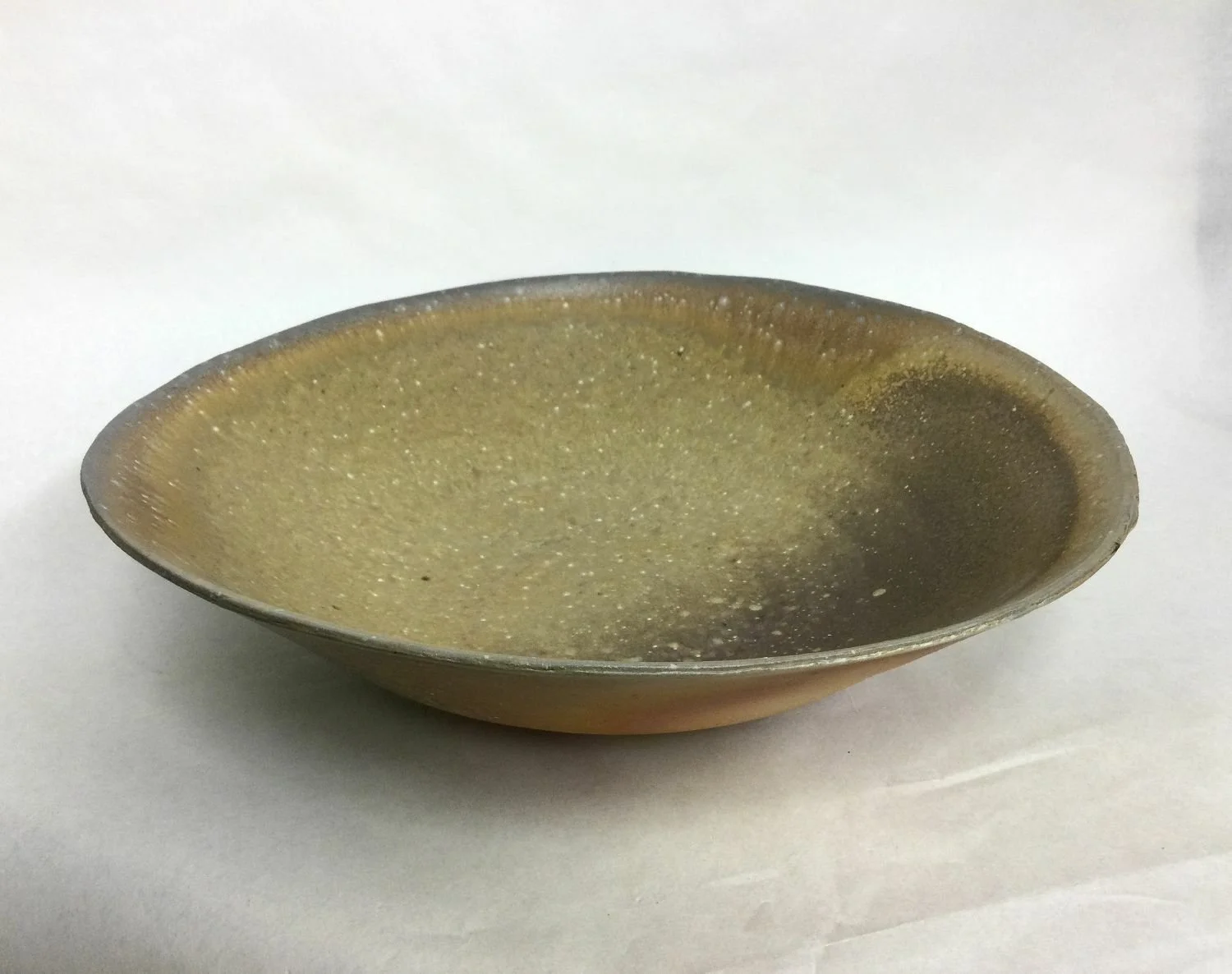
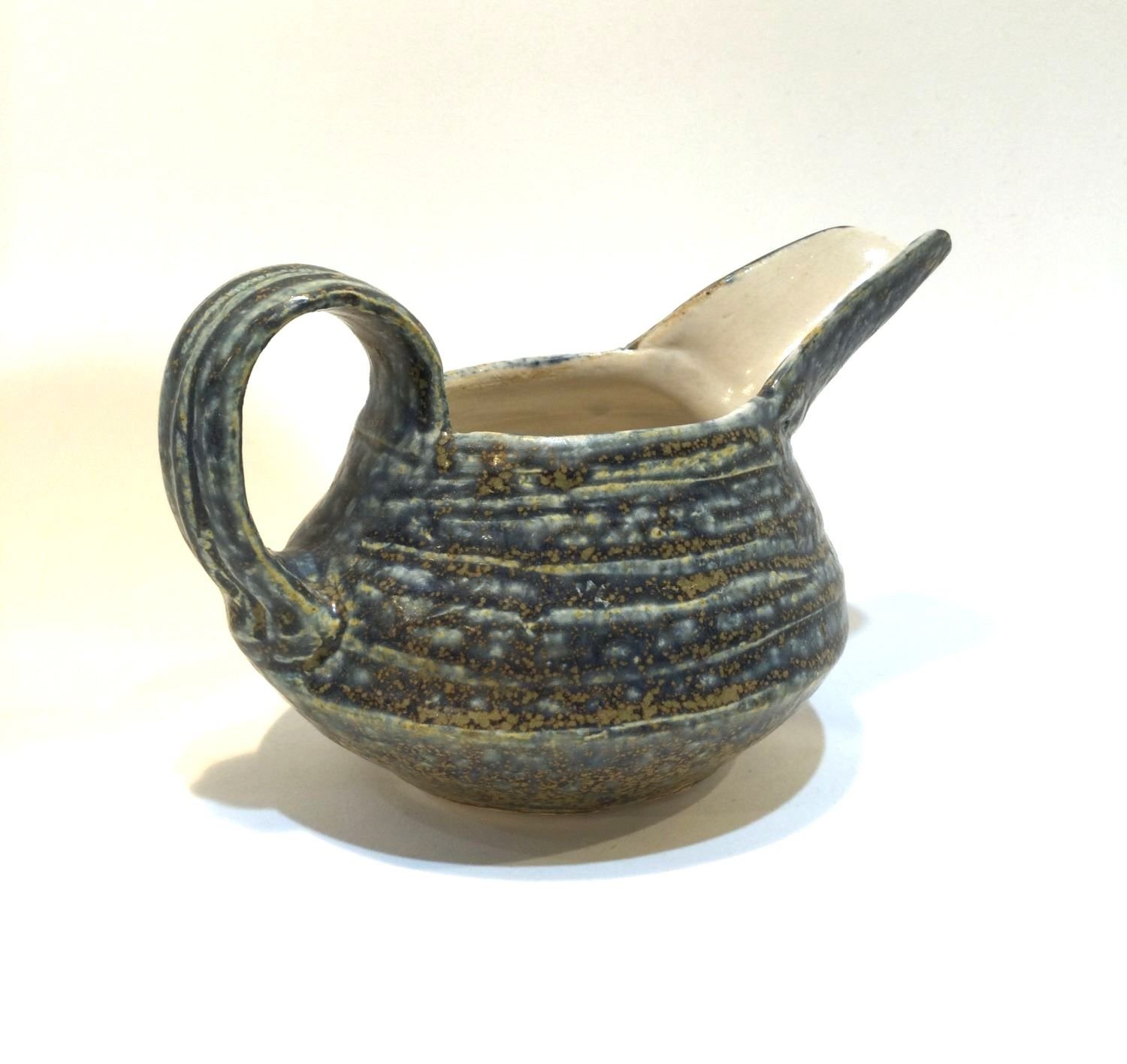
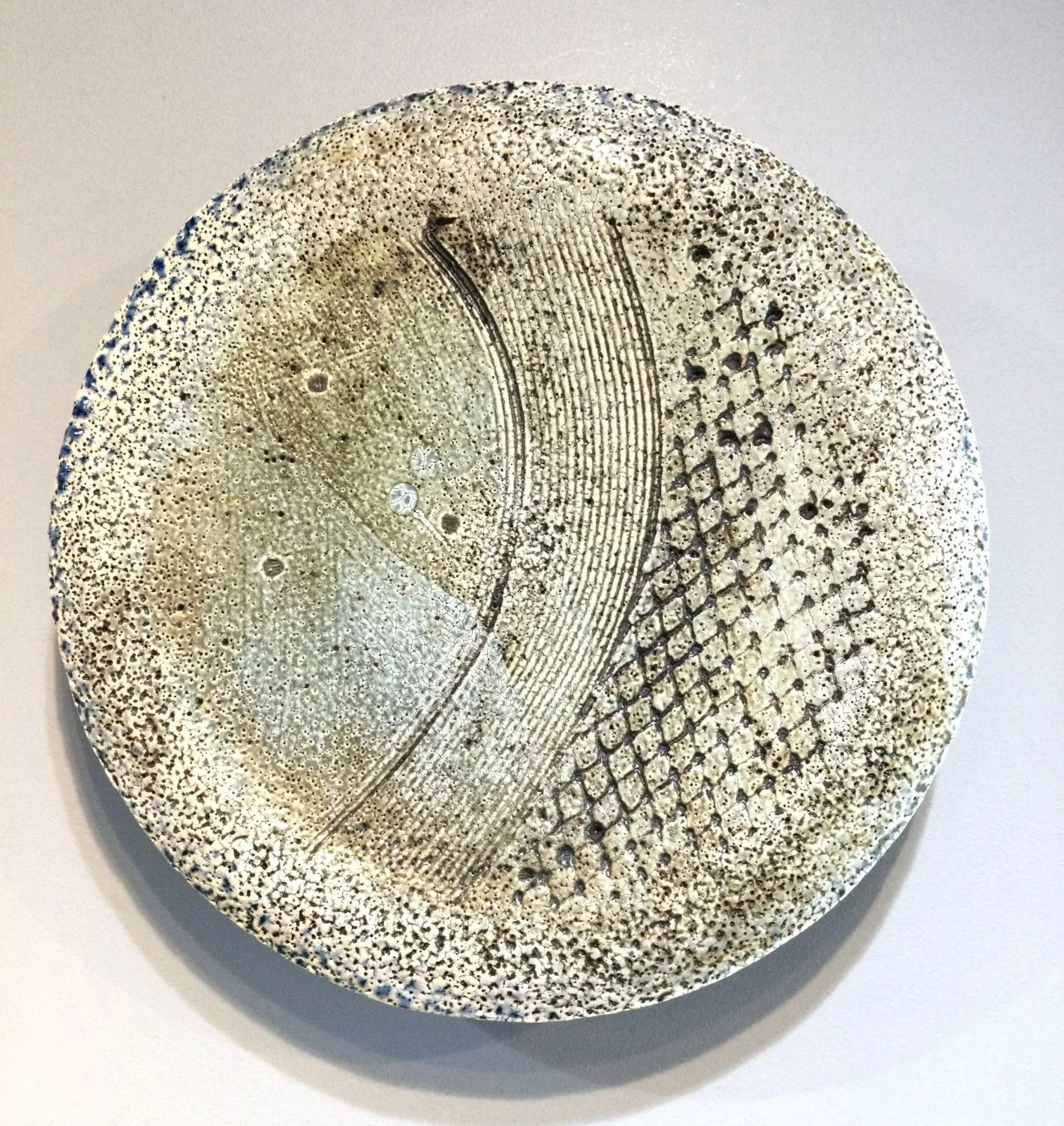
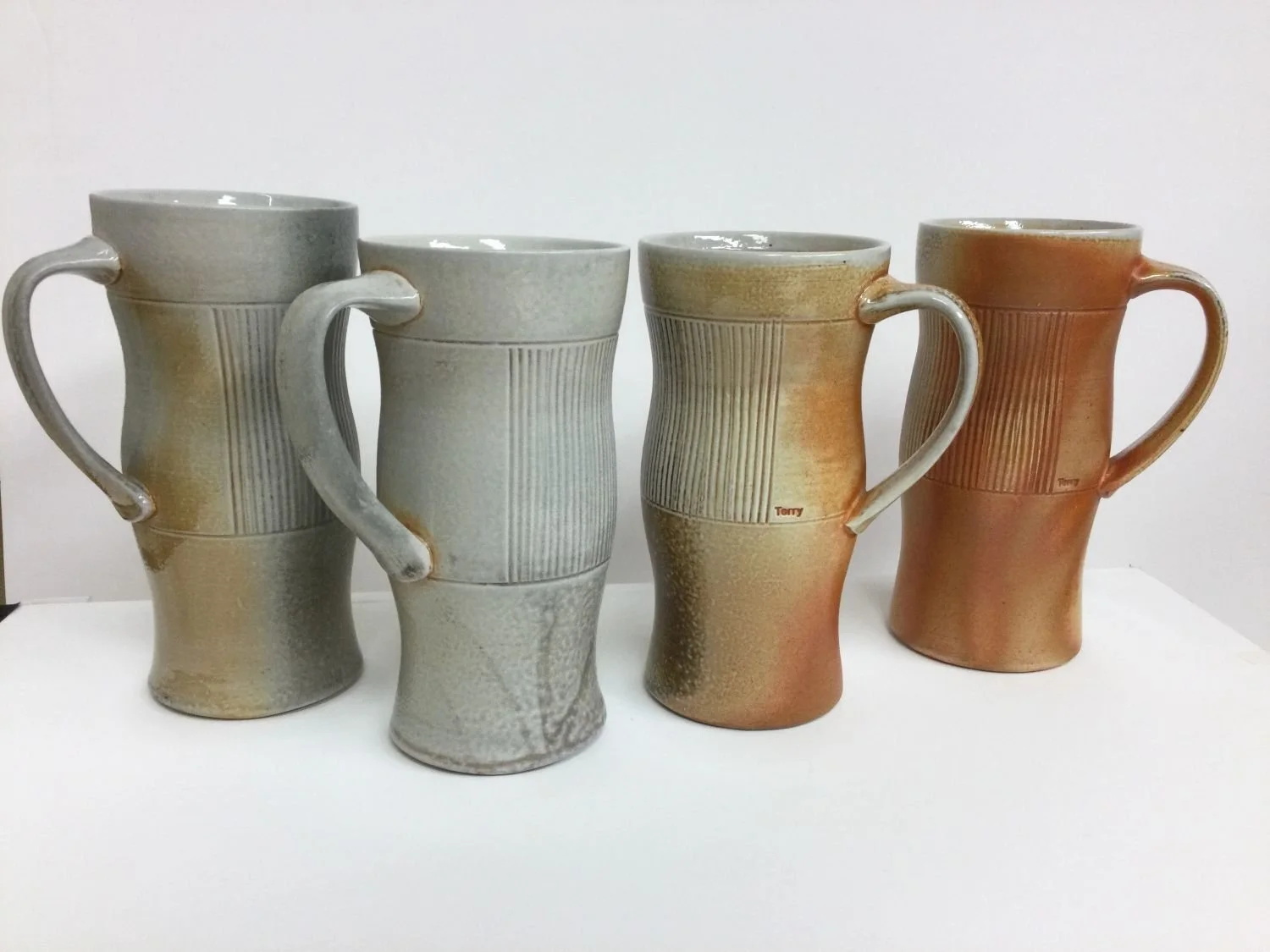
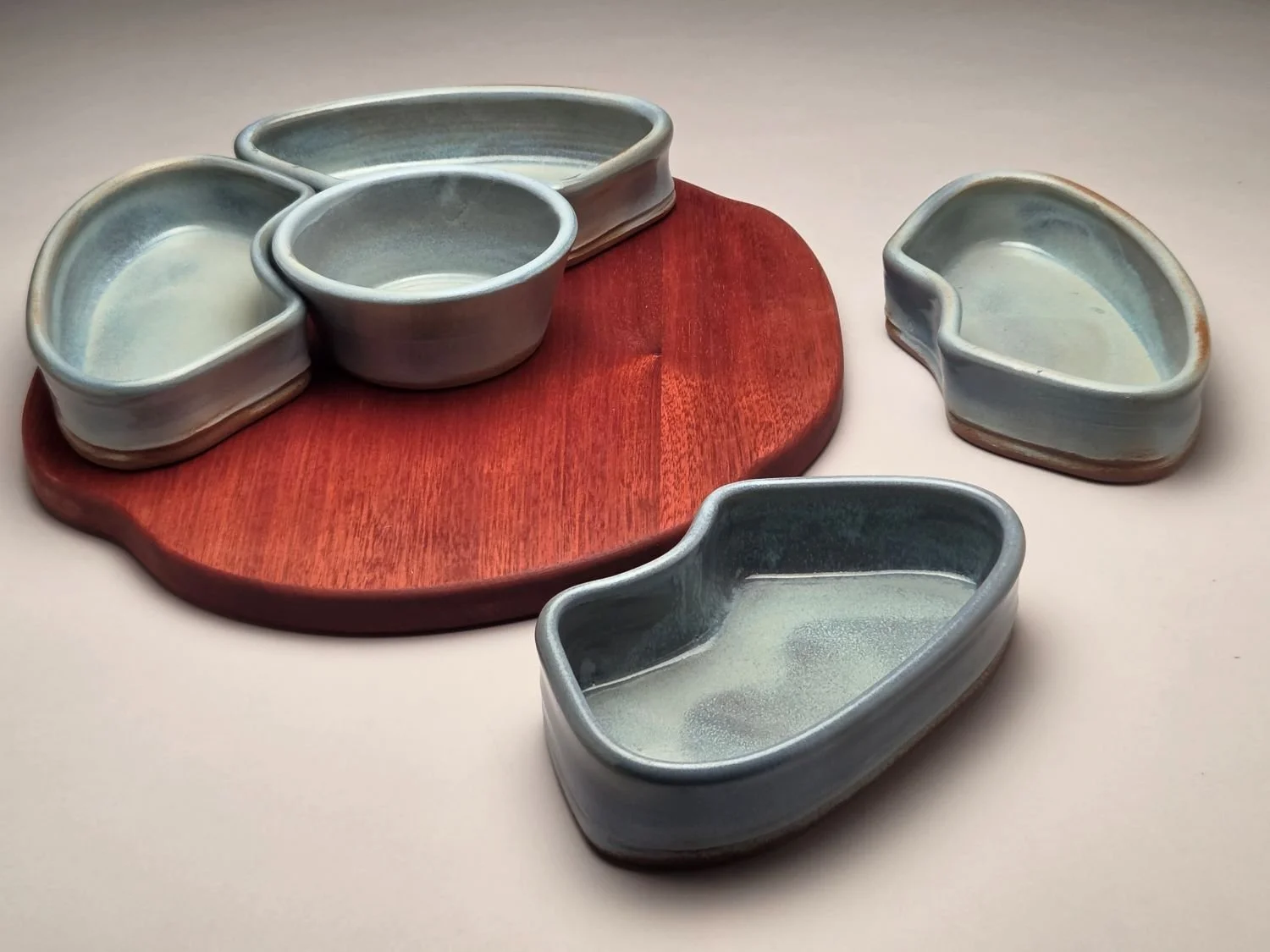
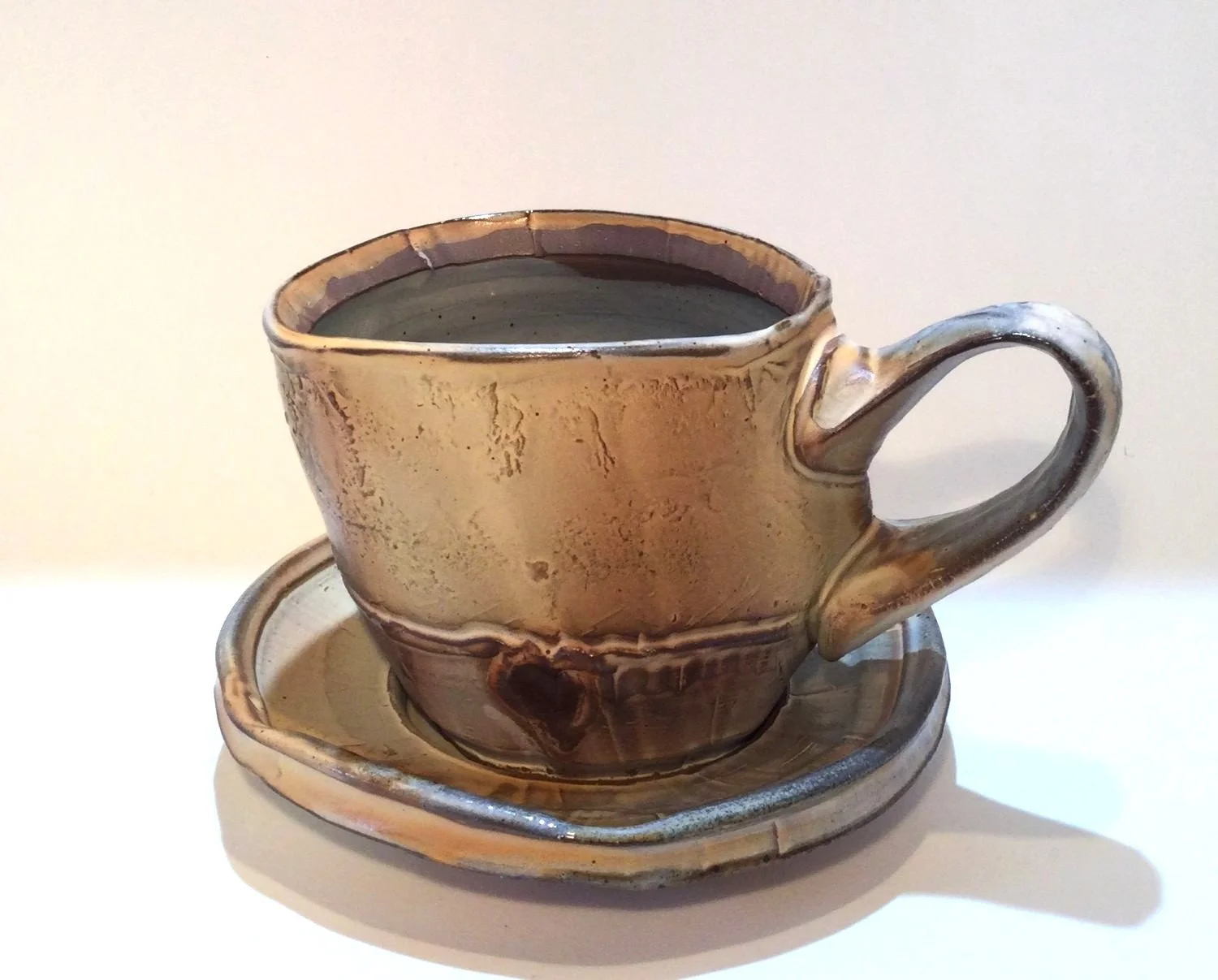
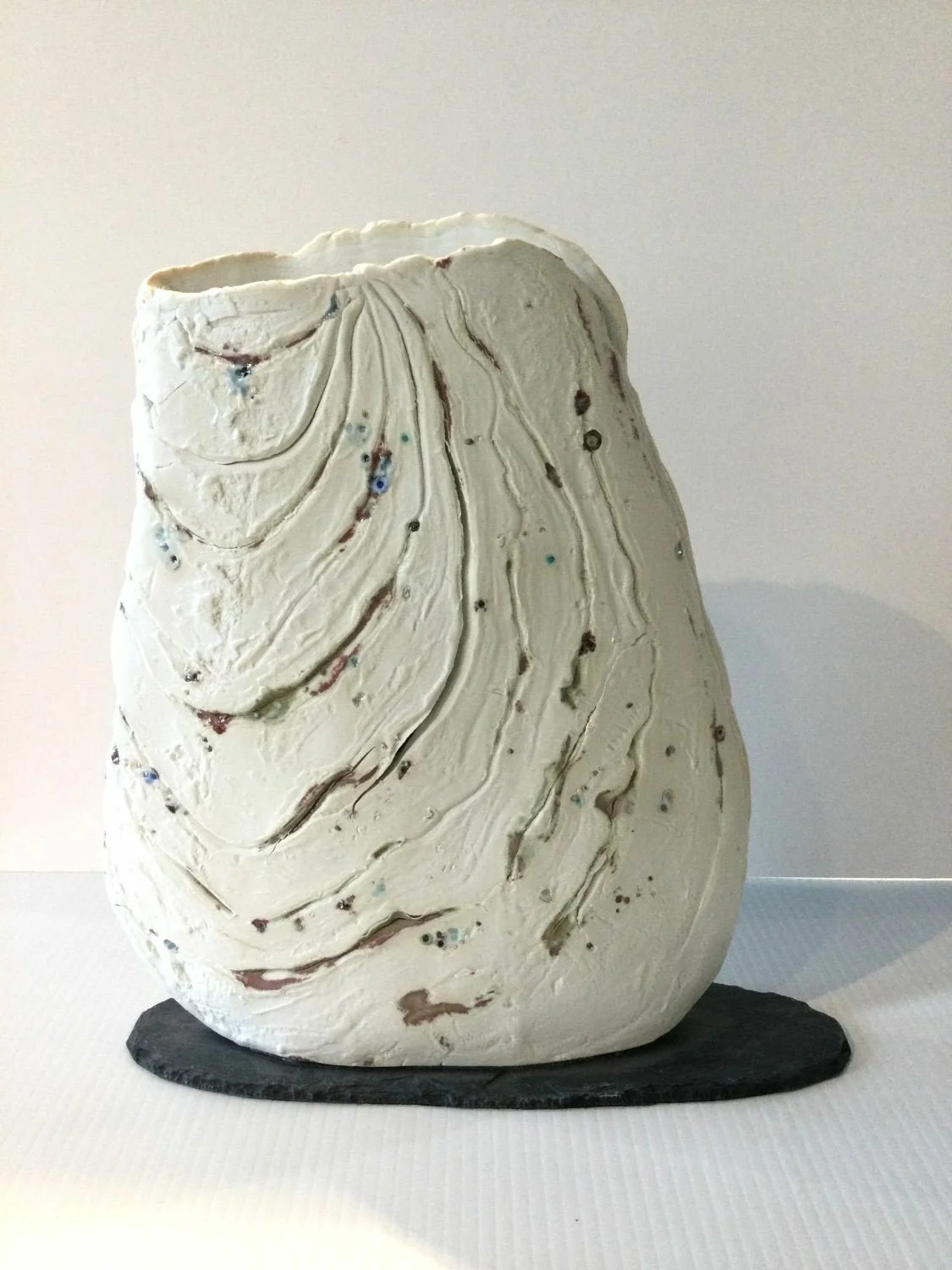
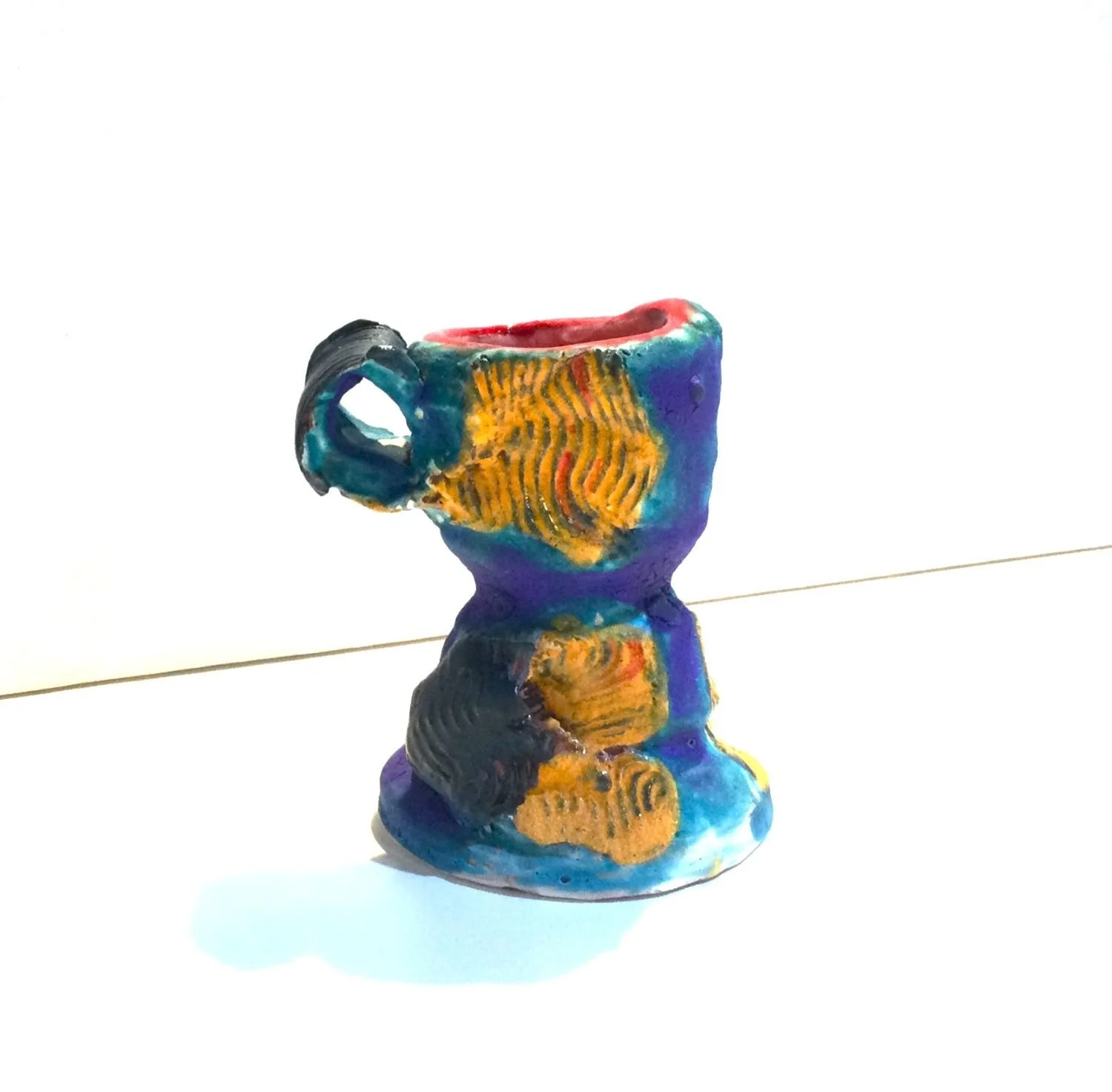
The artist enjoys the interplay of his work with clay and the 3D aspects of our surrounding geography. As we move within our environment, so we interact with his works, taking in all the various viewpoints and responses that involvement in place offers. The forms and glazes of Bradley’s hand-built ceramic pieces incorporate the rhythms and colors of the prairie and the mountains. This artist loves the land and offers us opportunities to take a bit of it home to enjoy and cherish.
Bradley Keys has distinguished himself by developing a popular line of purposeful ceramic work that explores and portrays the atmosphere of the Alberta prairie. He manipulates clays, slips and glaze colors, and adds regional icons such as grain elevators or buffalo, with delicacy and intimacy that come from loving the land.
"Maybe when they're holding something, a mug or a little pot or something, to notice this couldn't have been made in a mold, it really can't be mass produced, which is kind of one of the things I try to go for." (Bradley Keys in "Ceramicist sees fundamental shifts in social interactions" by Dominique Carrier (Rocky Mountain Outlook, 28 August 2008.
Bradley in his studio, 2008.
With his trademark touch of whimsy, Bradley examines the kindred intersections of nature, humans, and our connections to place.
Who has seen the wind? On the prairies, we stand in a sea of wind. The wind touches every aspect of your life. From a cool summer evening breeze that gently rustles the leaves of trembling aspens to a thundering Chinook wind that can change the temperature from minus 20 to plus 20 in an hour, everything on the prairies is connected by the wind. Wind creates some of the most startlingly beautiful skies in the world and dances atop the amber waves of grain. The wind masterfully mixes the blue, grey, greens, and purples of our endless horizons with the tans, amber, rusty reds, and winter wheat of our rolling plains. The wind is the brush on the canvas that is the prairies.
It is through making pots that I strive to connect myself to this place and time. My pots are a constant exploration of form, surface, and glaze. I try to balance these elements to create something that begins to tell a story; a story that is revealed over time through use and mutable observation. Using prairie icons such as the old grain elevators and the buffalo, which are both all but gone, I hope to immediately draw in the viewer so that more subtle elements can reveal themselves. A slightly rippled edge of a bowl that suggests a gentle breeze, the drip of a slip line that looks like a furrowed field and fits your finger just right, or the transition of a glossy to a matte glaze surface that alludes to the shoreline of a slough. These are some of the narrative elements that I am seeking to expose in my work.
Pottery’s unique place in our cultural milieu captured my interest right away. It has the enviable ability to be imbued with meaning and then place itself in the closest possible relationship to the viewer, in their homes and as a functioning part of their lives. Through use it dispenses meaning over time, often becoming more meaningful the longer the pot is used and appreciated. It adds warmth, comfort, and meaning to our daily rituals and our most important traditional festivities. In doing so, the circle is complete. The hand and mind of the maker are linked to the hands and minds of the user.
1992-1994 Alberta College of Art and Design (BFA with Distinction).
1990-1992 Nova Scotia College of Art and Design.
1985-1989 University of Calgary, B.Sc. in Zoology.