
Jim Etzkorn
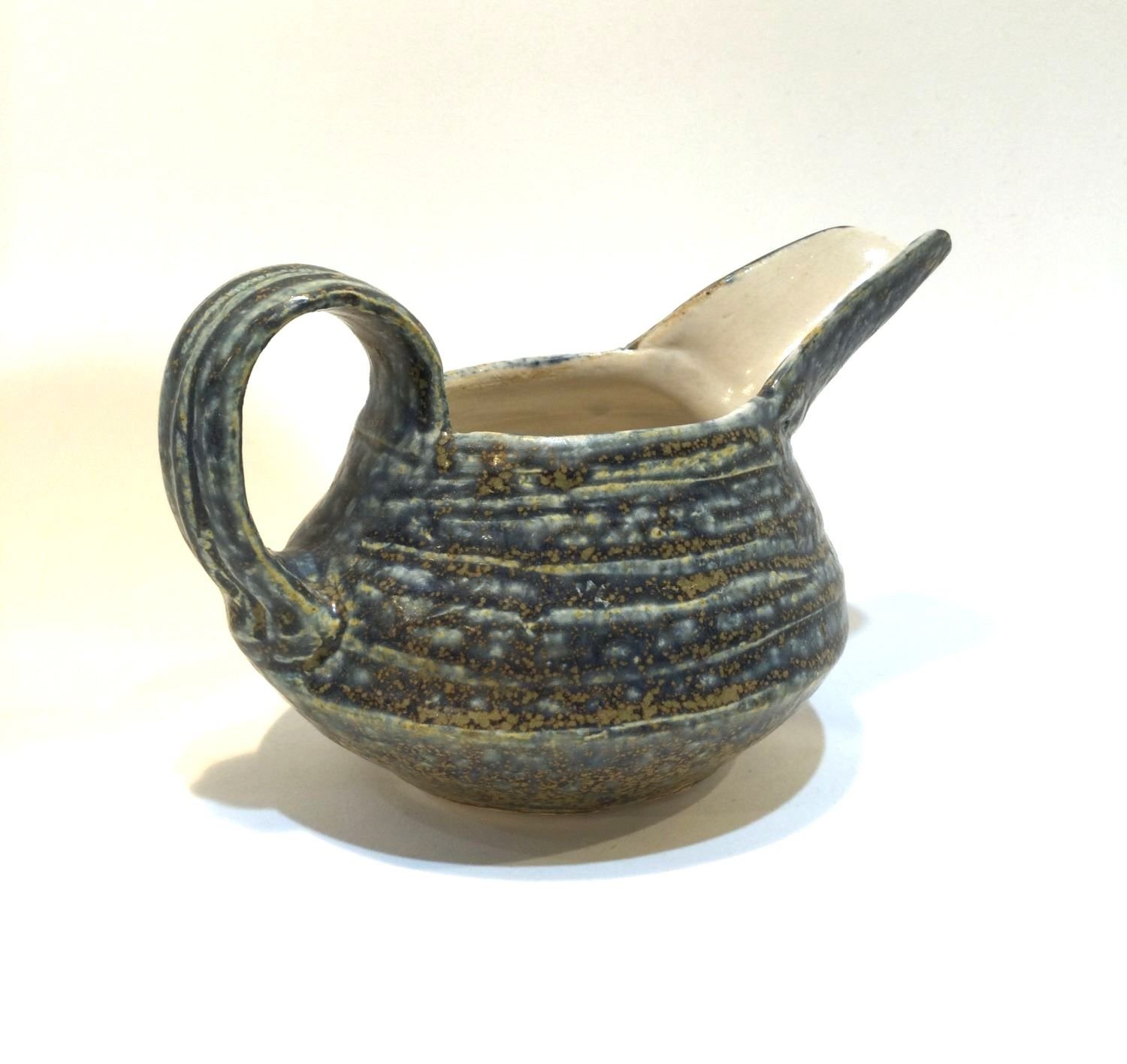
Small Gravy Boat (#26.6.27), 2026, reduction fired porcelain, 4 x 4 x 5.5 inches (10 x 10 x 14 cm), $35 Cdn.
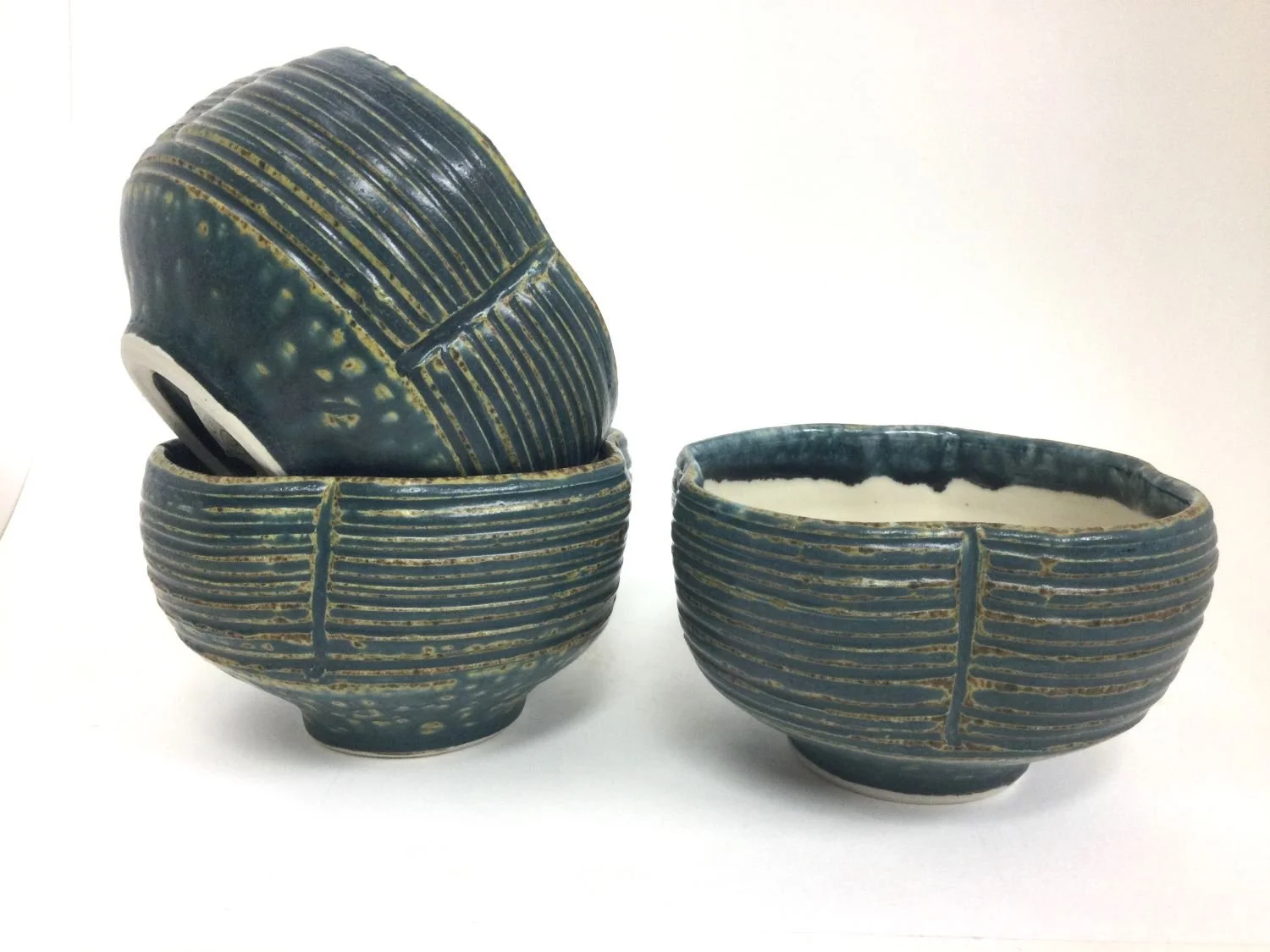
Wavy Reduction Fired Medium Sized Bowls (#26.6.33abc), 2026, reduction fired porcelain, 2.75 x 4.5 inches (7 x 11 cm) $40 Cdn each
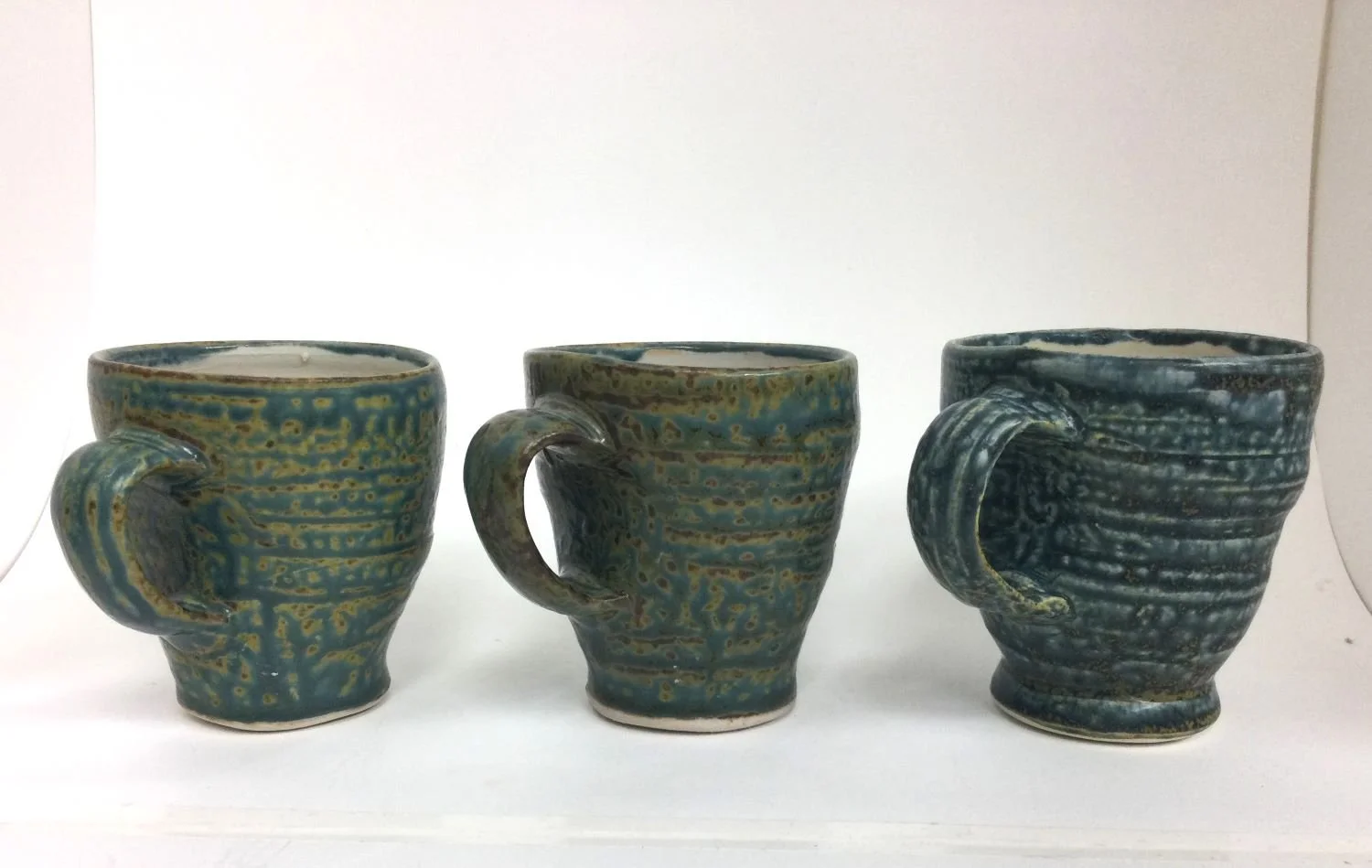
Reduction Fired Espresso Cups (#26.6.35ijk), 2026, reduction fired porcelain, 3.5 inches (9 cm) high, $35 Cdn each. (K sold)
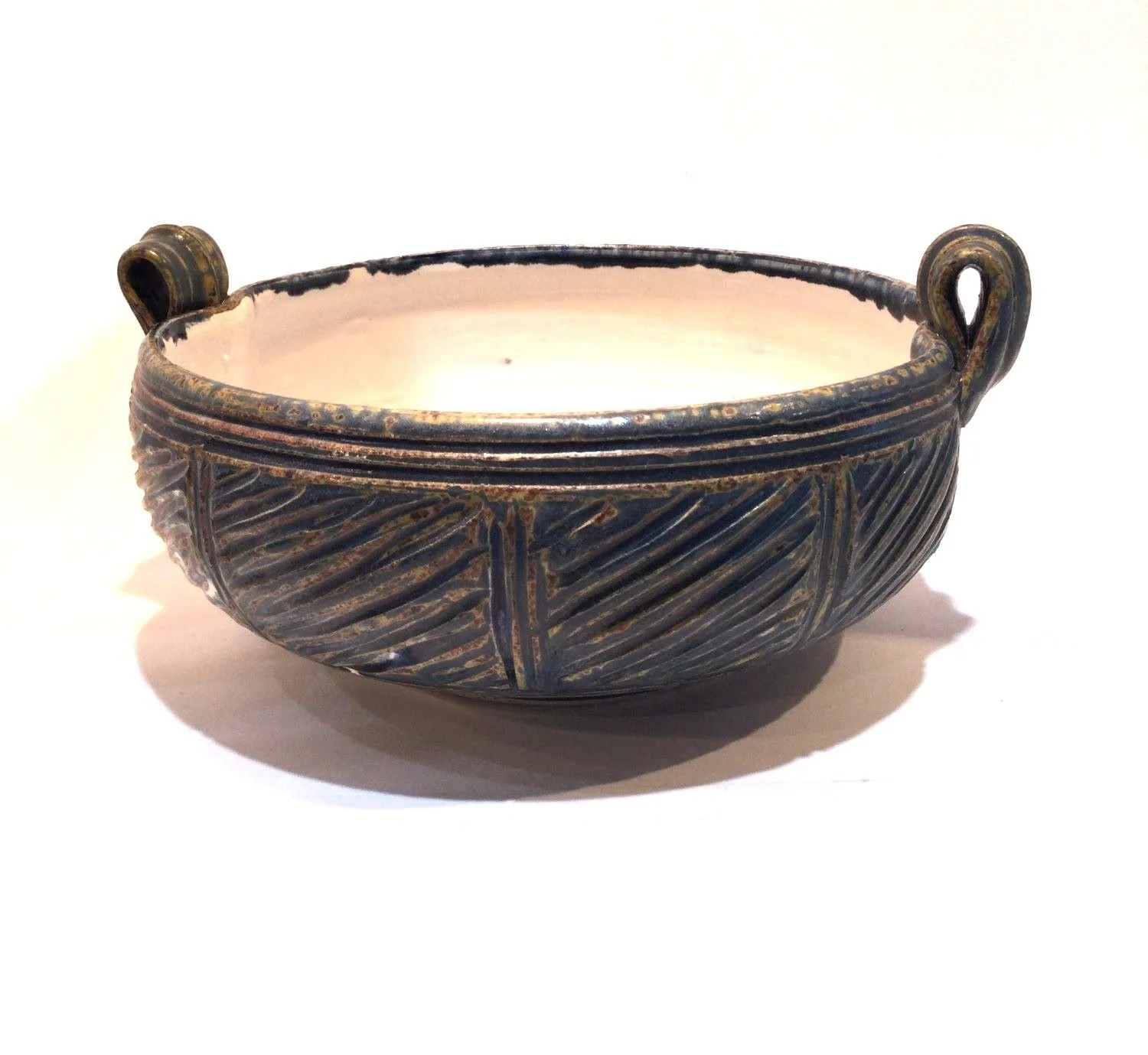
Reduction Fired Serving Bowl (#26.6.13), 2026, reduction fired porcelain, 4 x 8.5 x 7.5 inches (10 x 21.5 x 19 cm), $110 Cdn.
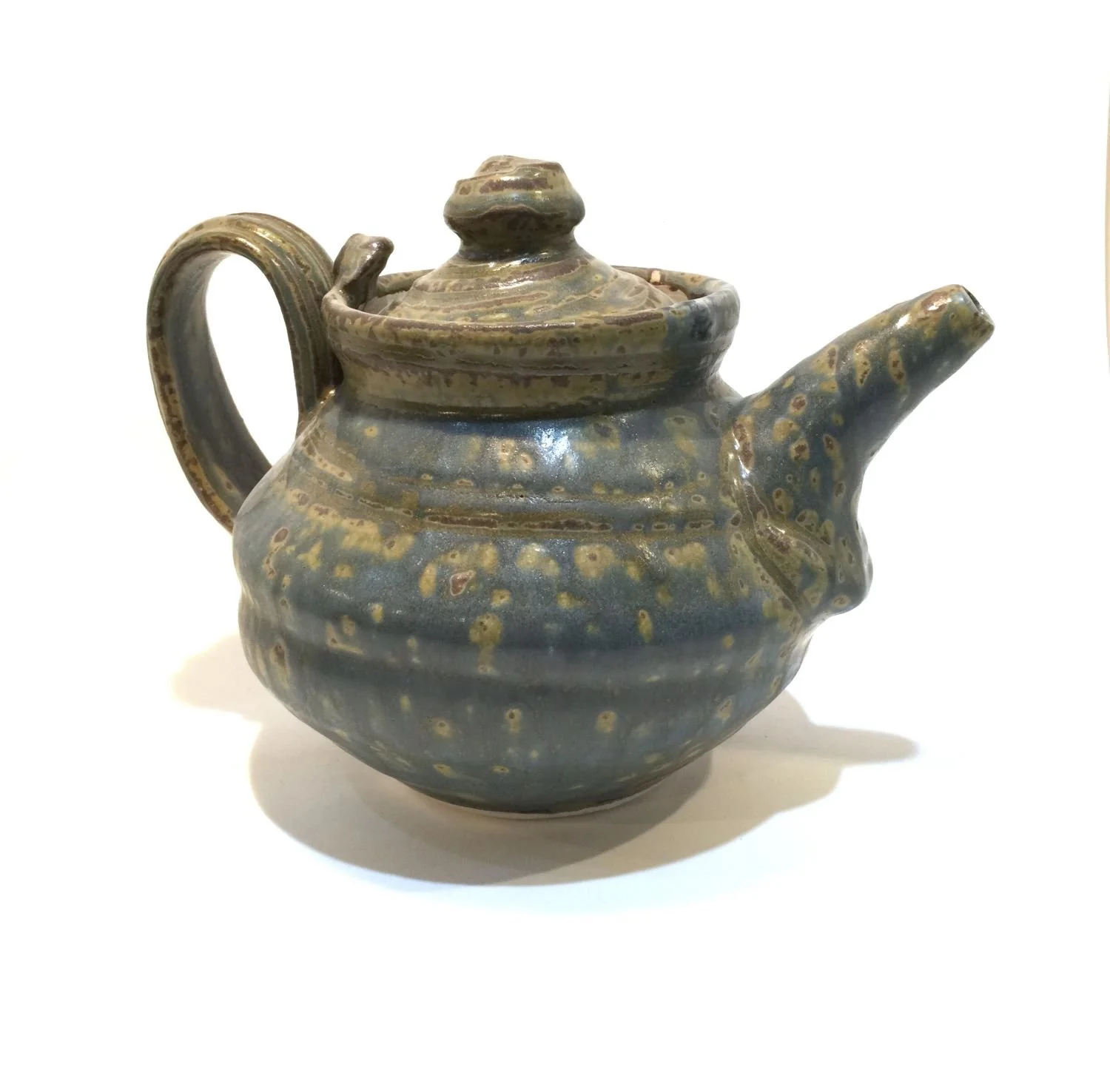
Reduction Fired Teapot (#26.6.25), 2026, reduction fired porcelain, 6 x 8 x 5.5 inches (15 x 20.5 x 14 cm), $120 Cdn.
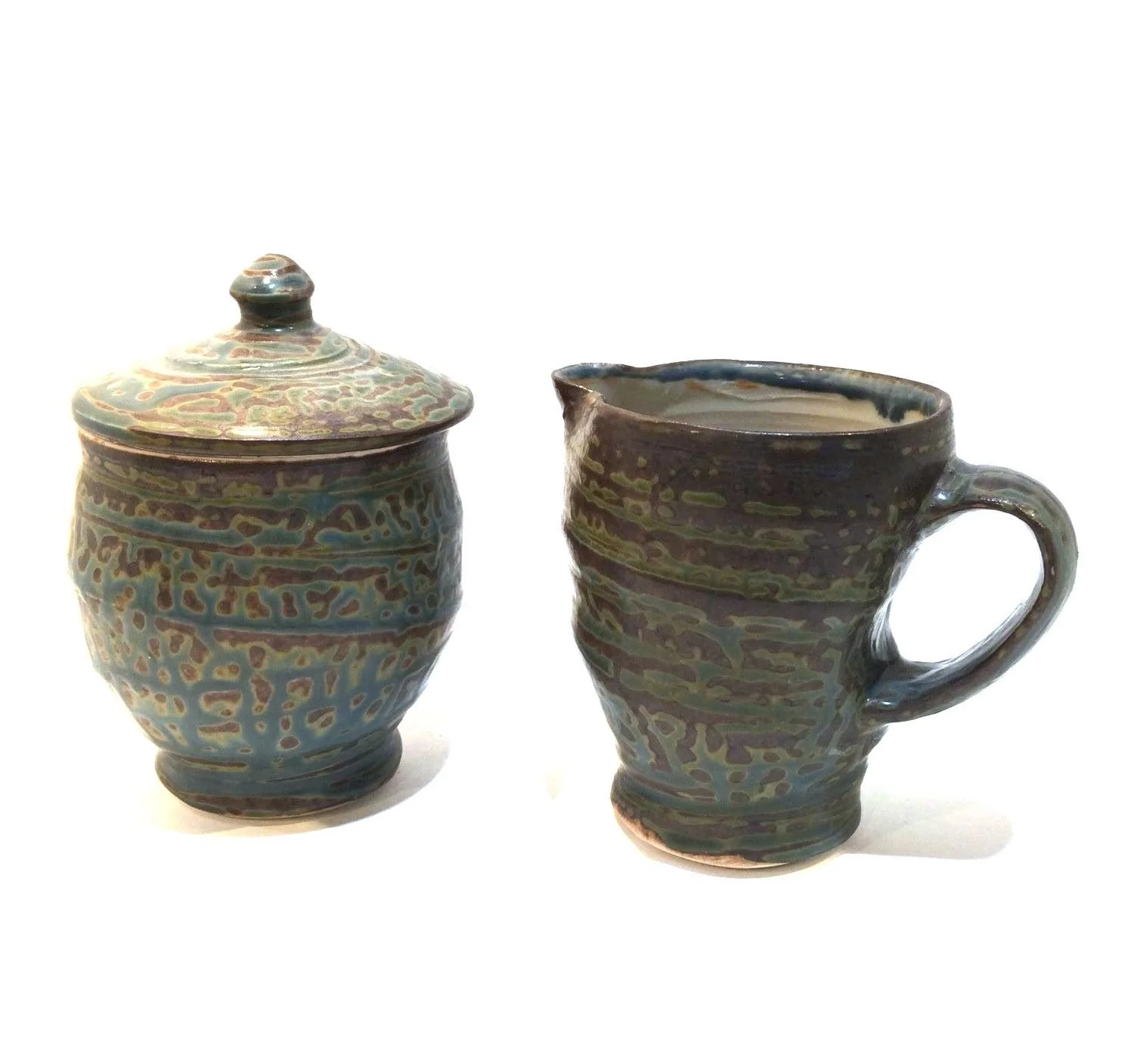
Reduction Fired Cream and Sugar Set (#26.6.31), 2026, reduction fired porcelain, 5.5 inches (14 cm) high, $60 Cdn (set of 2).
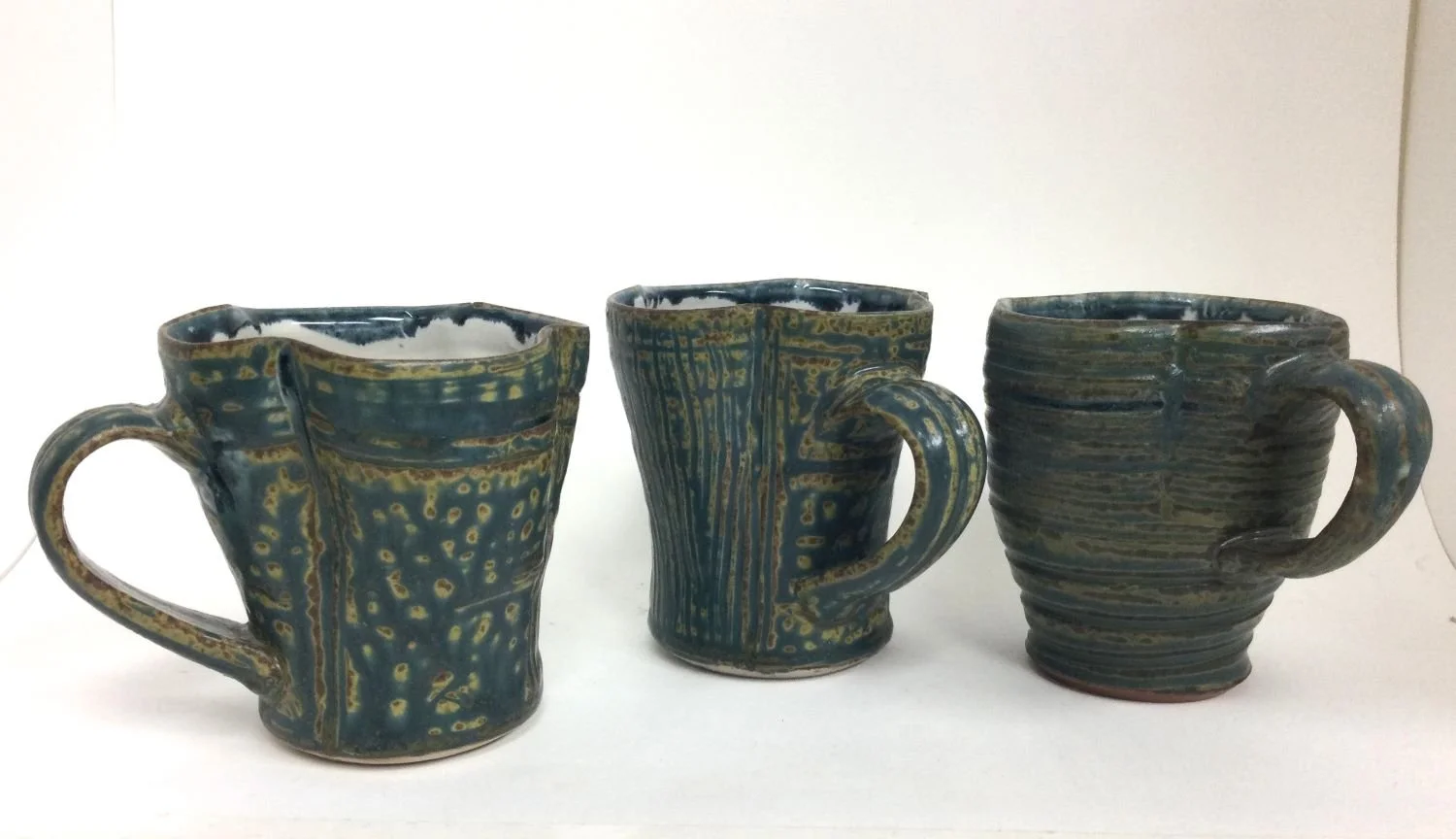
Wavy Reduction Fired Espresso Cups (#26.6.35bcd), 2026, reduction fired porcelain, 3.5 inches (9 cm) high, $35 Cdn each.
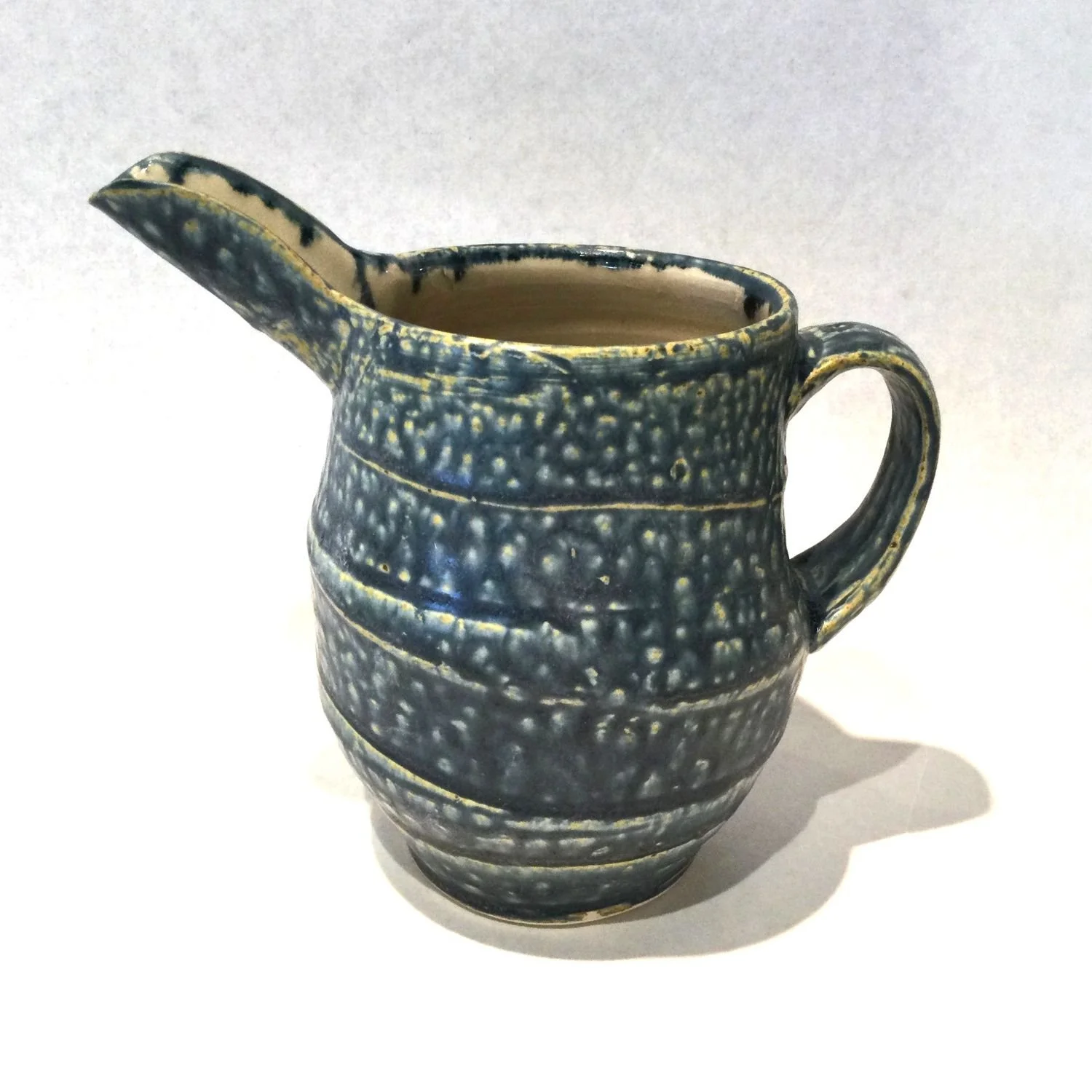
Reduction Gravy Boat (#25.7.5), 2025, reduction fired porcelain, 6.25 x 7 x 4.5 inches (16 x 18 x 11.5 cm), $60 Cdn.
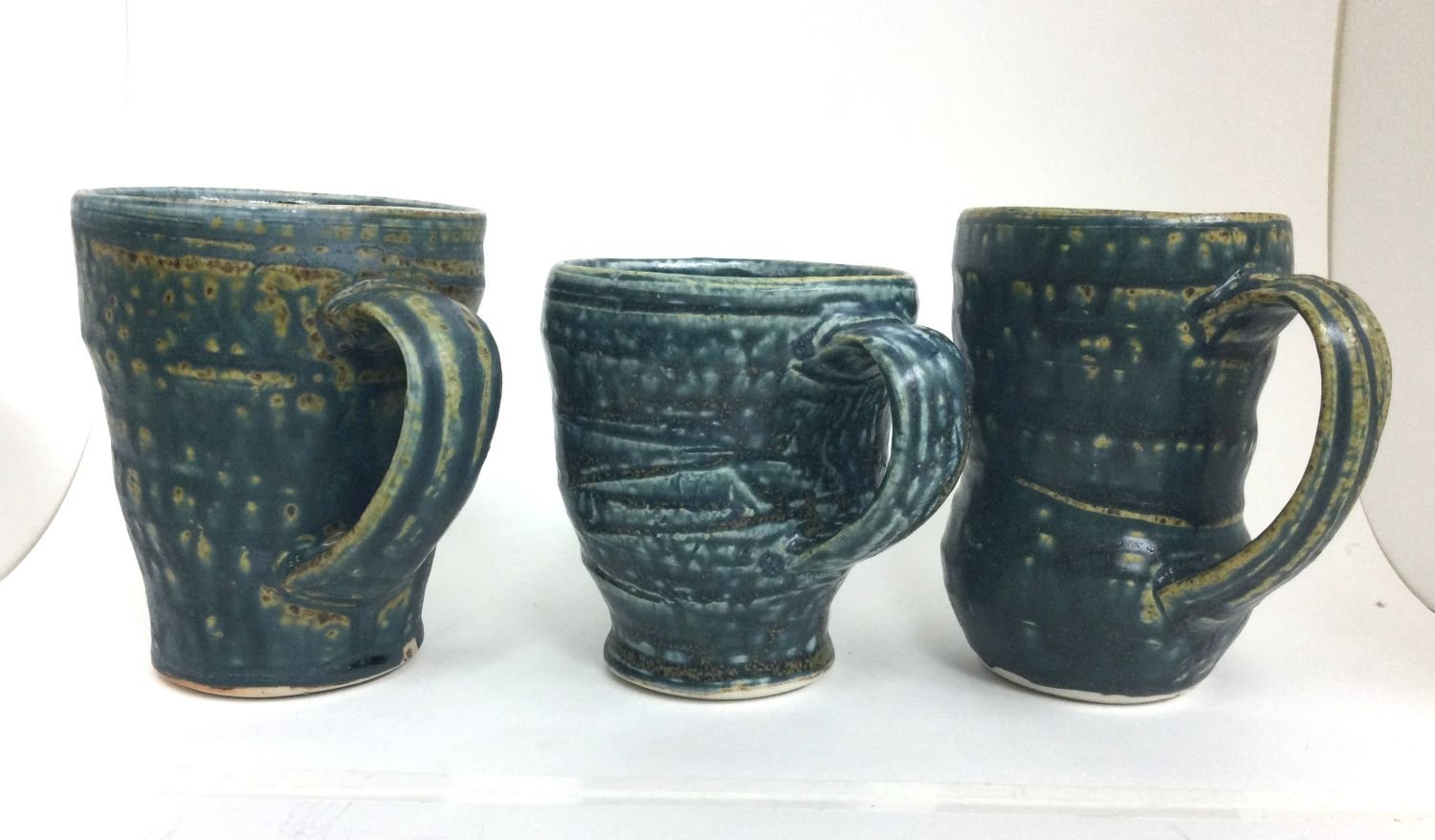
Reduction Fired Medium Sized Mugs (#26.6.36rsz), 2026, reduction fired porcelain, 4.5 x 4 x 3.25 inches (11.5 x 10 x 8.5 inches) $45 Cdn each
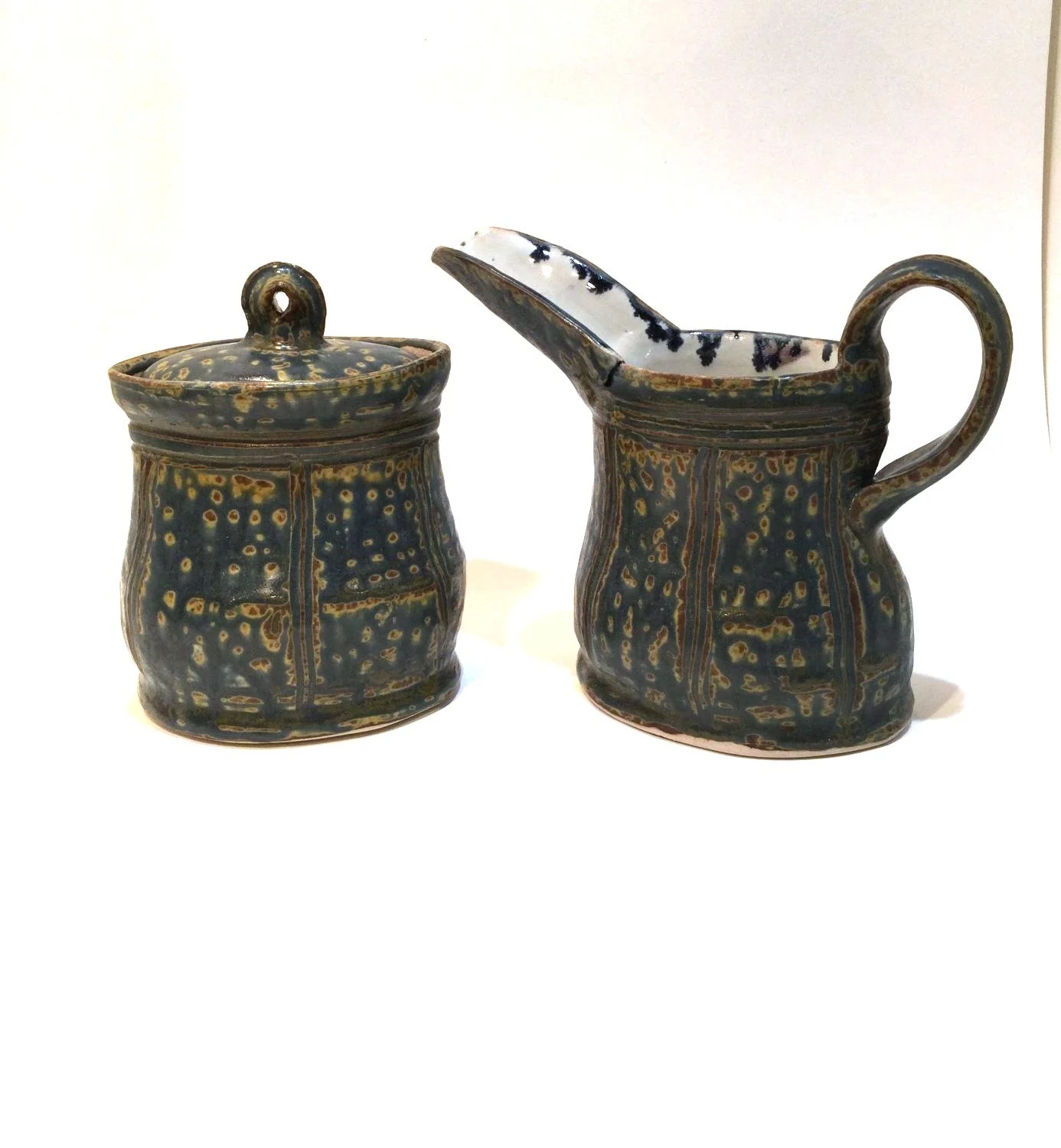
Reduction Fired Cream and Sugar Set (#26.6.29), 2026, reduction fired porcelain, 5.5 inches (14 cm) high, $90 Cdn (2 pce set)
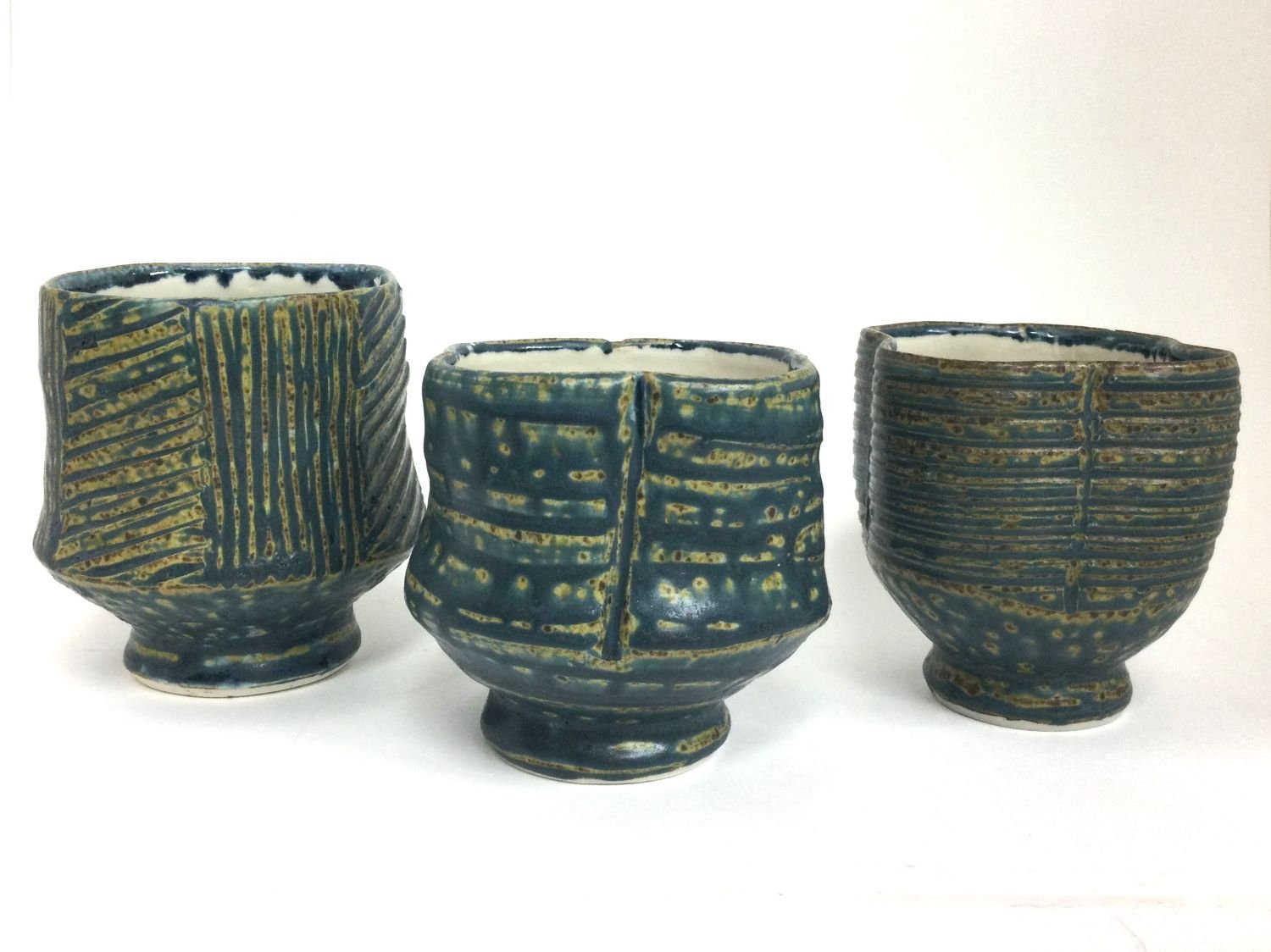
Reduction Fired Tea Bowls (#26.6.34abc), 2026, reduction fired porcelain, 4 - 3.5 inches (10 - 9 cm) high, $40 Cdn each
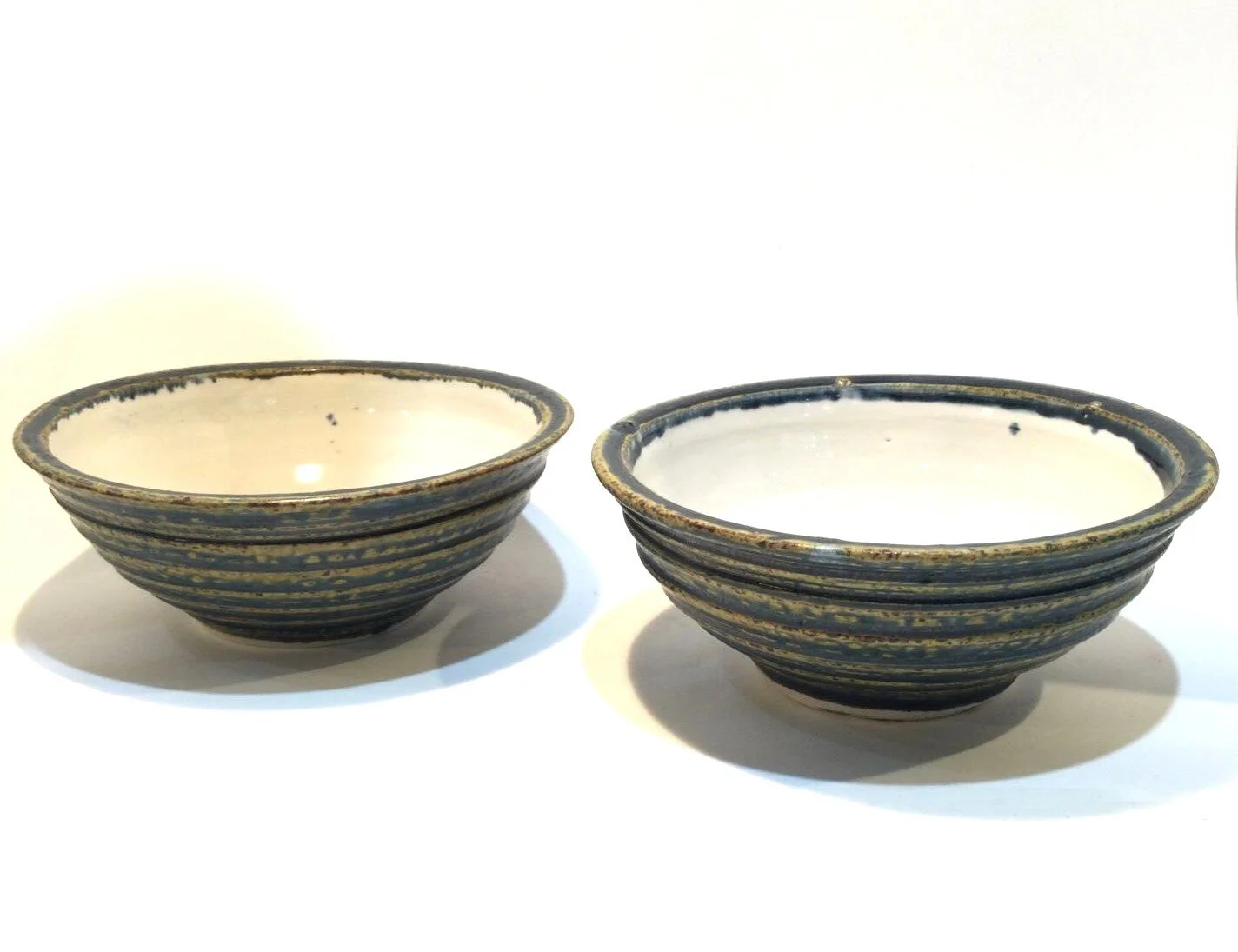
Small Reduction Bowls (#26.6.19AB), 2026, reduction fired porcelain, 2.5 x 5.25 inches (6.5 x 13 cm), $35 Cdn each
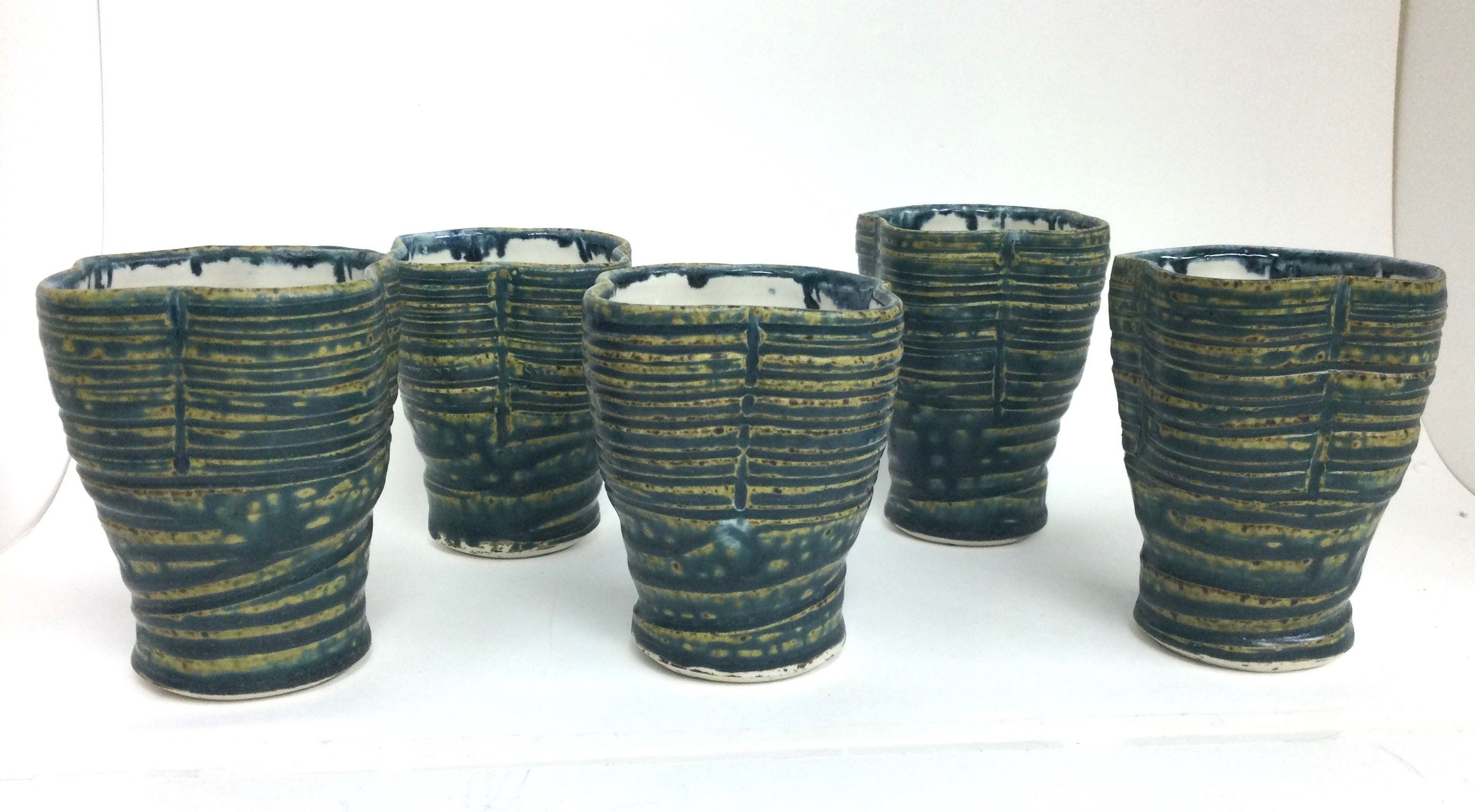
Reduction Shot Glasses (#26.6.32g-k), 2026, reduction fired porcelain, 3.5 x 2.75 inches (9 x 7 cm), $25 Cdn each
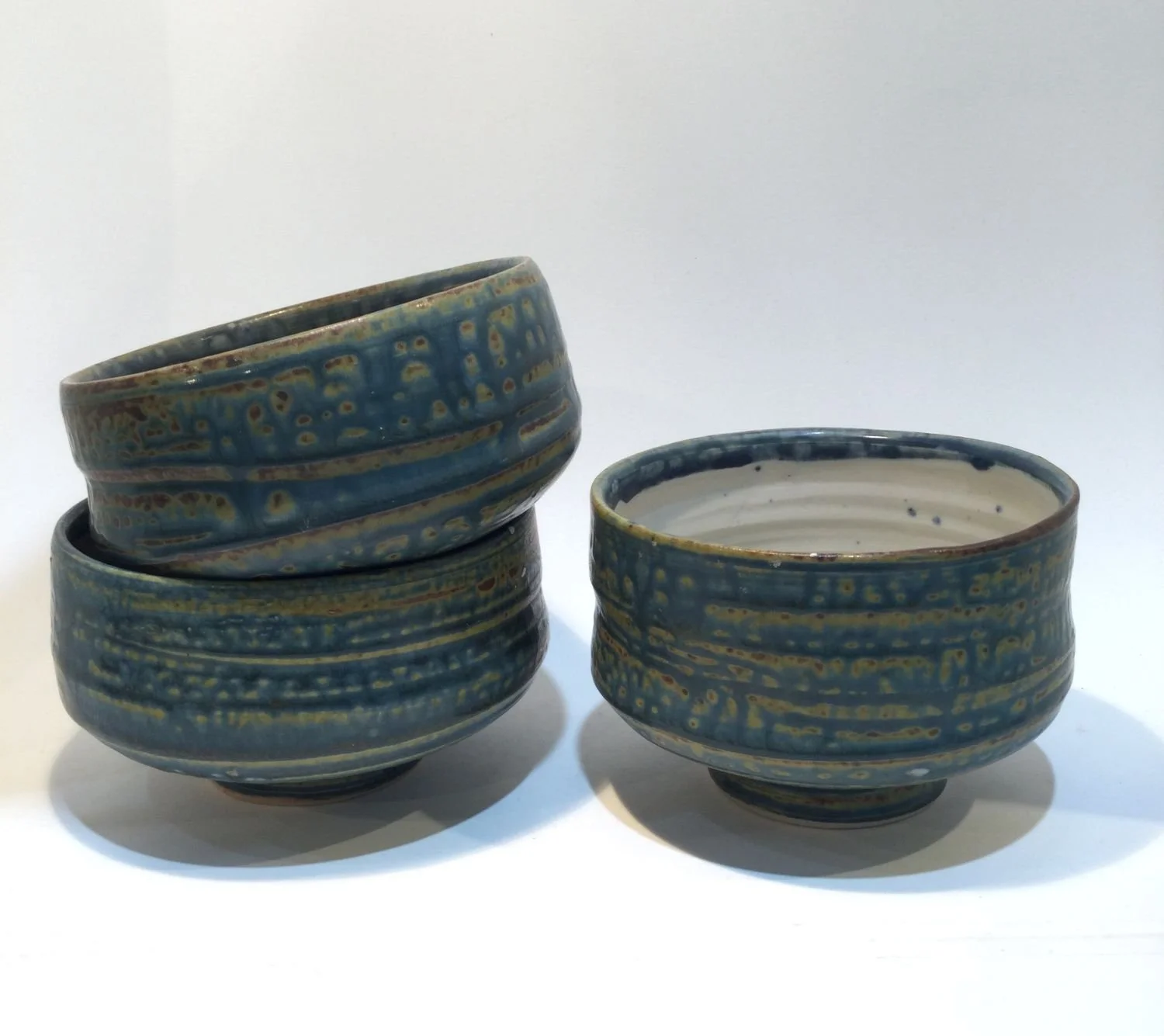
Medium Reduction Fired Bowls (#26.6.33AC), 2026, reduction fired porcelain, 2.75 x 4.5 inches (7 x 11 cm), $45 Cdn each (#2 & 3 available, #1 sold)
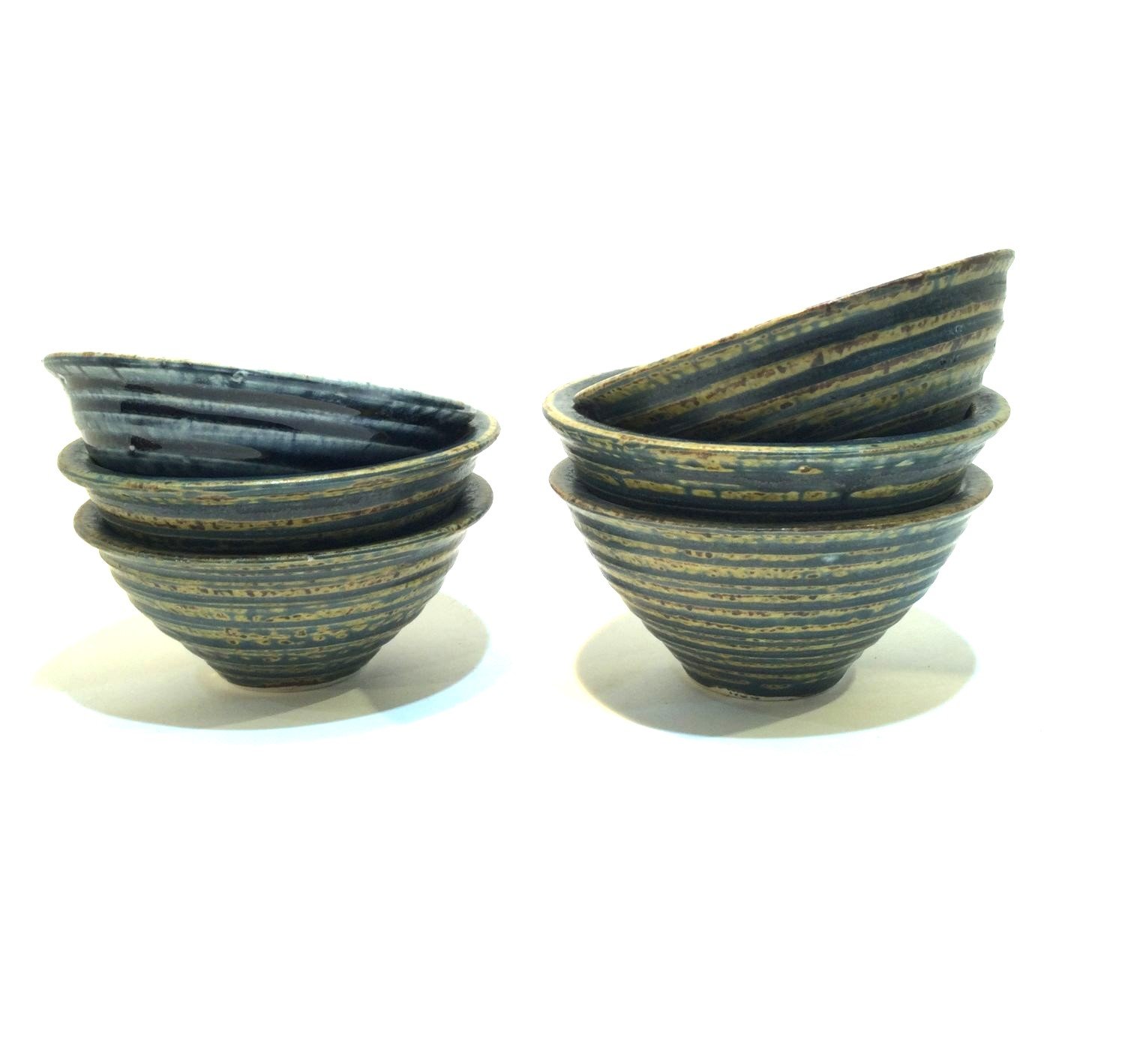
Small Reduction Dipping Dishes (#26.6.20ABCE), 2026, reduction fired porcelain, 2 x 3.75 inches (5 x 9 cm), $25 Cdn. each (#2, 3, 4, 5 available, #1 & 6 sold)
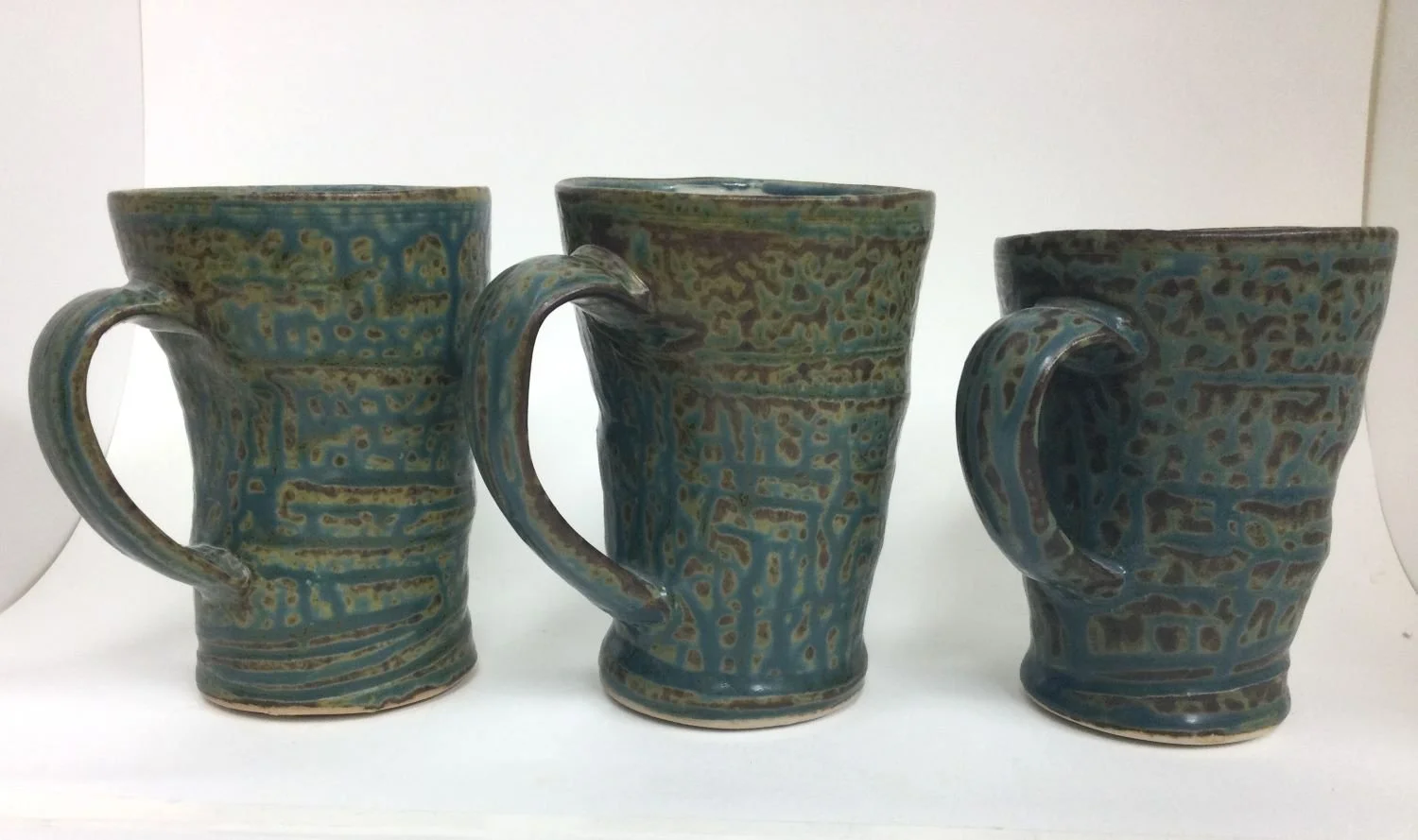
Reduction Fired Medium Sized Mugs (#26.6.36tuy), 2026, reduction fired porcelain, 4.5 x 4 x 3.25 inches (11.5 x 10 x 8.5 inches) $45 Cdn each (#1-t available), #2,3 sold).
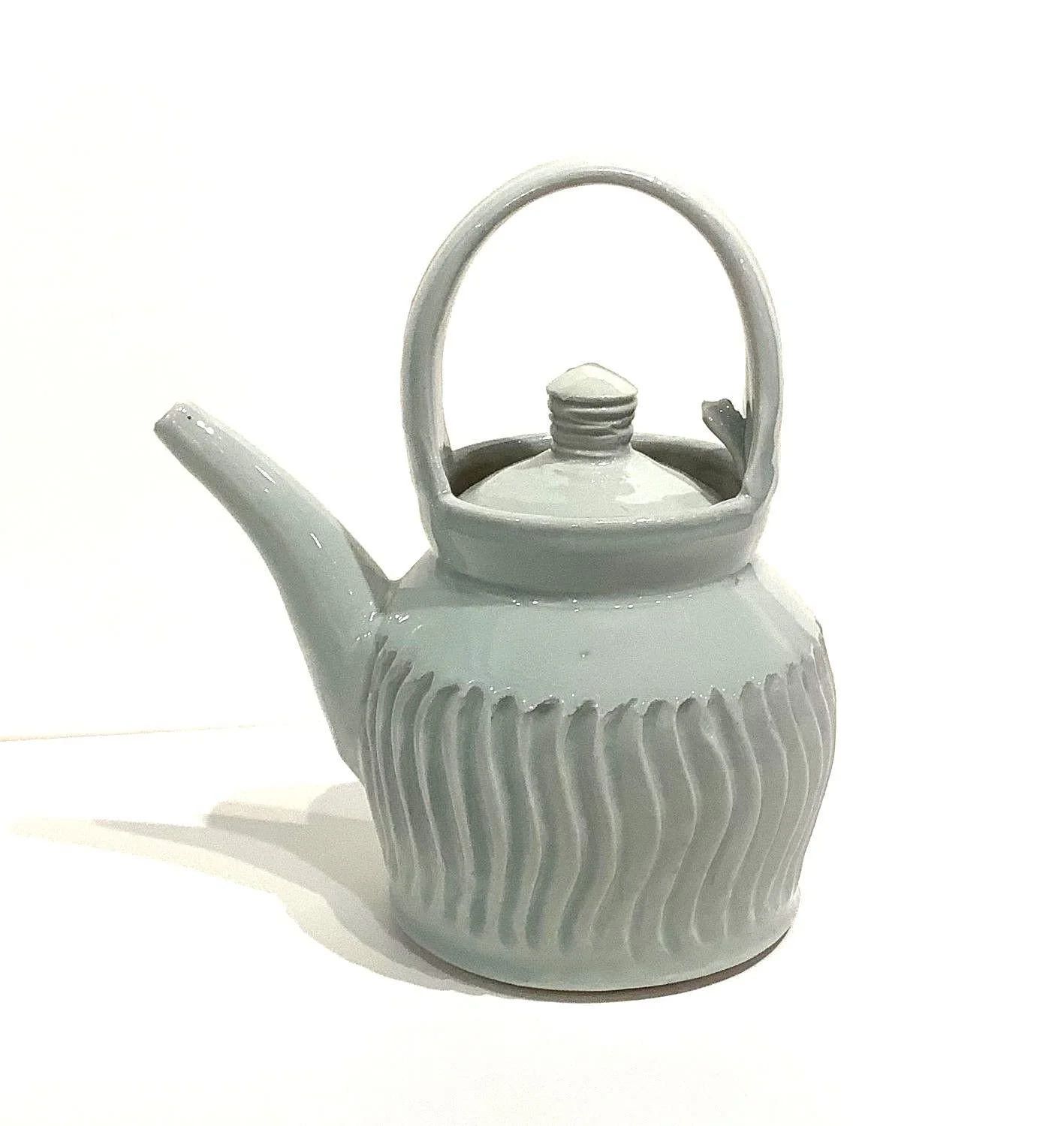
Celadon Teapot (#24.11.53), 2024 , porcelain, 9.25 x 7.5 x 4 inches (23.5 x 49 x 10.2 cm) $110 Cdn.
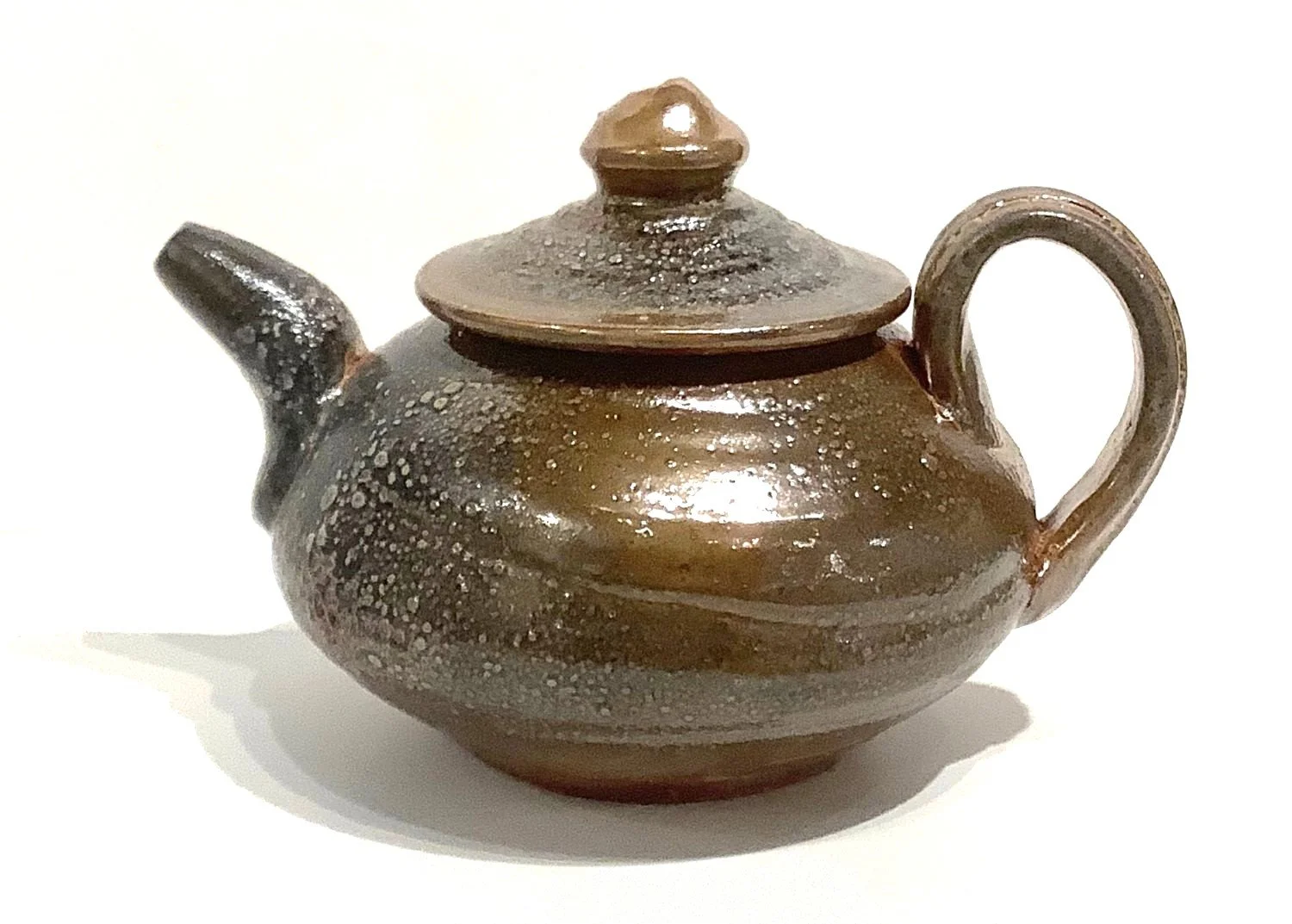
Soda Fired Teapot (#24.11.60), 2024, porcelain, 5.5 x 8.25 x 6.25 inches (14 x 20.6 x 15.9 cm), $110 Cdn.
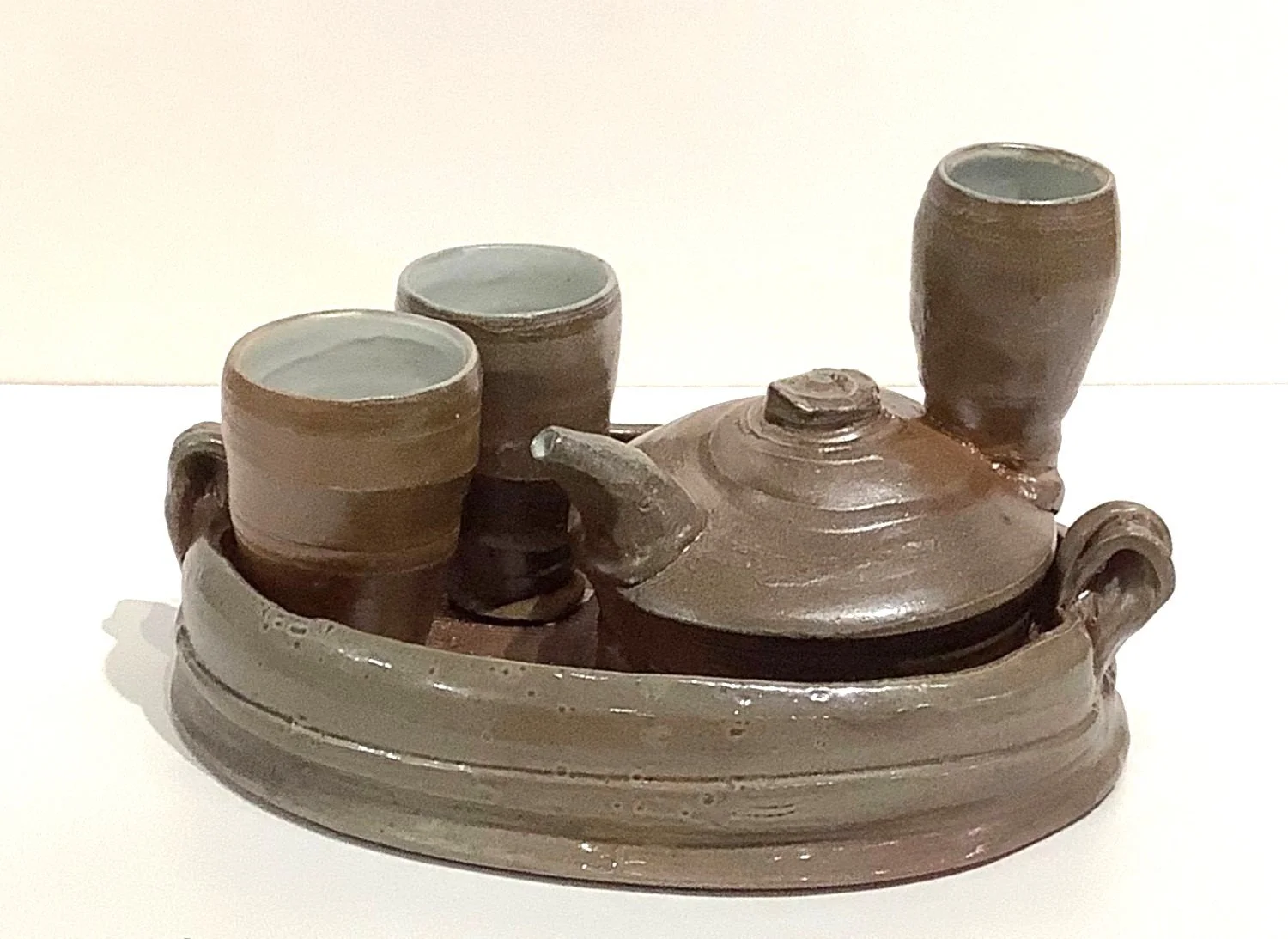
Porcelain Saki Set (4 pieces) (#24.11.62), 2024, 8 x 5.75 x 5.75 inches (20 x 14.5 x 14.5 cm), $110 Cdn.
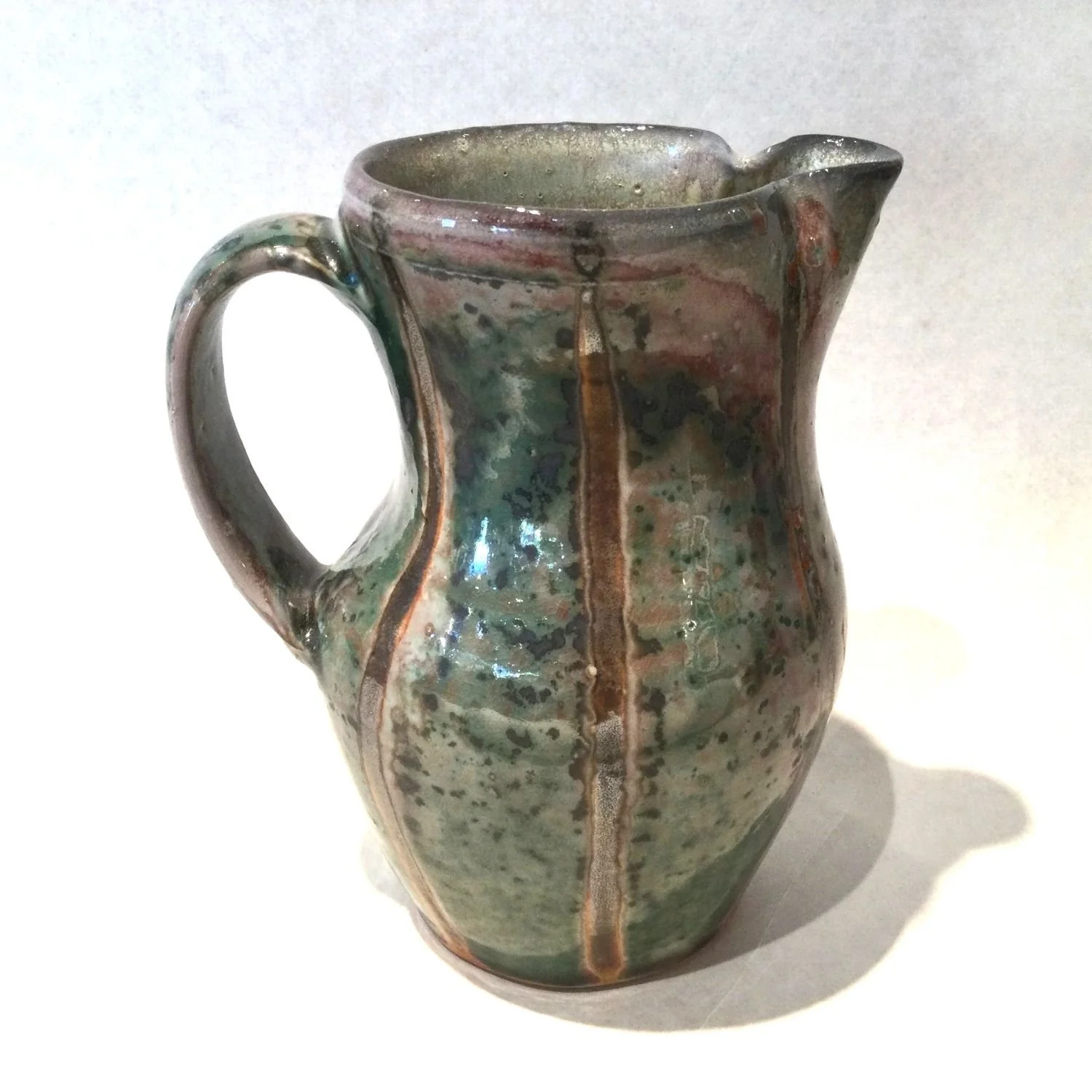
Striped Toward Copper Red Pitcher (#25.7.2), 2025, porcelain, 6.5 x 6 x 5.75 inches (16.5 x 15 x 14.5 cm), $75 Cdn.
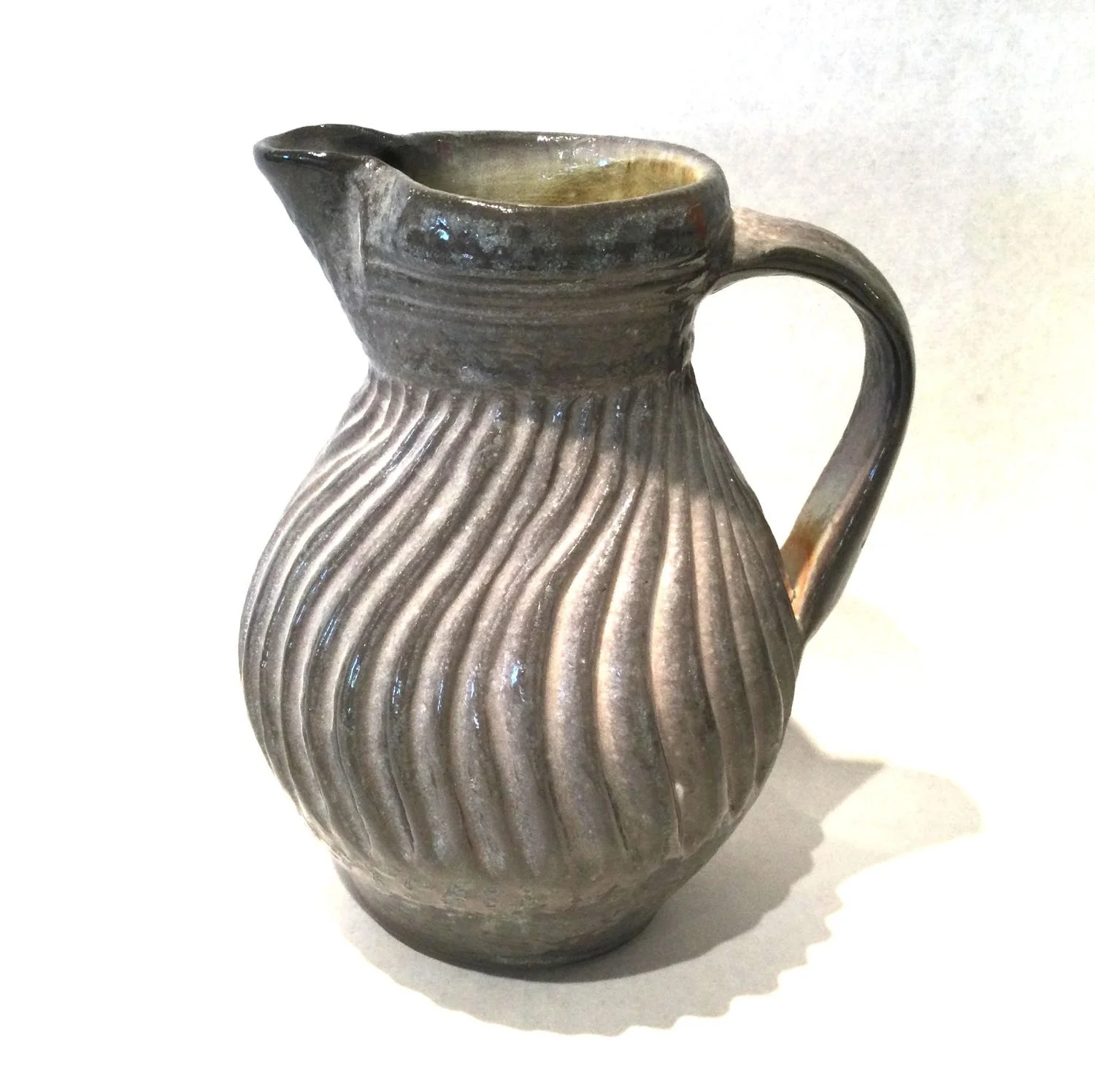
Wavy Pitcher (#25.7.4), 2025, carved porcelain, 7.25 x 5.75 x 5 inches (18.5 x 14.5 x 12.5 cm), $75 Cdn.
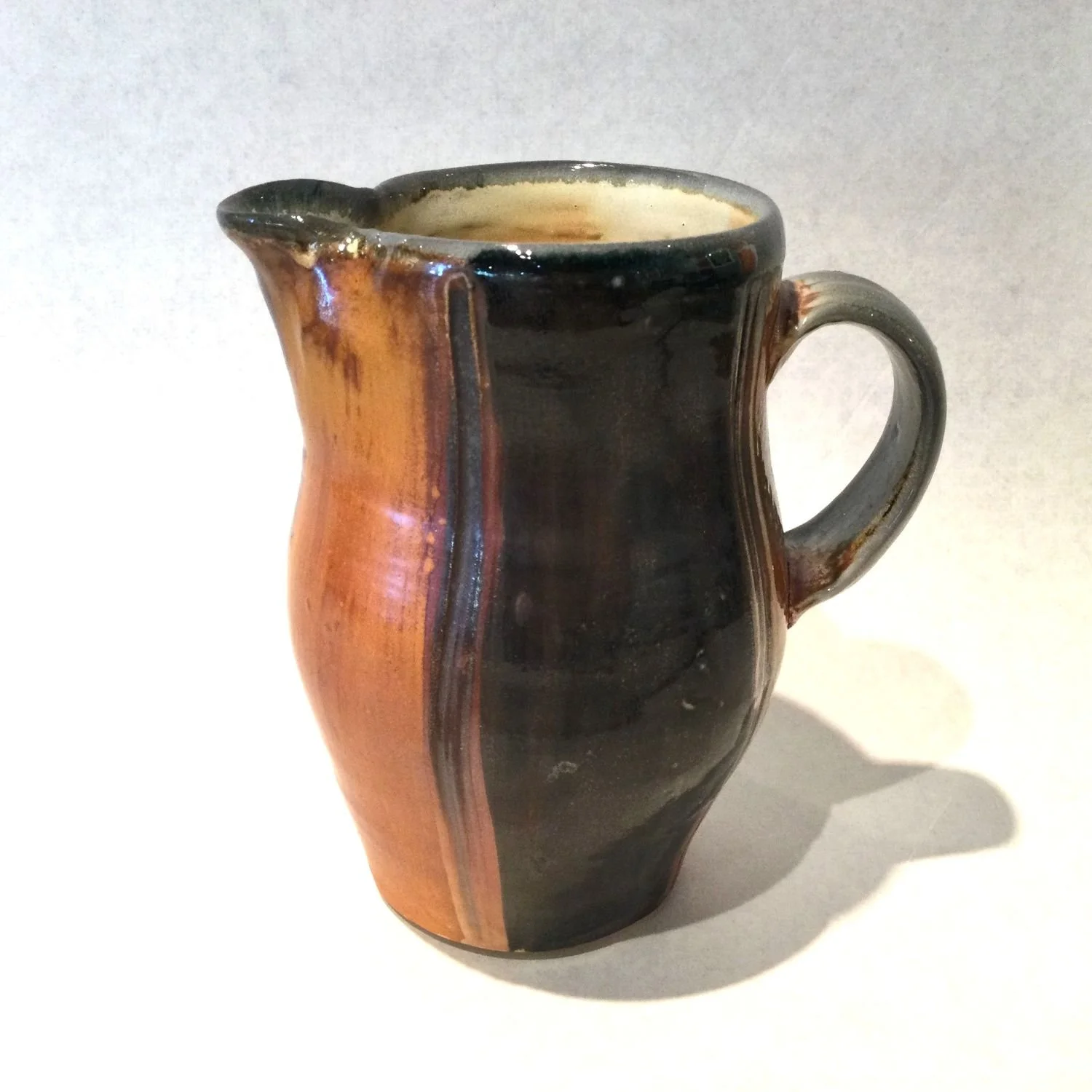
Furrowed Earth Pitcher (#25.7.3), 2025, porcelain, 6 x 5.5 x 4.25 inches (15 x 14 x 10.5 cm) $75 Cdn
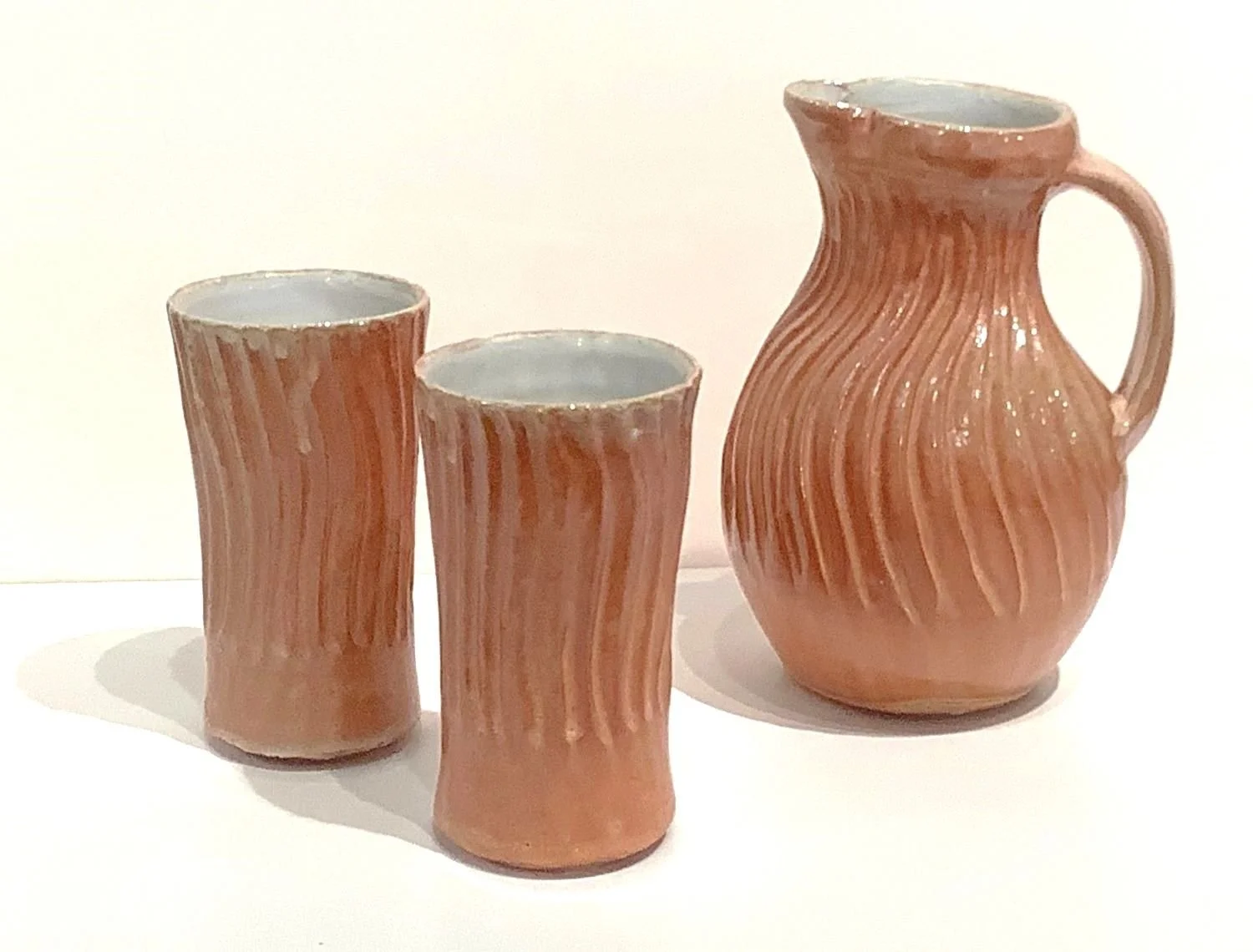
Wave Pitcher and Tumblers (#24.11.40A), 2024, carved porcelain, 8 x 5.5 inches (20.5 x 14 cm) plus 5.5 inch (14 cm) high tumblers, $70 Cdn and tumblers at $40 Cdn each.
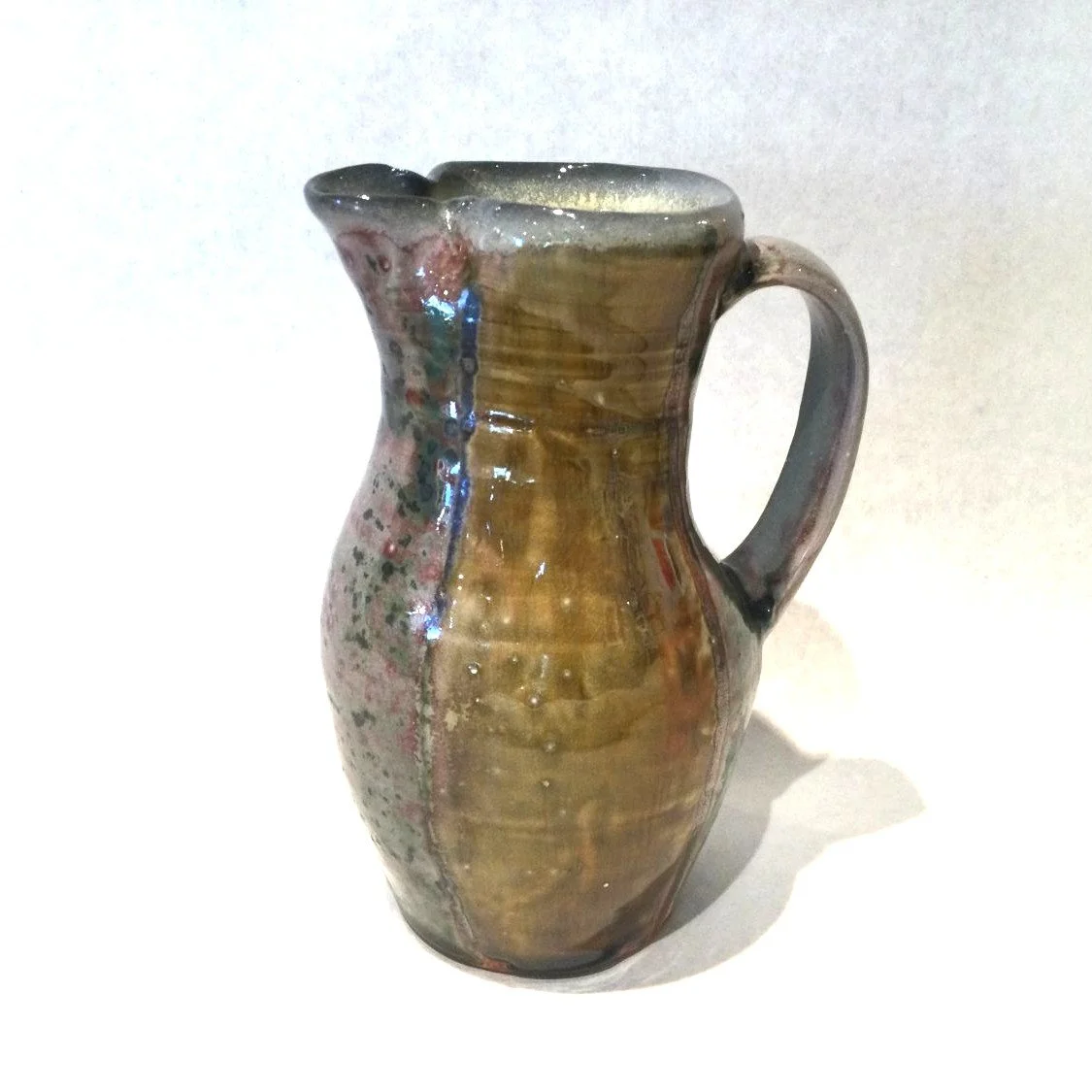
Toward Copper Red Pitcher (#25.7.1), 2025, porcelain, 7.5 x 5.5 x 4.25 inches ( 18.5 x 14 x 11 cm), $75 Cdn.
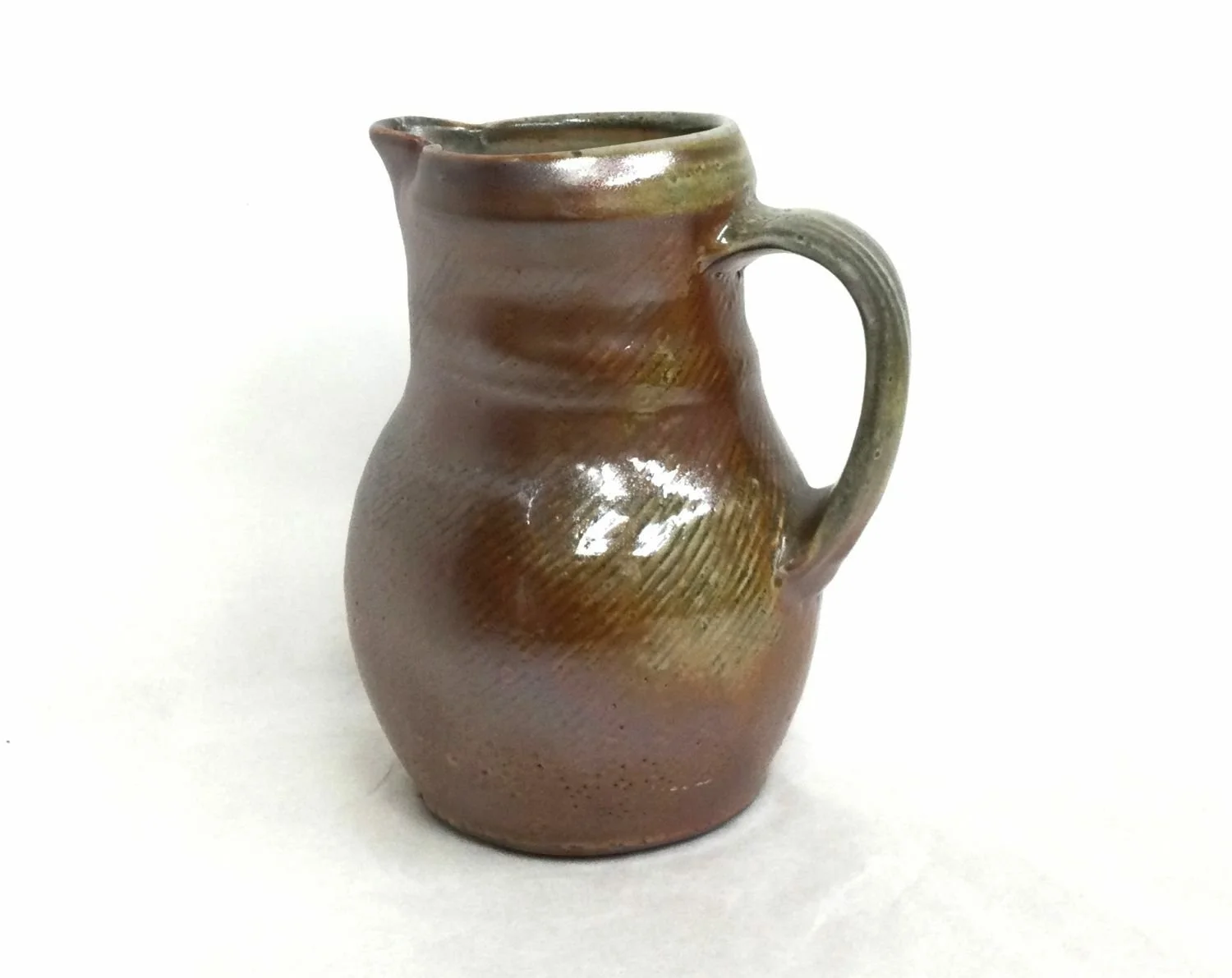
Little Brown Shino Jug (#25.2.7), 2025, porcelain, 6 x 5 x 3.5 inches (15 x 12.5 x 9 cm), $45 Cdn.
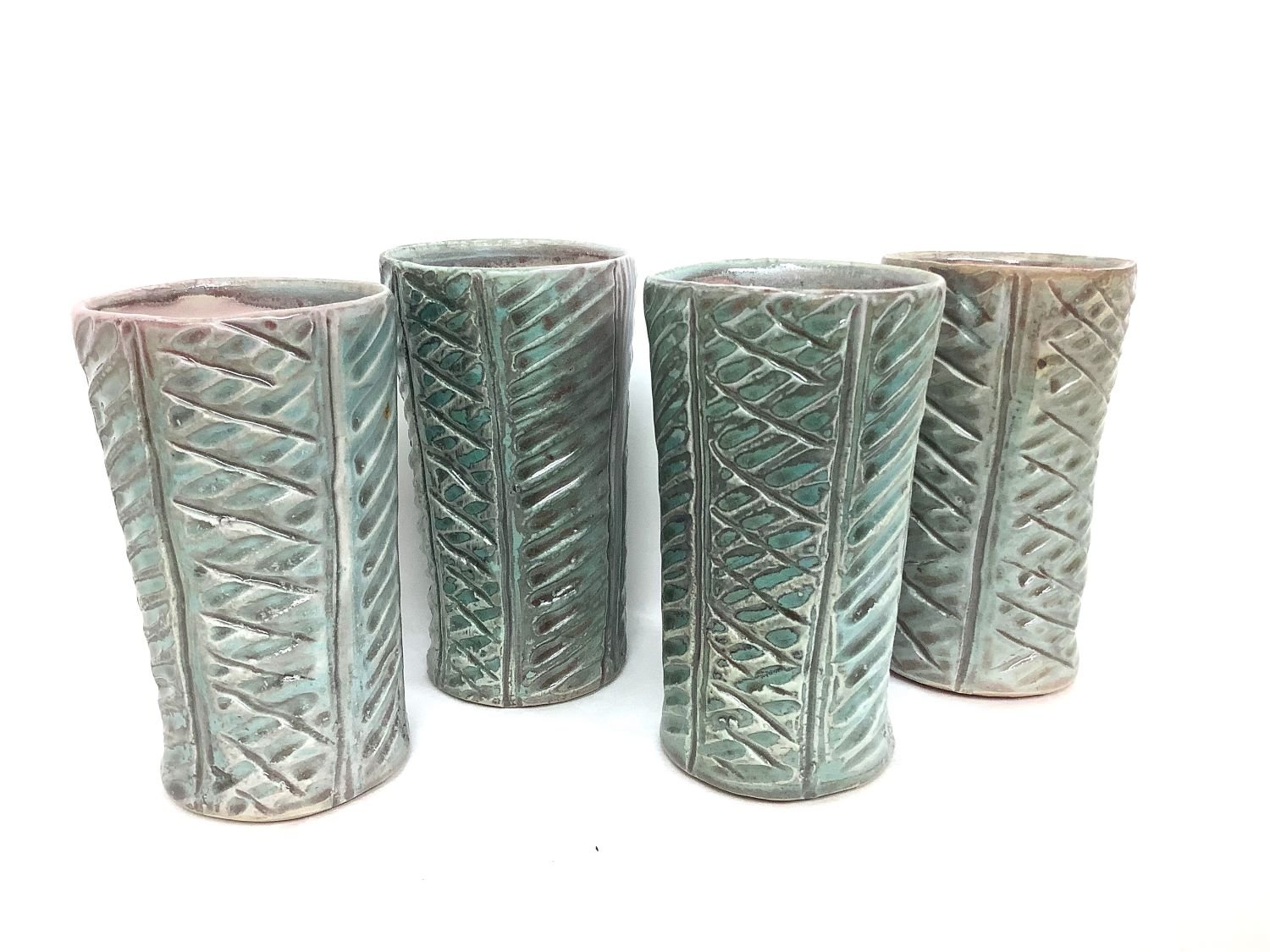
Copper Red / Celadon Tumblers (available 24.7 - 2nd from left), porcelain, average 5.25 inches (13.5 cm) high, $40 Cdn (one available).
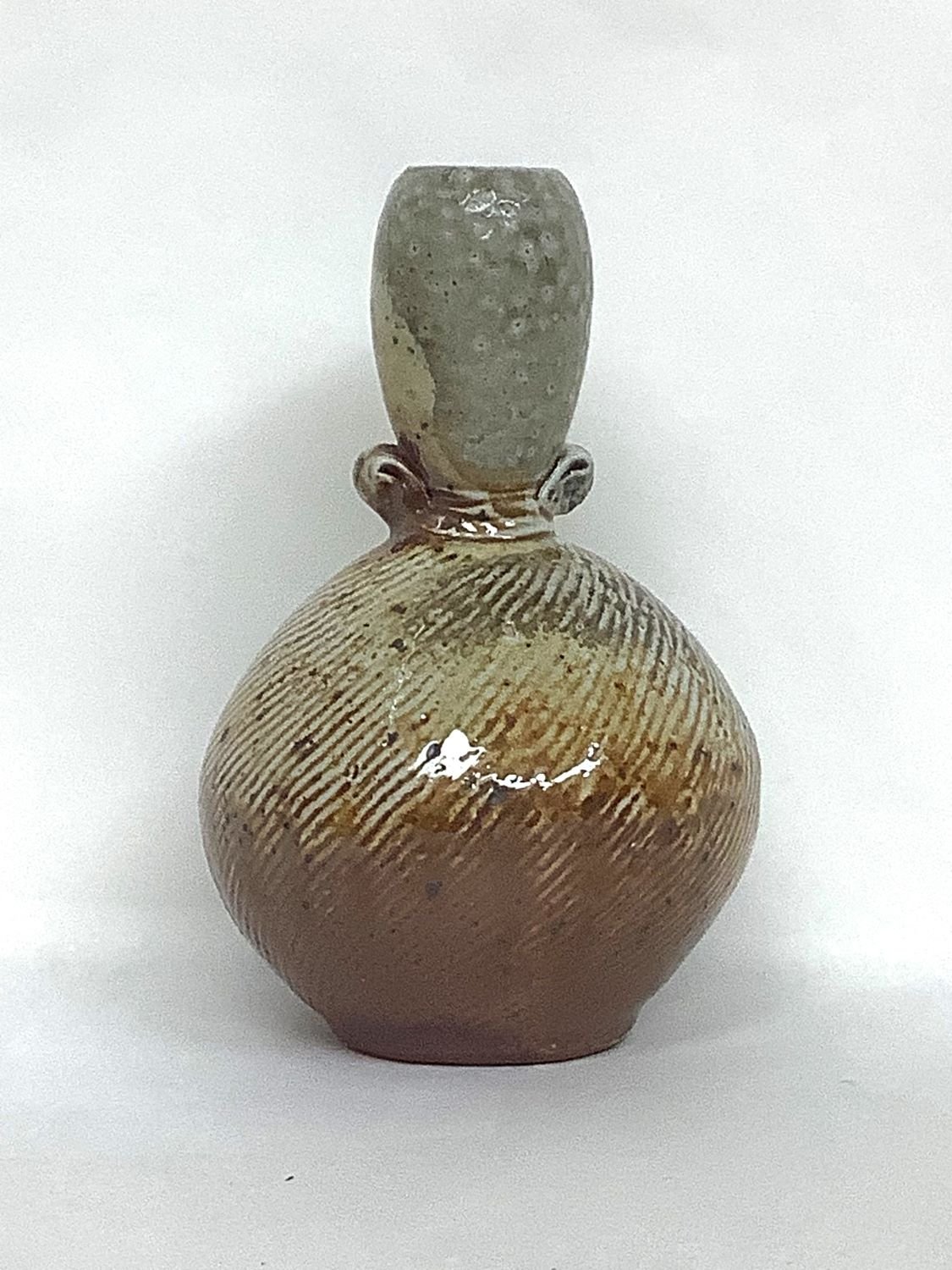
Small Soda-Fired Bud Vase (24.49), porcelain, 6.5 x 4 inches (16.5 x 10 cm), $70 Cdn.
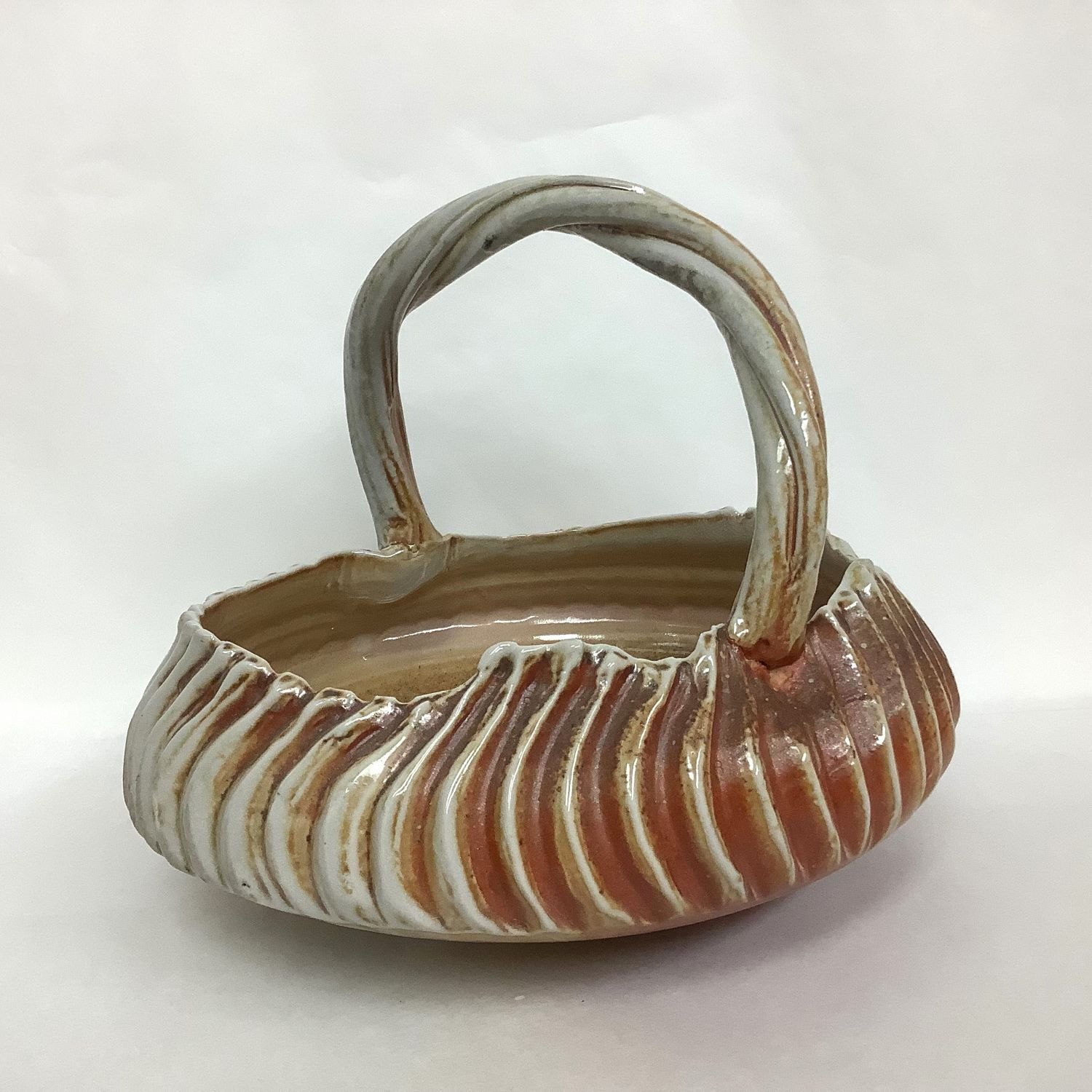
Serrated Wood-Fired Basket (24.29), porcelain, 8 inches (20 cm) high, $140 Cdn.
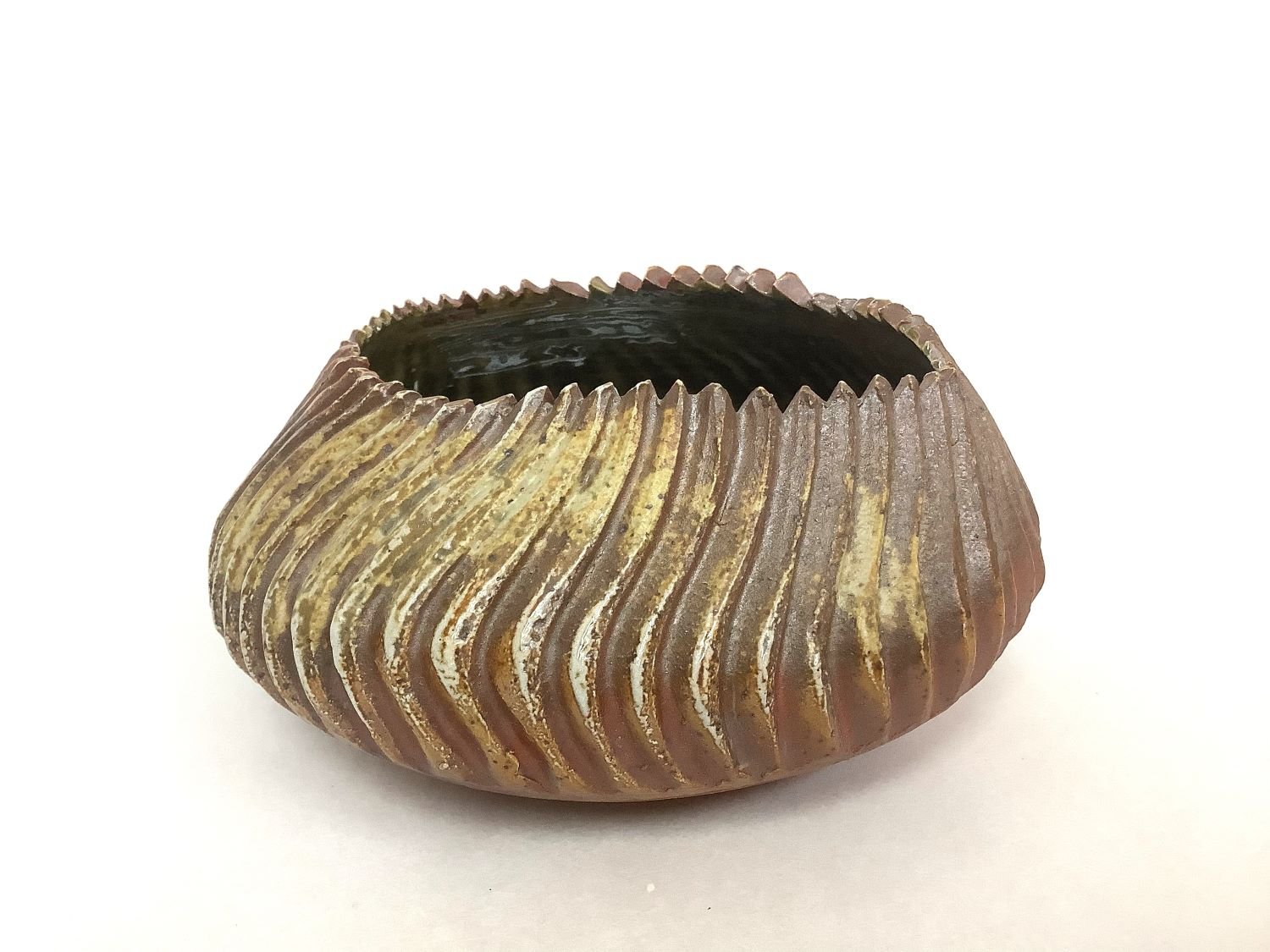
Serrated Pool Bowl (24.28), wood-fired porcelain with waterfall glaze interior, 4 x 8 x 7 inches (10 x 20 x 18 cm), $140 Cdn.
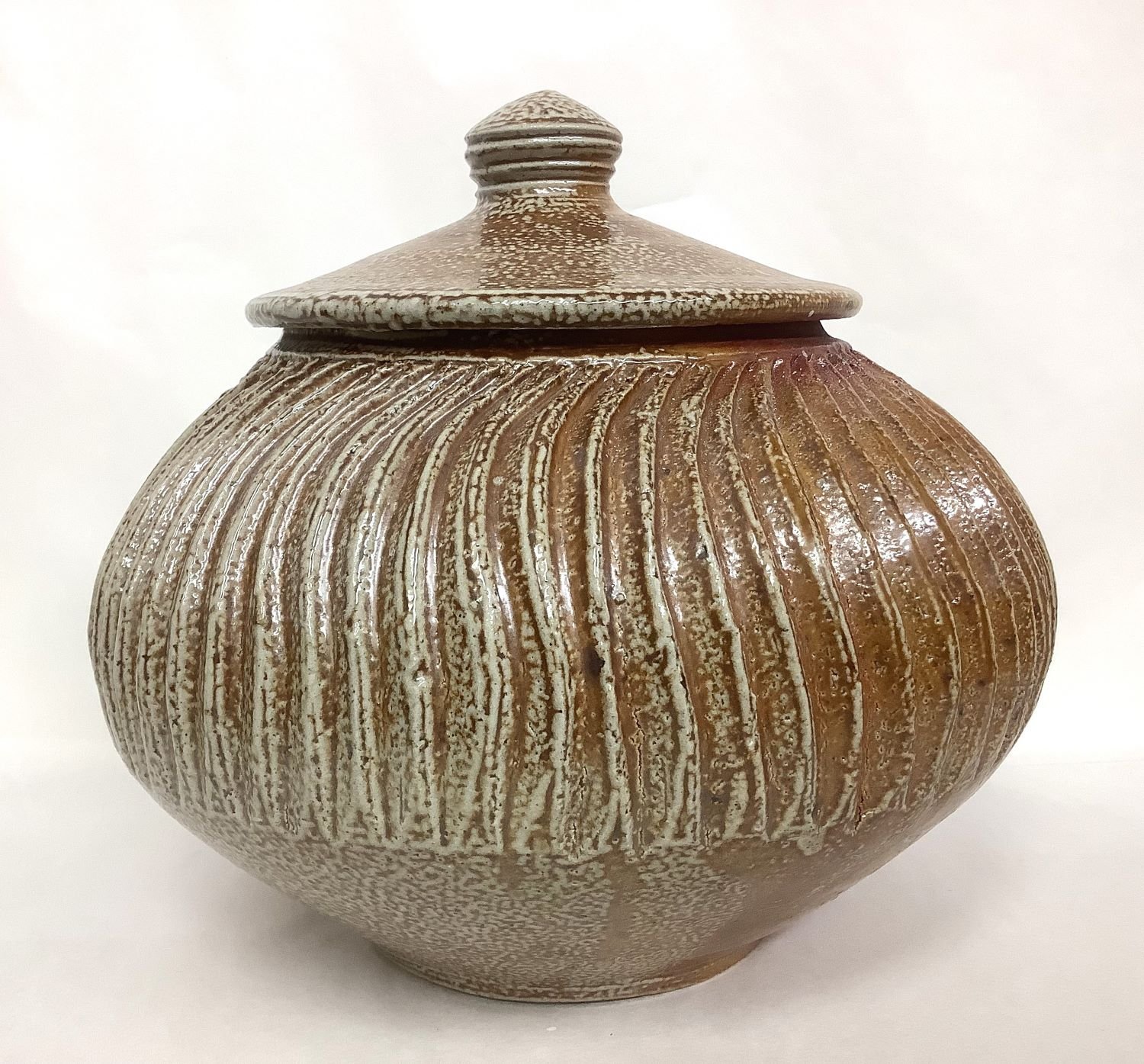
Larged Wood-fired Lidded Storage Jar (24.18), porcelain, 10 inches (25.5 cm) high, $260 Cdn.
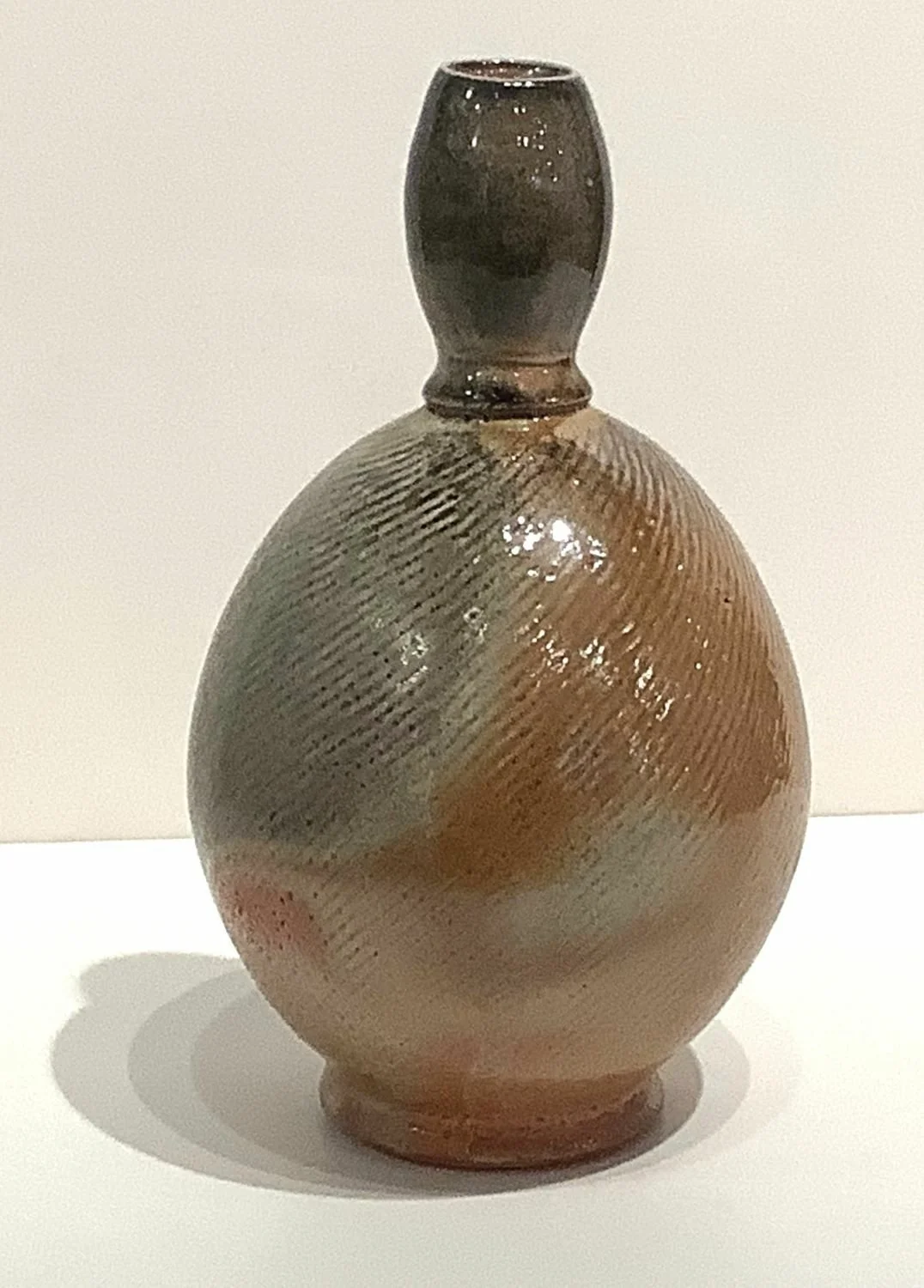
Shino Glazed Bud Vase (#24.11.46), 2024, stoneware, 8 x 4.75 x 4.75 inches (9.4 x 11.1 x 11.1 cm), $80 Cdn.
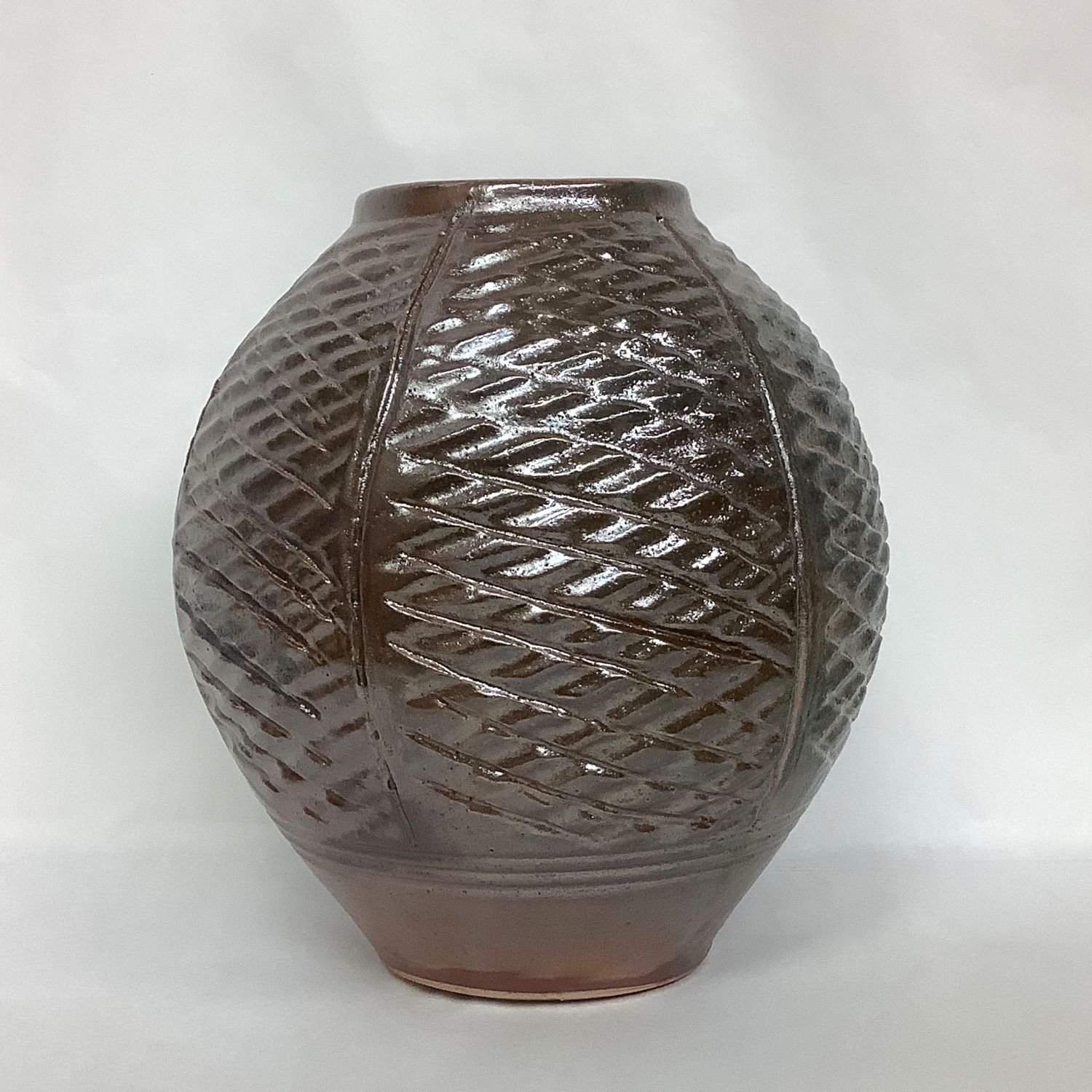
Shino Vase 24.15, porcelain, 9 inches (23 cm) high, $180 Cdn
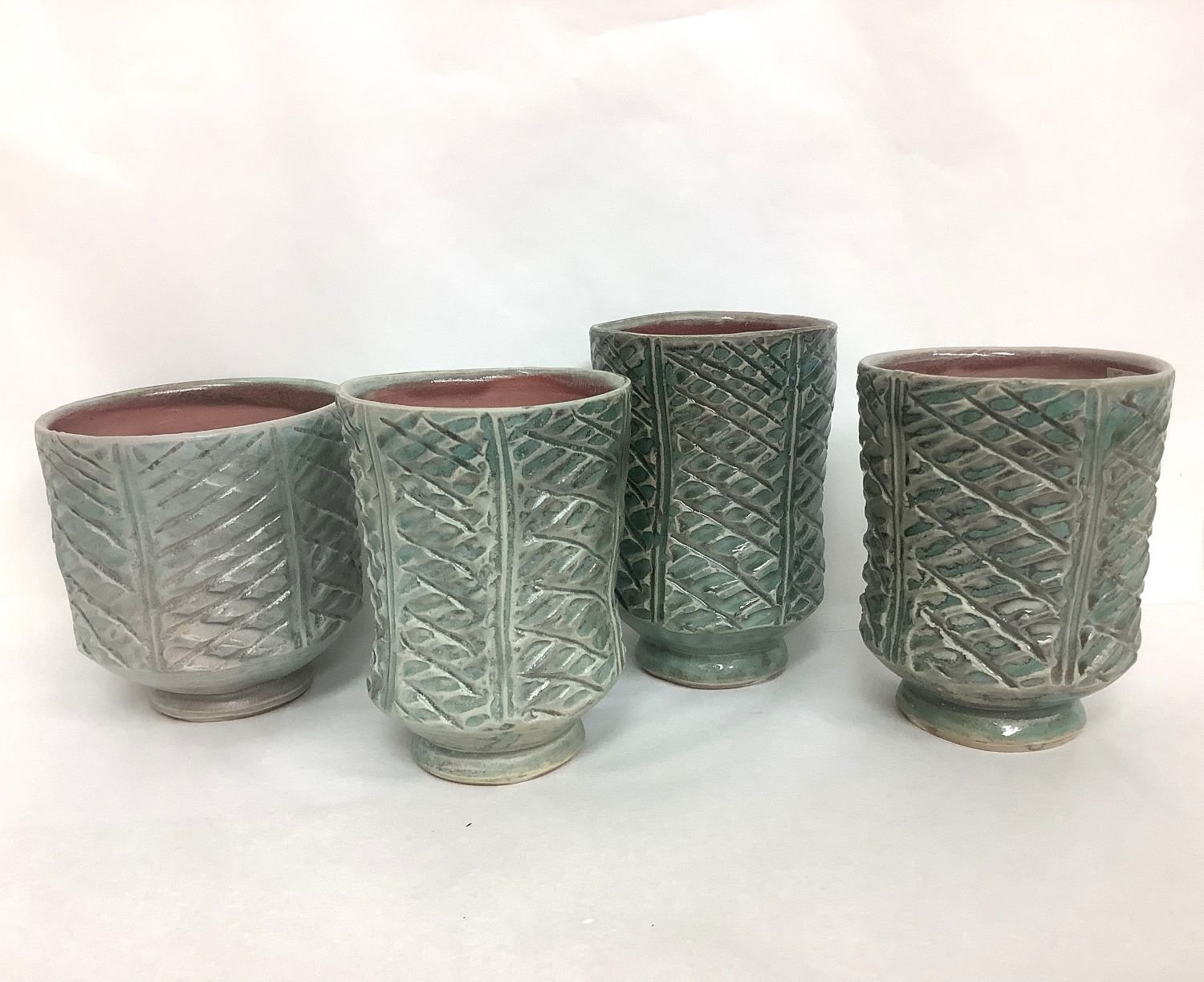
Copper Red / Celadon Teabowls (24.37, 38, 39), porcelain, average 4.5 inches (11.5 cm) high, $35 Cdn each (2 available).
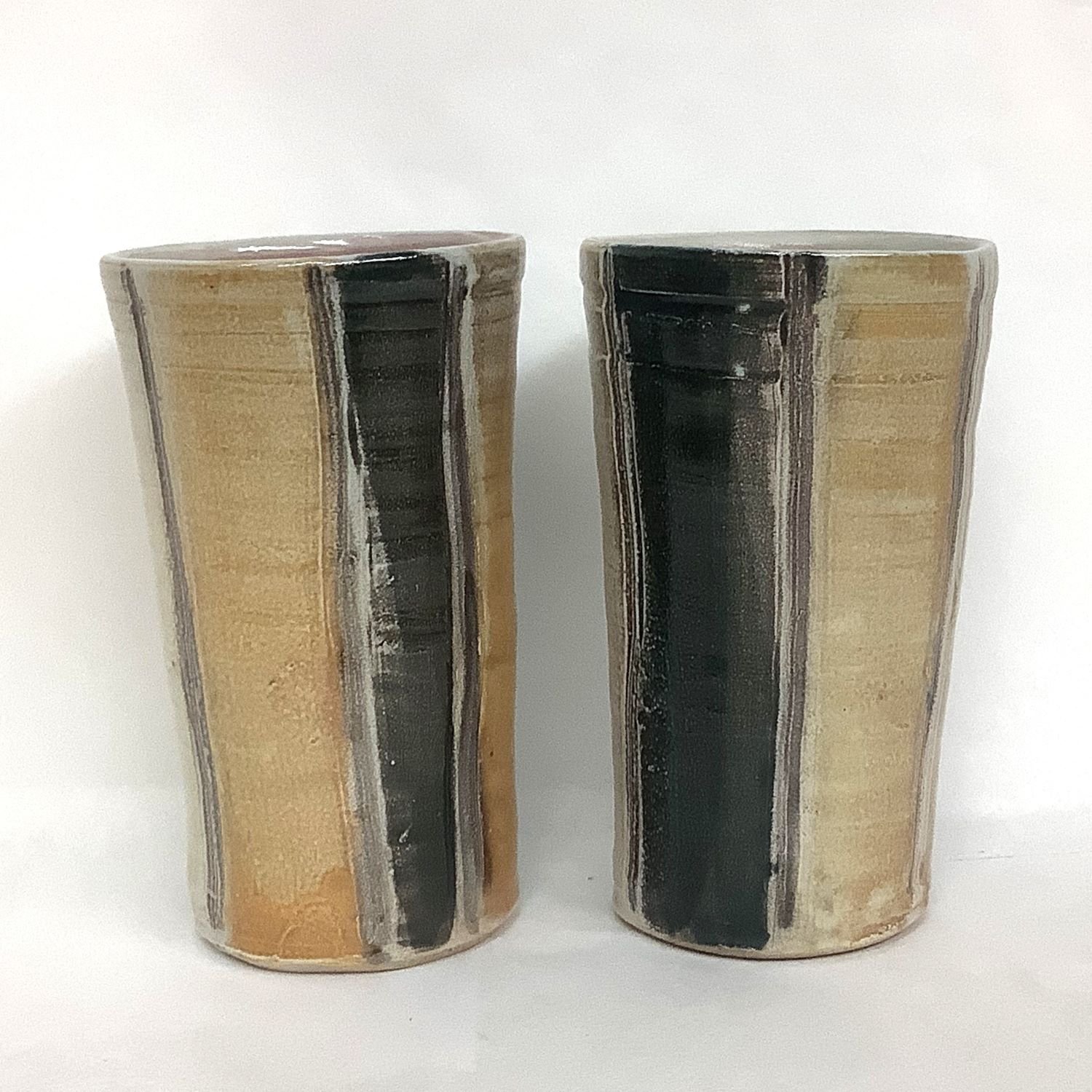
Furrowed Earth Tumblers (24.11-12), stoneware, average 5.25 inches (13.5 cm) high, $40 Cdn (one available).
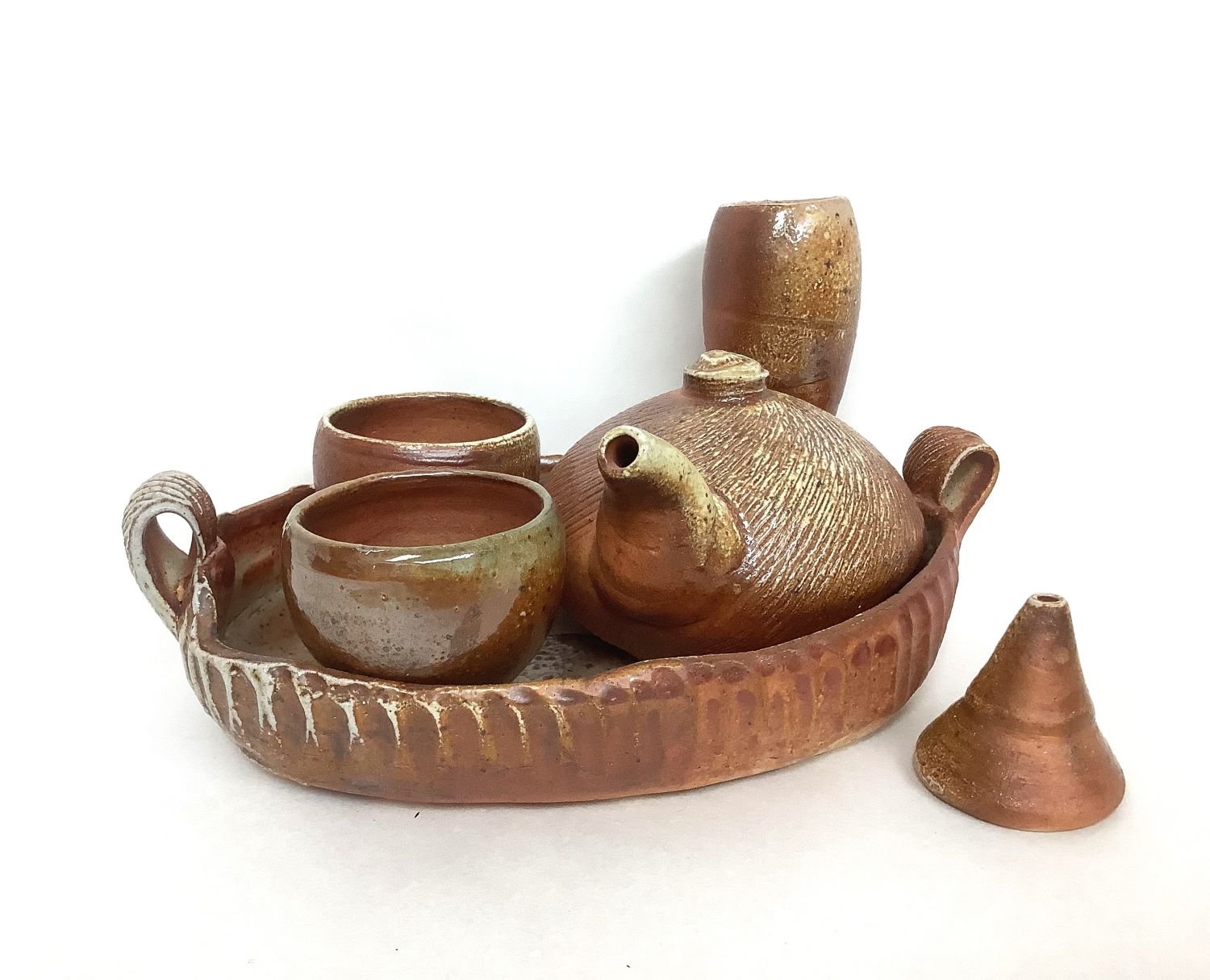
Woodfired Saki Set (five pieces), porcelain, overall 5 x 6 x 9 inches (12.5 x 15 x 23 cm), $130 Cdn.
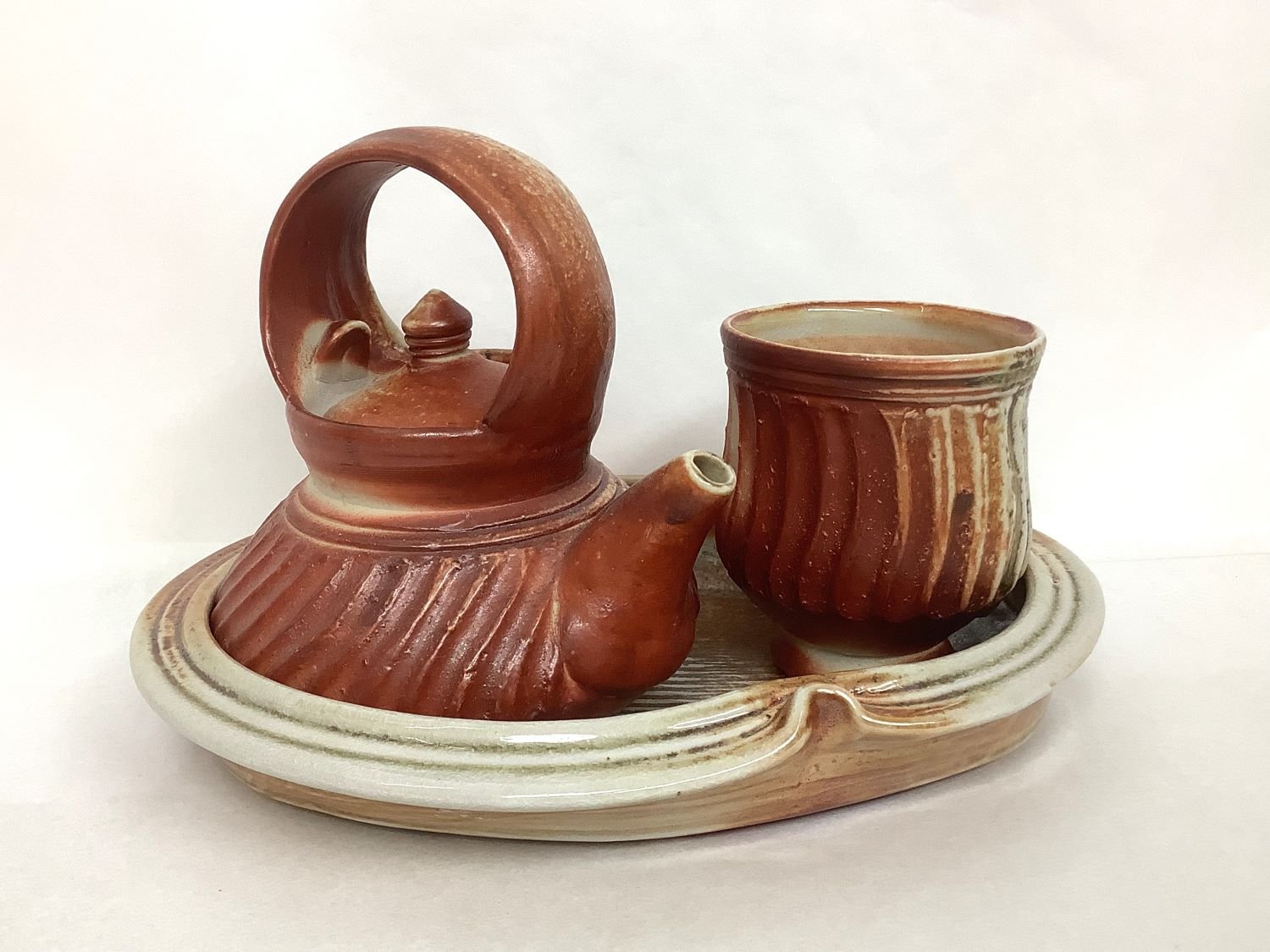
Wood-Fired Teaset (24.13), porcelain, overall 6 x 7 x 9.5 inches (15 x 17.5 x 24.5 cm), sold.
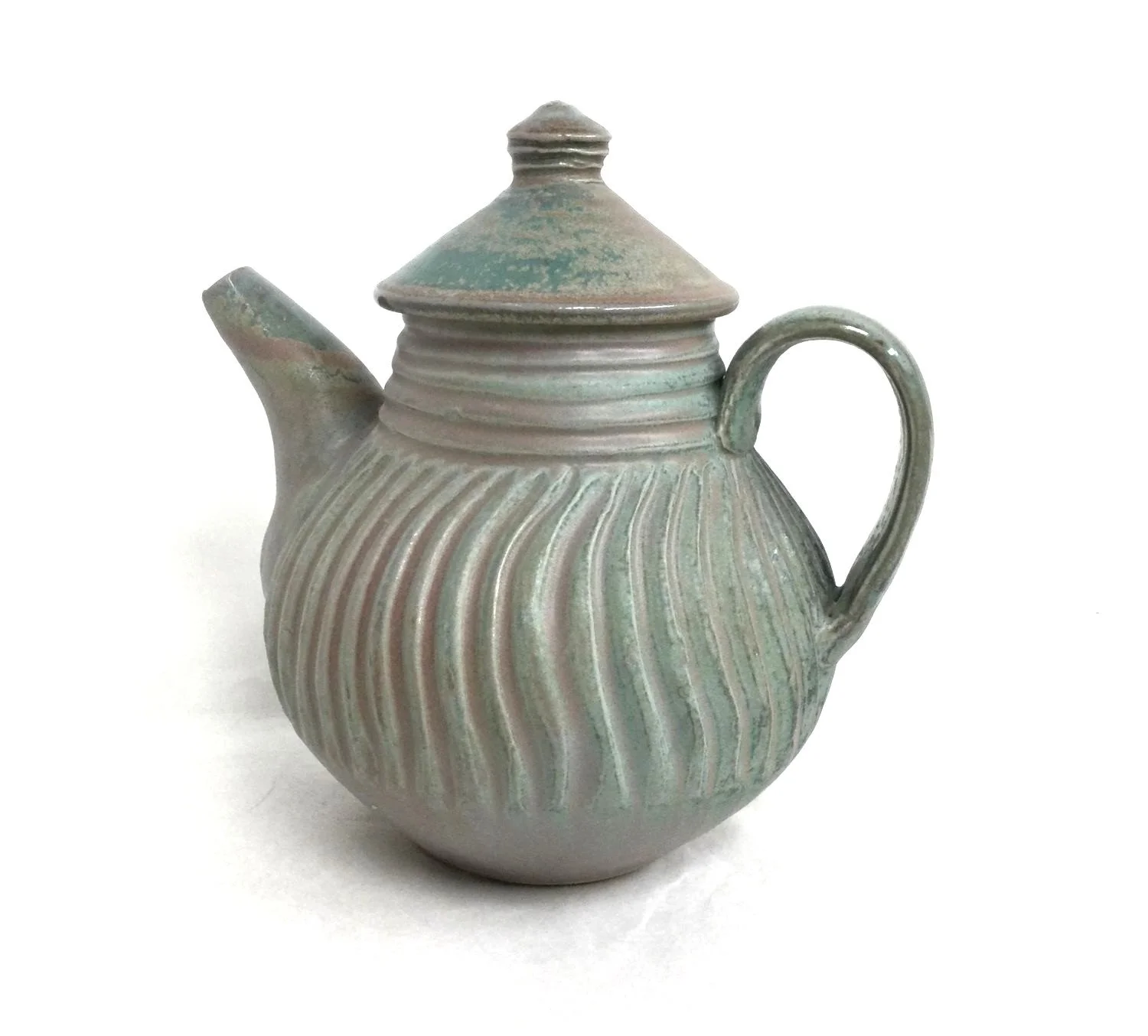
Teal To Pink Teapot (25.02.10), 2025, porcelain, 7.5 x 7.5 x 5.5 inches (19 x 19 x 14 cm) sold
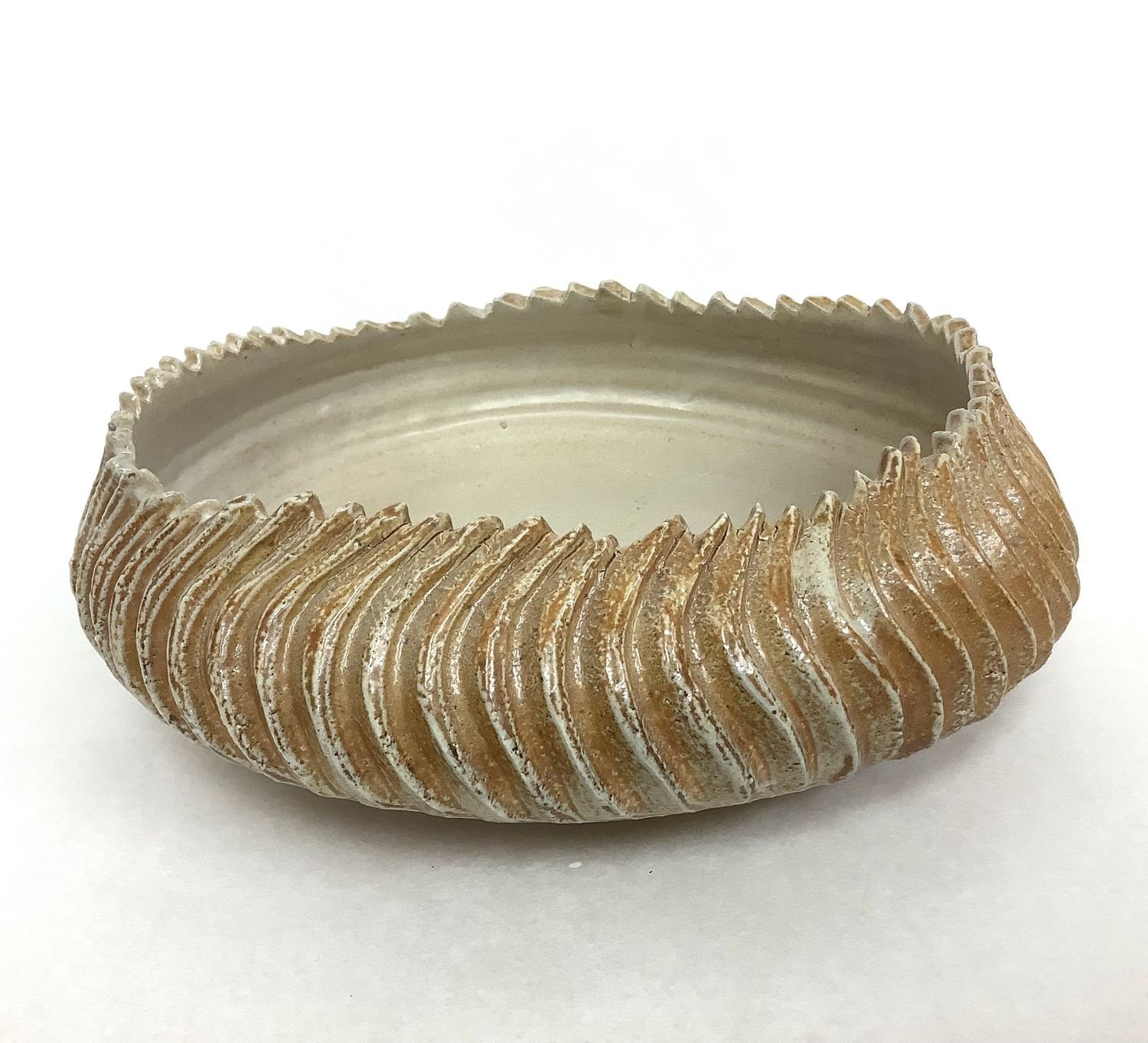
Serrated Bowl With Cream Interior (24.34), porcelain, 3.5 x 9 x 9 inches (9 x 23 x 23 cm), sold.
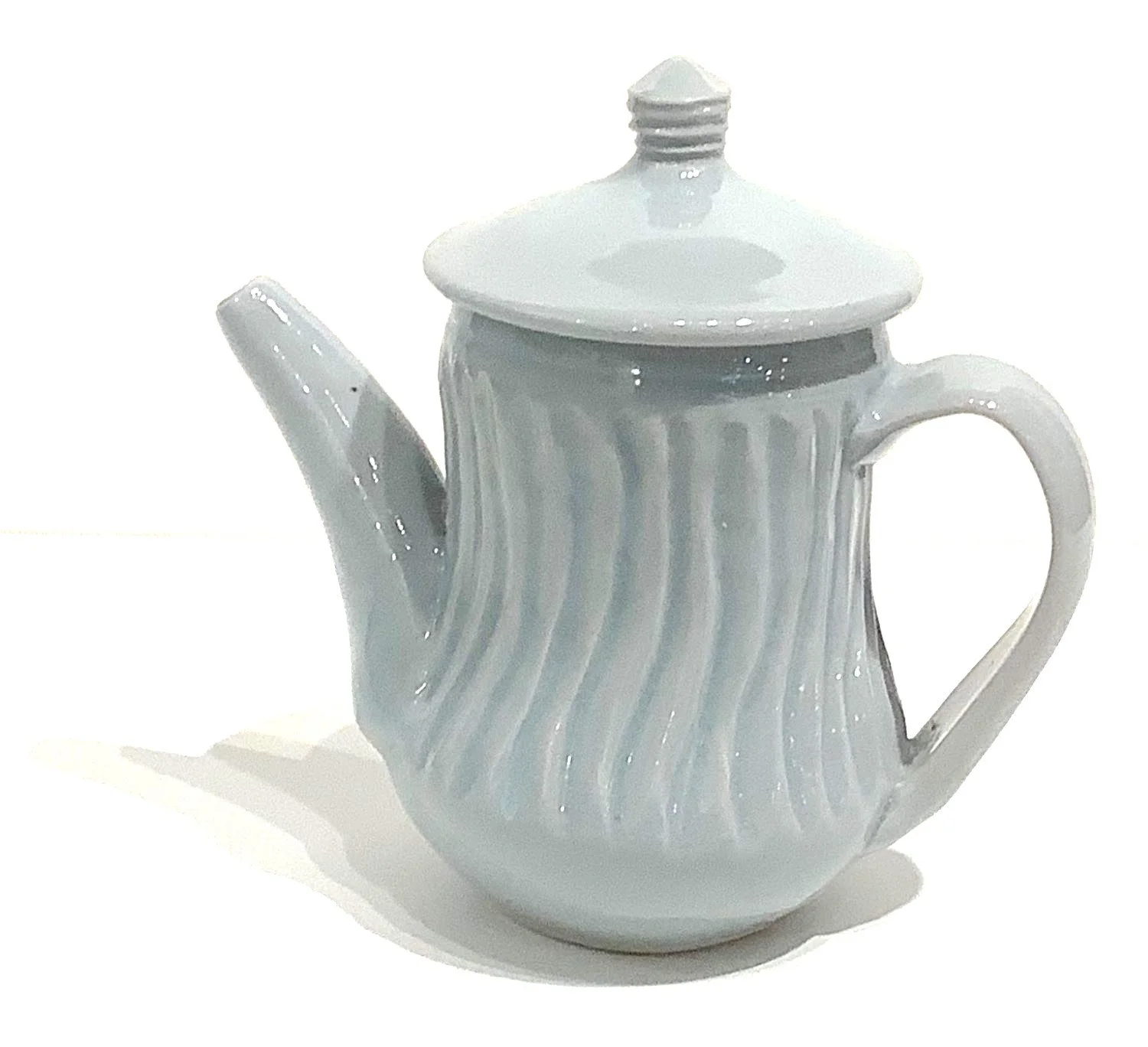
Celadon Teapot (#24.11.52), 2024, porcelain, 6.5 x 6.5 x 3.5 inches (16.5 x 16.5 x 9 cm), sold.
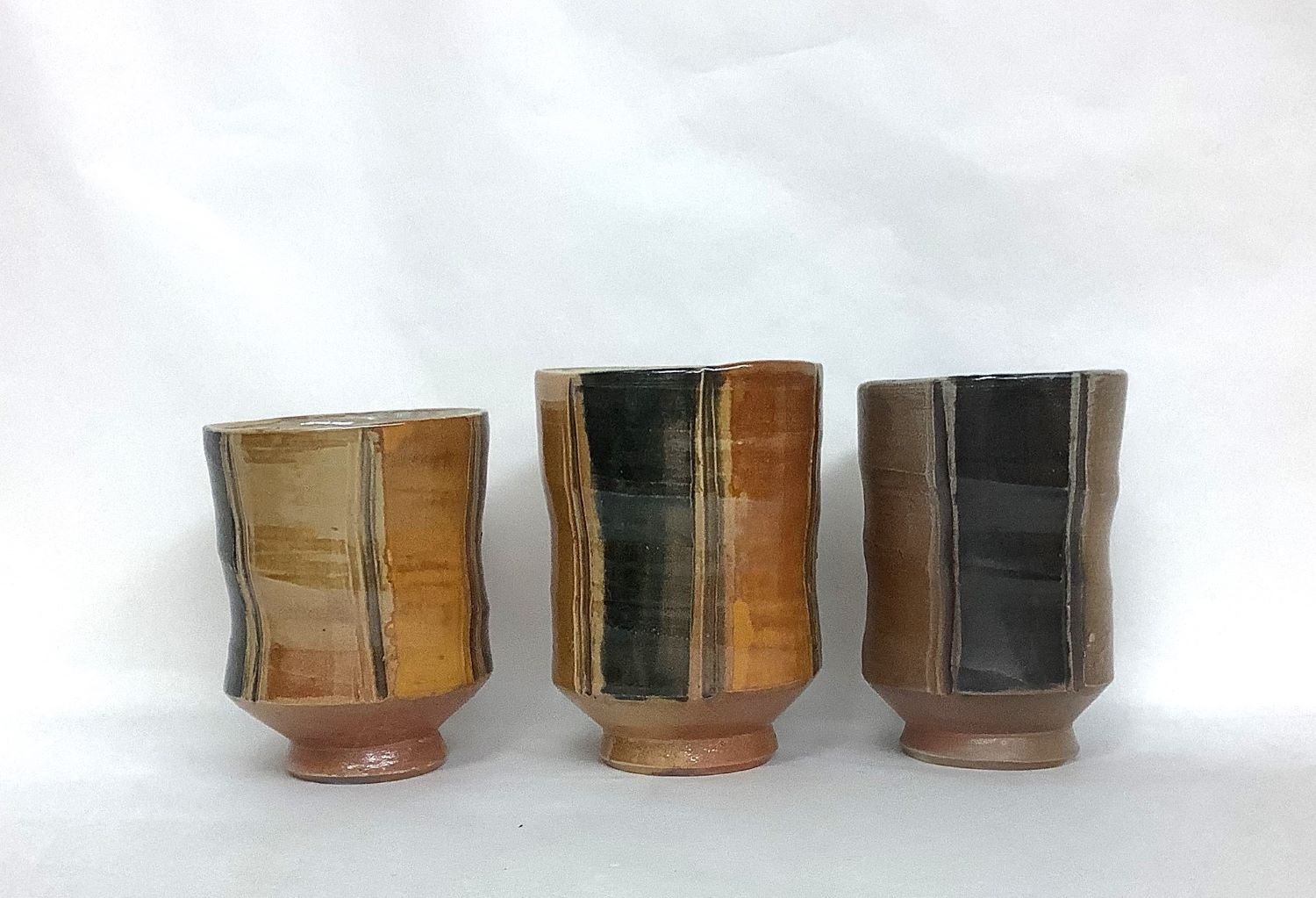
Furrowed Earth Teabowls (24.31,32,33), porcelain, 4.5 inches (11.5 cm) high, sold.
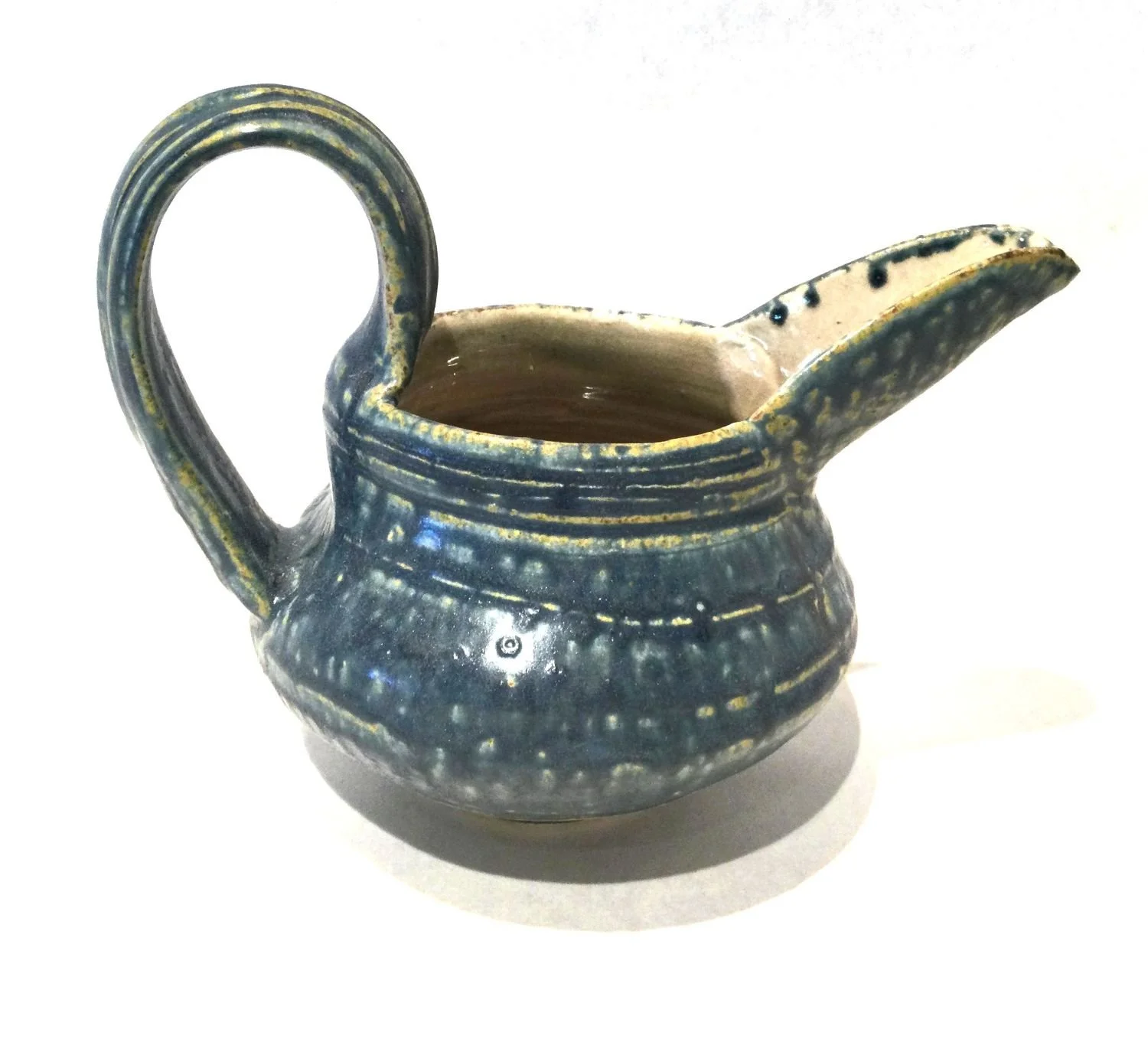
Reduction Gravy Boat (#25.7.6), 2025, reduction fired porcelain, 6.5 x 8 x 5.25 inches (16.5 x 20.5 x 13.5 cm) sold
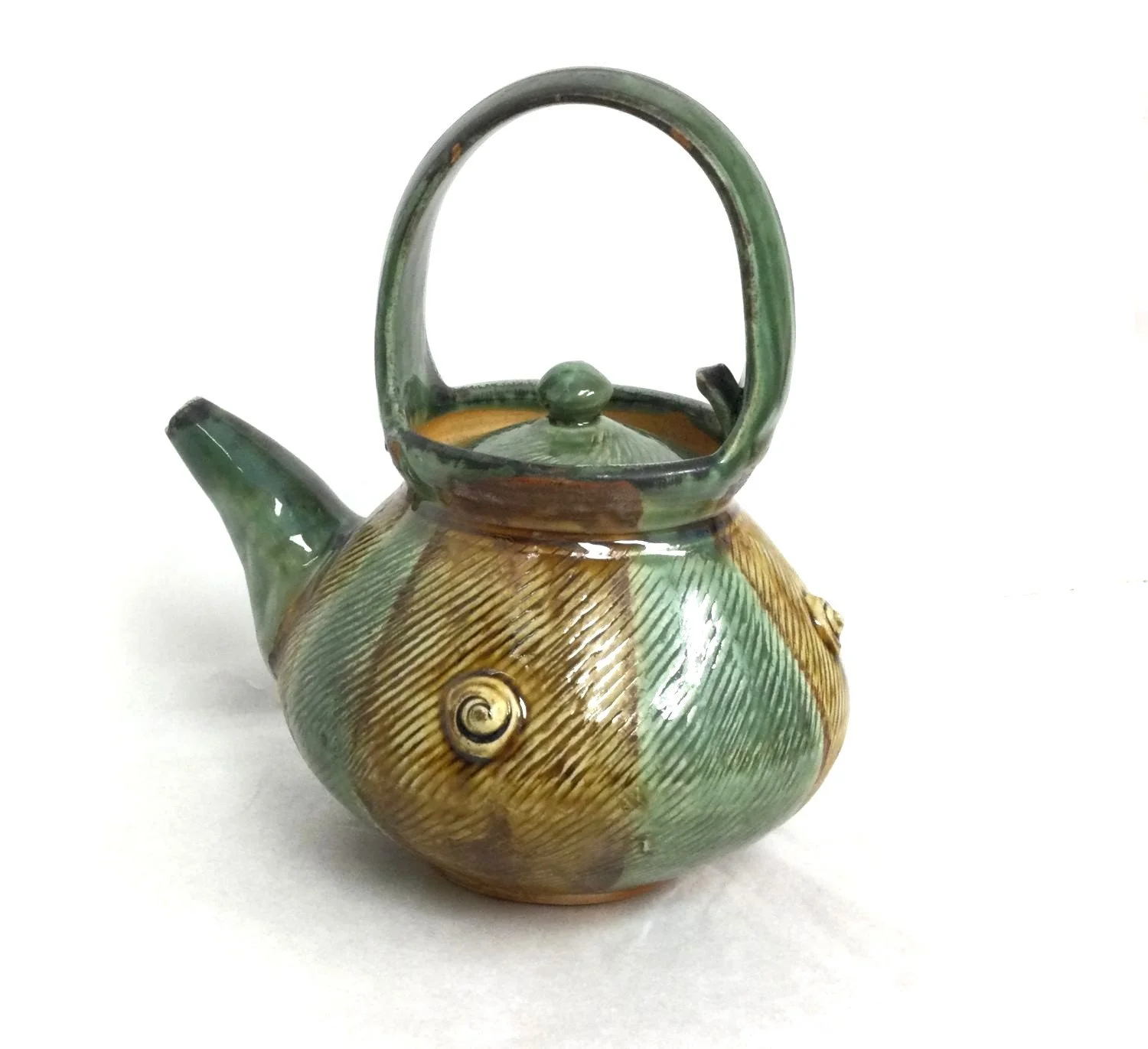
Prairie Fields Teapot (#25.2.9), 2025, porcelain, 8 x 7.25 x 5.5 inches (20.5 x 18.5 x 14 cm), sold.
..my work is influenced by looking at historical objects, understanding ceramic traditions and exploring contemporary ideas…
Jim Etzkorn creates stoneware, porcelain, and varied pottery forms that are both functional and decorative. His practice is deeply informed by wide-ranging influences drawn from ceramic history across cultures, alongside the classical Japanese ceramics encountered during his travels. Nature, historical traditions, and Japanese artistry profoundly shape his work, informing a philosophy centered on examining historical objects, understanding ceramic traditions, and exploring contemporary ideas. For example, during a pivotal 1987 journey to Japan, Etzkorn drew inspiration from tea ceremony cast iron kettles, employing bronze glazes stamped with rope to approximate ancient Japanese pottery techniques.
He approaches his art practice from a number of directions and explores the boundaries of form with a sense of whimsy, testing how far he can push a vessel's shape while still retaining its functionality. Sometimes asymmetrical, his pieces challenge conventional proportions without sacrificing their practical purpose.
Jim Etzkorn (born in Edmonton, Alberta) is a studio potter and educator whose practice spans over 45 years. A graduate of the Alberta College of Art + Design (1978), he furthered his training through residencies at the Banff Centre for the Arts (1979–1981), the Archie Bray Foundation in Helena, Montana (1982–1983), North Mount Pleasant Studio in Calgary (1986), and Medalta in Medicine Hat (2004). Since 1980, Etzkorn has taught across Western Canada at institutions including the University of Manitoba, Red Deer College, Alberta College of Art + Design, and the Kootenay School of the Arts. His work resides in public and private collections throughout Japan, Taiwan, Australia, Britain, Holland, Spain, and North America. Career highlights include a commissioned 2003 G8 Summit (Kananaskis) dinner set, a merit award at the Taiwan Invitational International Show, and solo exhibitions titled Soulstice, Sojourn of Fire, and Re-Orient in Edmonton, Calgary, and Vancouver.
Reduction Fired Work
Etzkorn's reduction-fired ceramics are fired in a natural gas kiln to 2300°F (1300°C). Reduction is achieved by controlling oxygen entering the kiln chamber—creating an atmosphere of incomplete combustion where the gas must find oxygen within the clay or glaze chemicals. A damper at the kiln's rear regulates oxygen levels, allowing precise atmospheric shifts. Just before glaze fusion, the kiln atmosphere is suddenly reduced to de-oxidize, then returned to oxidizing once safely fused. This technique dramatically transforms surface qualities: iron oxide becomes green or black depending on concentration; copper appears red when reduced rather than green in oxidation. In this series, the blue glazing, called "fake blue ash" results from the use of Alberta Slip—a clay, not a glaze—as well as various fluxes and colorants, in this case cobalt and iron. This reduction method, where the final colours, speckling, and textures depend entirely on kiln conditions, offers wonderful individualizing elements and details on the vessels.
His intention is to consider the impact of the blue colour and how it serves as a major expressive act—its realism or unrealism amplifying or altering the vessel's significance, proving that where intention leads, technique may follow.